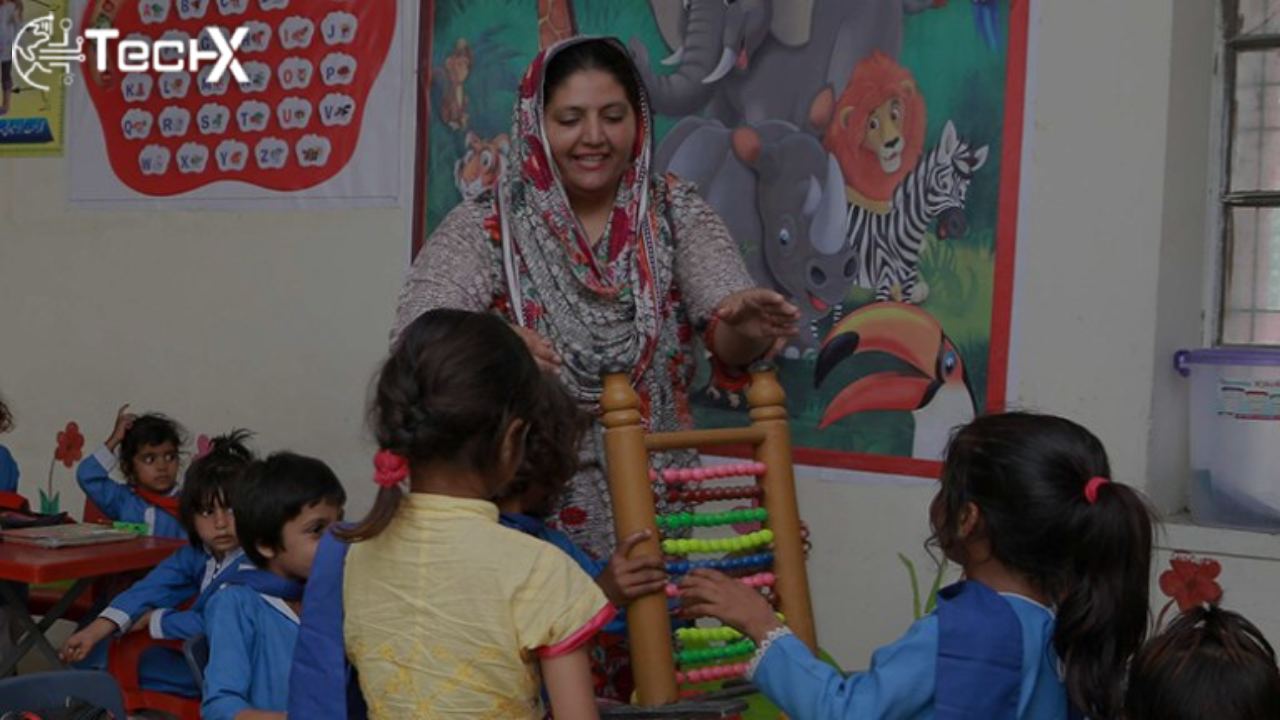
The School Education Department of Punjab has amended its transfer policy to support married female teachers. The new rules, announced on May 9, 2025, allow immediate post-marriage transfers to the spouse’s district. This replaces the previous restrictive system, offering greater flexibility. The change aims to reduce hardships faced by teachers due to family separation, promoting a better work-life balance.
Key Changes in the E-Transfer Policy 2024
Under the updated policy, married female teachers can apply for a transfer once during service. The spouse’s residence or workplace district is now a valid transfer reason. Additionally, such cases are now classified under “hardship,” acknowledging family reunification as a priority. This ensures faster approvals and reduces bureaucratic delays, making the process more teacher-friendly.
Year-Round Transfer Applications
Unlike before, transfers under this provision can now be submitted anytime, not just during specific rounds. This flexibility helps female teachers relocate without waiting for formal transfer windows. The policy ensures timely adjustments, minimizing disruptions to education and family life. Schools will benefit from more stable staffing as teachers settle into preferred locations sooner.
Also Read: KP Government Approves Rs. 1 Billion for Free Textbooks, School Bags in Merged Districts
Streamlined NOC Process for Inter-District Transfers
For transfers across divisions or districts, the policy mandates coordination between education offices. The working district must assist in obtaining a No Objection Certificate (NOC) from the receiving district. Clear procedures ensure transparency and efficiency, reducing processing times. This structured approach prevents unnecessary delays, helping teachers transition smoothly.
Prioritization of Hardship Cases
The policy ranks hardship categories to ensure fair transfers. Priority is given to divorced, widowed, or separated women, differently abled individuals, and those with medical conditions. Widowhood, single parenthood, and marriage-related transfers follow. This tiered system ensures the most vulnerable applicants receive timely assistance, promoting equity in teacher placements.
Preference Based on Distance from Home
When multiple applicants fall under the same hardship category, preference goes to those stationed farthest from home. This rule ensures teachers facing longer commutes or family separations get priority. By addressing geographical disparities, the policy fosters a more balanced and compassionate transfer system, benefiting both educators and students.
Conclusion
Punjab’s revised transfer policy marks a significant step toward gender-sensitive reforms in education. By easing relocation challenges for married female teachers, the government supports family stability and professional growth. This progressive move sets a precedent for other regions to follow, ensuring a more inclusive and supportive work environment for educators across the country.