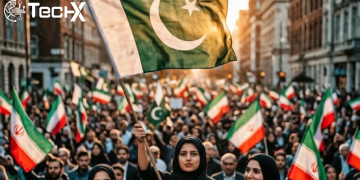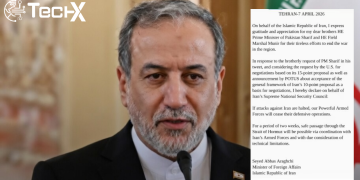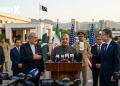
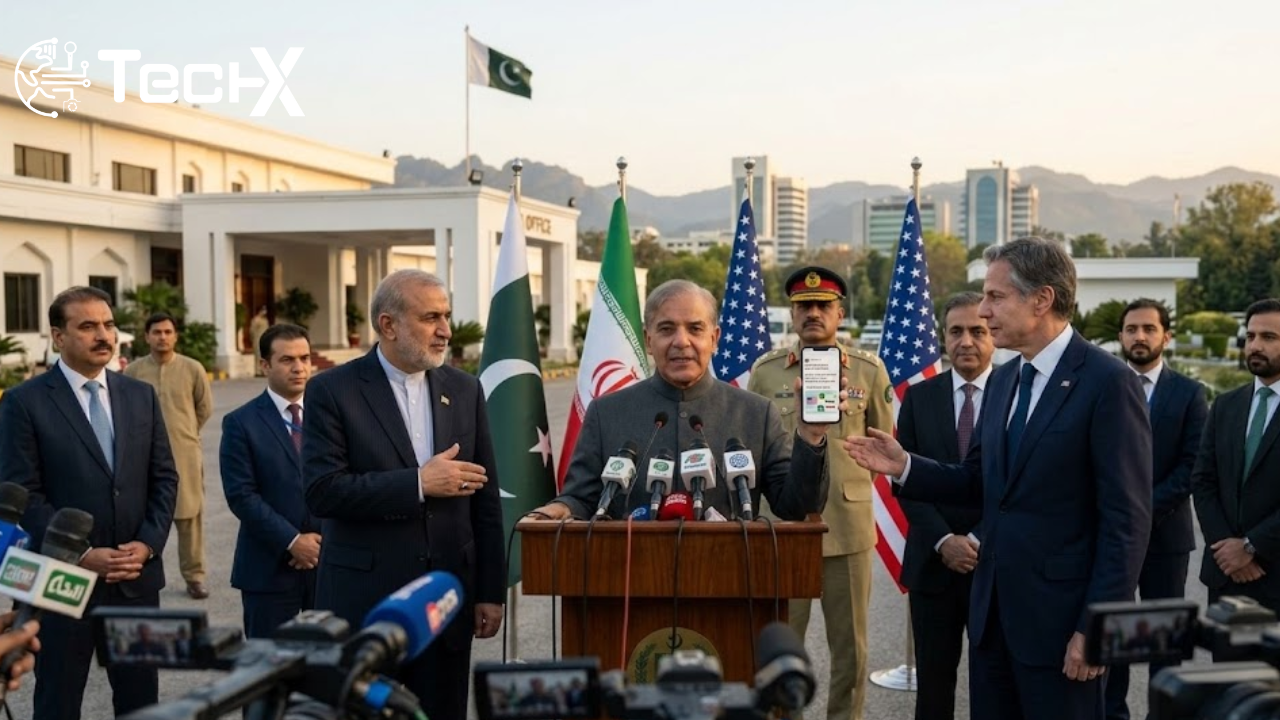
Following a two-week ceasefire between the United States and Iran, officials from both countries are scheduled to meet in Islamabad on April 10. The temporary halt in hostilities has created space for diplomatic discussions, with the aim of achieving a more stable and long-term resolution to regional tensions.
Pakistan Role as Mediator
Pakistan has actively supported the diplomatic process, offering to host the upcoming negotiations. Prime Minister Shehbaz Sharif extended a formal invitation to delegations from both the U.S. and Iran, reinforcing Pakistan’s role as a neutral facilitator for peace in the region.
Confirmation from PM Shehbaz Sharif
Prime Minister Shehbaz Sharif confirmed that both sides have accepted the invitation to Islamabad on Friday, April 10, 2026. This step is part of Pakistan’s broader effort to convert the temporary ceasefire into meaningful talks.
Key Focus Areas of the Talks
The discussions are expected to address several critical issues, including the Strait of Hormuz, sanctions concerns, and regional security. Both parties are anticipated to present their positions while attempting to identify areas where compromise is possible.
Use of the Ceasefire Period
The negotiations will take advantage of the 14-day ceasefire to explore solutions that could lead to a longer-term truce. Iranian officials have noted that trust remains a challenge, emphasizing the importance of clear guarantees during these talks.
Pakistan Peace Initiative
Earlier, Pakistan proposed a structured ceasefire framework, outlining an immediate halt to military actions followed by negotiations. This initiative, now known as the “Islamabad Proposal,” laid the groundwork for the upcoming meetings.
Outlook and Challenges
While the Islamabad talks present a significant opportunity for diplomacy, experts highlight that major differences still exist between U.S. and Iranian positions. The outcome will depend on both sides’ willingness to compromise and the broader regional and global context.