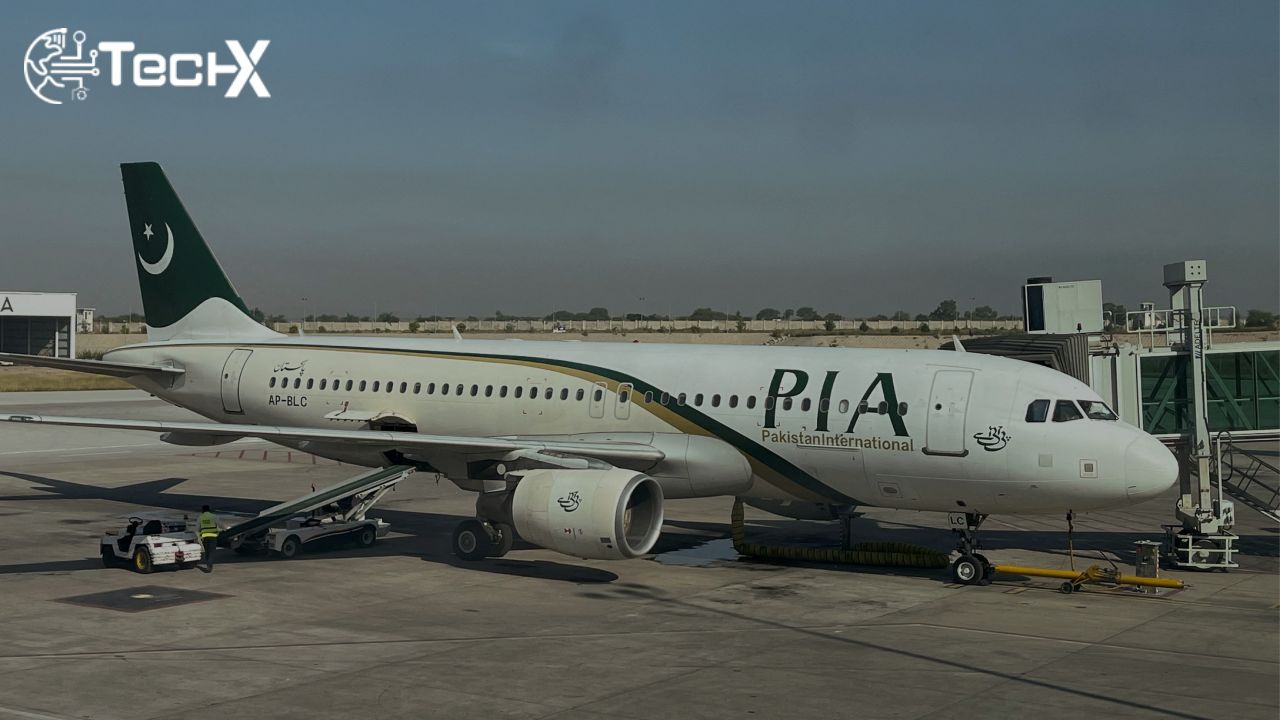
Pakistan International Airlines (PIA) is embarking on a new chapter in its journey, announcing plans to expand flight operations to fresh international destinations. The move comes as part of the airline’s broader restructuring efforts, aimed at strengthening its presence in global aviation. The National Assembly was informed on Monday that the airline’s renewed strategy involves connecting Pakistan to more hubs across the Middle East and Asia.
Strong Financial Recovery Fuels Growth
The announcement was bolstered by impressive financial results, showcasing a robust turnaround for the national flag carrier. Parliamentary Secretary for Defense Zeb Jaffar revealed that PIA posted an operating profit of Rs. 9.3 billion, alongside a net profit of Rs. 26 billion during the last fiscal year. These encouraging figures have provided PIA with the financial stability needed to expand its international reach.
Focus on Middle Eastern Connectivity
One of the prime highlights of the expansion plan is PIA’s renewed focus on the Middle East. With millions of Pakistani expatriates working and residing in Gulf countries, these routes remain highly profitable and vital. By increasing flight frequencies and introducing new connections, PIA aims to strengthen ties with regional hubs, offering travelers greater convenience, competitive pricing, and improved access to employment and business opportunities.
Also Read: Sindh to Launch Women-Only Pink Taxi Scheme in December
New Routes to Kuala Lumpur, Baku, and Istanbul
Beyond the Gulf, PIA is set to open new flight routes to Kuala Lumpur, Baku, and Istanbul. These destinations were carefully chosen to meet rising demand from both leisure and business travelers. Kuala Lumpur promises connectivity to Southeast Asia, Baku offers a gateway to Central Asia, while Istanbul acts as a major transit point between Europe and Asia, further enhancing PIA’s international portfolio.
Impact on Passengers and Trade Links
Expanding PIA’s flight map is expected to greatly benefit passengers, who will enjoy more travel options without relying on foreign carriers. At the same time, the move will strengthen Pakistan’s trade and tourism ties with emerging markets. Enhanced connectivity with strategic destinations is also likely to encourage foreign investment, cultural exchanges, and economic cooperation, positioning Pakistan more prominently on the global stage.
Women’s Growing Role in Pakistan Army
During the same National Assembly session, Zeb Jaffar also shed light on the progress of women in the Pakistan Army. She highlighted that 80% of fields within the armed forces are now open to female recruits. Presently, more than 5,000 women serve across various branches, while nearly 700 have been commissioned during the last three years, marking a significant milestone in gender inclusion.
Opportunities and Remaining Challenges for Women
Although many avenues are now accessible, certain combat-related fields remain restricted due to extreme physical endurance and hostile conditions. Despite these limitations, the military has taken significant strides to ensure equal opportunities. Female officers are supported by a dedicated career management policy that provides training, skill development, and pathways for advancement, helping women achieve their potential while serving the nation.
A Future of Growth and Inclusion
PIA’s expansion into new international destinations symbolizes Pakistan’s drive toward economic growth, modernization, and global integration. Simultaneously, the increased participation of women in the armed forces underscores the nation’s commitment to inclusivity and equal opportunity. Together, these developments portray a picture of progress—one where the country’s institutions not only recover and expand but also embrace reforms that reflect the spirit of a changing world.