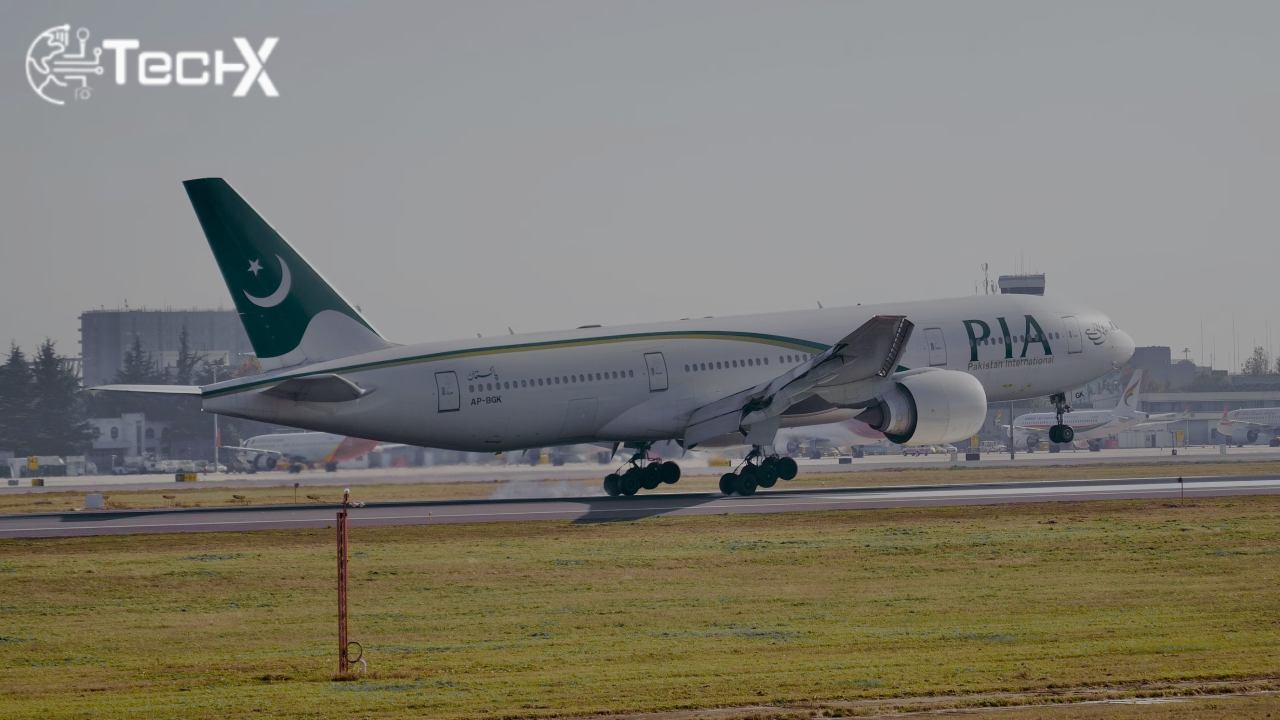
Pakistan International Airlines (PIA) will soon operate direct flights to Central Asian Country Uzbekistan, following Prime Minister Shehbaz Sharif’s directives. This initiative aims to strengthen tourism and trade between Pakistan and Uzbekistan. Private airlines are also expected to participate, enhancing connectivity. The move reflects Pakistan’s broader strategy to foster regional cooperation and economic growth through improved air travel links.
Central Asian Countries Overview
| Country | Capital | Population (2023) | Area (km²) | Official Language | Currency | Major Exports |
|---|---|---|---|---|---|---|
| Kazakhstan | Nur-Sultan | 19.6 million | 2,724,900 | Kazakh, Russian | Tenge (KZT) | Oil, gas, wheat |
| Uzbekistan | Tashkent | 36.6 million | 447,400 | Uzbek | Som (UZS) | Cotton, gold, gas |
| Turkmenistan | Ashgabat | 6.3 million | 488,100 | Turkmen | Manat (TMT) | Gas, cotton, oil |
| Kyrgyzstan | Bishkek | 7.0 million | 199,951 | Kyrgyz, Russian | Som (KGS) | Gold, cotton, tobacco |
| Tajikistan | Dushanbe | 10.1 million | 143,100 | Tajik | Somoni (TJS) | Aluminum, cotton, electricity |
High-Level Meeting Discusses Bilateral Ties
The announcement followed a meeting between SAPM Haroon Akhtar Khan and Uzbekistan’s Tourism Minister, Umid Shadiev. Uzbek Ambassador Alisher Tukhtaev also attended. Discussions centered on boosting tourism and cultural exchange. Both nations expressed commitment to deepening ties, recognizing shared historical and economic interests. The meeting underscored the importance of government-led efforts in facilitating stronger bilateral relations.
Strengthening Tourism and Cultural Exchange
Haroon Akhtar Khan emphasized Pakistan’s readiness to collaborate with Uzbekistan in tourism and heritage preservation. He highlighted PM Sharif’s focus on enhancing people-to-people connections. Khan stressed Central Asia’s untapped economic and cultural potential, urging closer engagement. The initiative aligns with Pakistan’s vision to position itself as a key player in regional tourism, leveraging its rich cultural and historical assets.
Uzbekistan Welcomes Enhanced Cooperation
Minister Shadiev welcomed the growing partnership, noting multiple signed MoUs. He emphasized mutual support for citizens through joint initiatives. The Uzbek delegation expressed optimism about increased tourism and trade. Both sides agreed on the need for sustained collaboration to maximize benefits. The direct flights will facilitate easier travel, encouraging business and cultural exchanges between the two nations.
Also Read: PIA Announces Starting Date for Hajj Flights
Economic and Strategic Benefits
The new flights are expected to boost trade, particularly in textiles, agriculture, and handicrafts. Enhanced air connectivity will reduce travel time and costs for businesses. Tourism revenues are also projected to rise, benefiting both economies. Strategically, the move strengthens Pakistan’s foothold in Central Asia, opening doors for further regional partnerships. The initiative reflects a proactive approach to economic diplomacy.
PM Sharif’s Vision for Regional Connectivity
Prime Minister Shehbaz Sharif has prioritized regional connectivity as part of his economic agenda. The Uzbekistan flights follow earlier efforts to expand PIA’s network. The government aims to position Pakistan as a transit hub, linking South Asia with Central Asia. This vision includes infrastructure development and policy reforms to attract foreign investment and tourism.
Private Sector’s Role in Aviation Growth
Private airlines are encouraged to join PIA in operating flights to Uzbekistan. Increased competition could improve service quality and affordability. The government is facilitating regulatory support to ensure smooth operations. Private sector involvement is vital for sustainable aviation growth, fostering innovation and efficiency in the industry.
Cultural Heritage Preservation Efforts
Both nations discussed preserving shared cultural heritage, including historical sites and traditions. Joint initiatives may include heritage tours and academic exchanges. Such efforts will promote mutual understanding and appreciation. Cultural diplomacy is seen as a key tool in strengthening long-term bilateral relations.
Future Prospects for Pakistan-Uzbekistan Relations
The direct flights mark a new chapter in Pakistan-Uzbekistan relations. Future collaborations may include trade agreements, educational exchanges, and joint ventures. Both countries are committed to exploring untapped opportunities. The aviation link is expected to catalyze broader economic and cultural cooperation, benefiting millions.
Conclusion
PIA’s upcoming flights to Uzbekistan signify a major step in regional connectivity. The initiative promises economic, cultural, and strategic advantages for both nations. With strong government backing and private sector participation, the project is set to transform bilateral ties. As Pakistan expands its aviation footprint, Central Asia emerges as a key partner in shared growth and prosperity.