Internet users across Pakistan are facing persistent slow browsing speeds due to a fault in an international submarine cable, specifically the AAE-1 near Qatar. This disruption impacts a significant portion of the country’s internet traffic, affecting daily activities and business operations. The Ministry of Information Technology and Telecommunication (MoITT) and the Pakistan Telecommunication Authority (PTA) have acknowledged the issue and are actively working on solutions.
Immediate Impact on Users
The fault in the submarine cable has directly impacted approximately 1,000 gigabytes per second of data traffic, a significant volume that translates into noticeable slowdowns for users across the nation. This disruption affects various services, including streaming, browsing, and critical communication platforms, causing frustration and hindering productivity among the population.
Government and Authority Response
In response to the crisis, the IT Minister, Shaza Fatima Khawaja, emphasized that efforts are currently focused on rerouting the affected traffic. Already, 830 gigabytes per second have been successfully shifted to alternative routes to alleviate some of the issues. However, full restoration of services depends on the repair of the cable fault, which is complicated by its underwater location.
Also Read: Vpn Links Caused Disruption to Pakistan’s Internet, Reported PTA
Technical Challenges and Repair Efforts
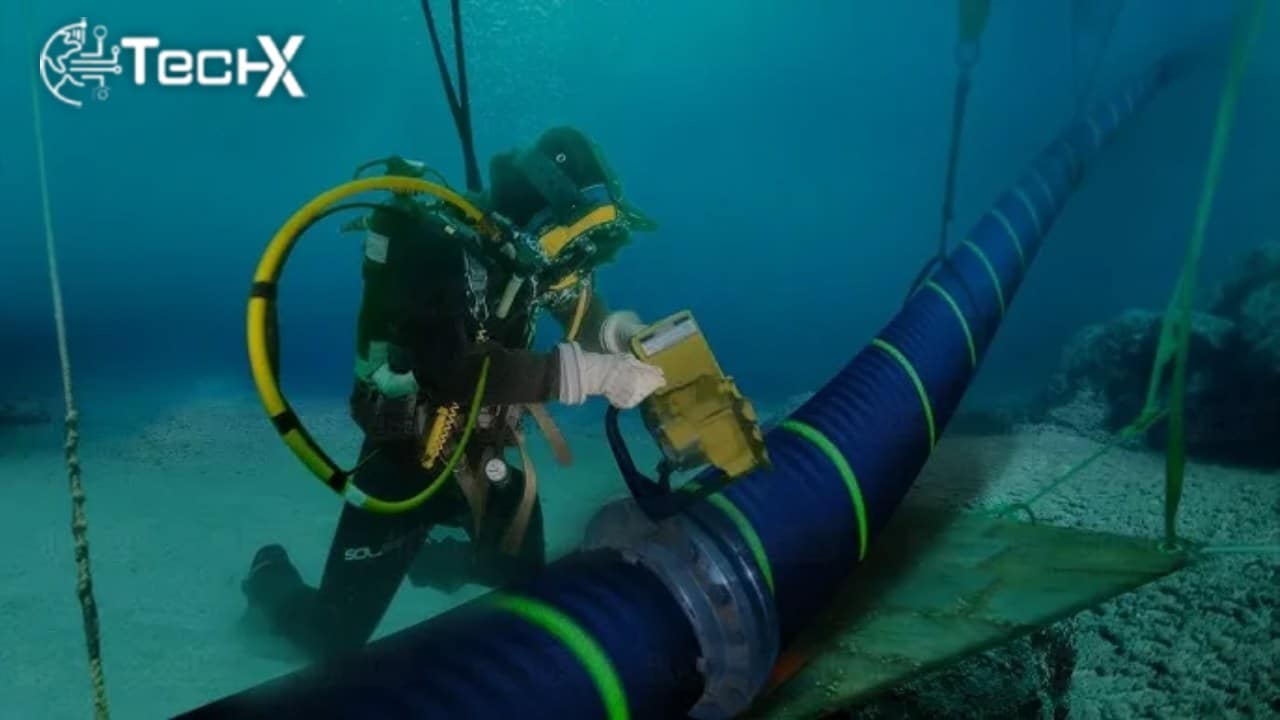
The submarine cable AAE-1, which lies near Qatar, is one of seven crucial cables linking Pakistan to the global internet infrastructure. Repairing such cables is a complex, time-intensive process that involves deploying specialized ships to locate and fix the break. The unique challenges of undersea repairs make timelines difficult to predict, adding to the uncertainty experienced by users.
Economic and Social Ramifications
The internet slowdown has broader economic and social ramifications. Businesses relying on cloud services and online platforms are experiencing disruptions, potentially leading to significant financial losses. Furthermore, the slowdown affects educational institutions that depend on internet access for learning management systems and online resources.
Mitigation Strategies and User Advice
As repair efforts continue, authorities advise users to adjust their internet usage patterns to mitigate the impact of the slowdown. Reducing streaming quality, avoiding large downloads during peak hours, and utilizing local caches for frequently accessed data can help improve individual browsing experiences.
Conclusion
The ongoing internet slowdown in Pakistan due to the submarine cable fault poses a significant challenge not only for individual users but also for the broader economic and social landscape. The government and relevant authorities are prioritizing the repair of the AAE-1 cable and rerouting traffic to minimize disruptions. However, this incident underscores the critical need for strengthening the country’s internet infrastructure to ensure stability and reliability in the face of such unforeseen events.