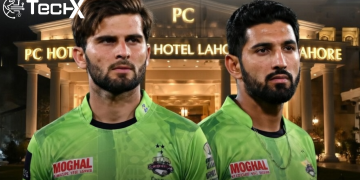
The Pakistan Cricket Board (PCB) has recently issued a firm warning to all centrally contracted players over posting on social media platforms without prior approval from the board’s media department. According to reports, the advisory highlights that any informal or unapproved social media activity could amount to a breach of the player’s central contract and the board’s specific social media policy. Officials have made it clear that this directive applies to all players covered under central contracts, as well as their managers and support personnel.
Naseem Shah Controversy and Broad Backlash
The board’s strict advisory follows a high profile incident involving fast bowler Naseem Shah, who was fined Rs20 million for posting content online that was deemed to violate multiple clauses of his central contract and the PCB’s social media guidelines. The controversial post, later deleted, appeared to reflect on a political figure, which the PCB’s policy explicitly warns against. Naseem’s post was widely discussed after the opening ceremony of the Pakistan Super League (PSL) 11, where Punjab Chief Minister Maryam Nawaz attended as a guest. Critics argued that the social media comment could be interpreted as criticizing her presence, thus drawing ire and immediate action from the board.
Contract Clauses and Policy Expectations
The PCB’s central contracts include clauses that address professional conduct, public behaviour and use of digital platforms. Players, as representatives of the national team and the board, are expected to maintain a certain standard of communication that reflects well on the sport and the organization. What this effectively means is that any player cannot post content freely if that content falls under sensitive topics such as politics, religion, or issues that could create controversy, without official approval. The board says such discipline is essential to protect the integrity and public image of Pakistan cricket.
Consequences for Breach, Fines and Blacklisting
The PCB has warned that future violations could result in significant penalties, including fines starting from Rs10 million for posting unapproved content. Additionally, repeated or serious breaches could lead to legal or disciplinary actions, suspension, or even termination of central contracts, depending on the severity. In the case of Naseem Shah, the board also noted that his social media adviser has been terminated and will be blacklisted from working with any PCB affiliated players in the future, a clear signal that the board is tightening control over players’ digital communications.
PCB Efforts to Maintain Professional Standards
PCB officials stress that this warning is not aimed at limiting personal expression, but rather at ensuring compliance with contractual obligations and safeguarding the reputation of Pakistan cricket. In a sport where players are high profile public figures, the board believes that unchecked social media use could lead to reputational risks and distractions. By reminding players about these guidelines now, the PCB hopes to prevent similar incidents from occurring throughout the remaining PSL season and beyond.
Reactions from Players and the Cricket Community
While no official statements have been made by most players in response to the warning, some inside cricket circles suggest that this move is aimed at professionalising communications and avoiding politically sensitive controversies. Others, however, argue that tighter controls may hamper players freedom of speech and create unnecessary pressure for how they manage their personal brands. The PCB’s stance is clear, any future breach of these directives will be dealt with strictly, reinforcing the importance of oversight over players public expressions and digital conduct.
Looking Ahead Broader Implications for Pakistan Cricket
This development highlights a broader shift within the PCB toward stricter behavioural governance for players, especially given how quickly social media posts can escalate into national controversies. It also reflects the board’s intent to align players public conduct with professional standards expected by sponsors, fans, and international stakeholders. As social media becomes an increasingly powerful communication tool, cricket boards around the world are paying attention to how athletes present themselves publicly. The PCB’s recent warning emphasizes that Pakistani players are not exempt from the same scrutiny, especially given the delicate political and cultural environment they operate in.