Pakistan’s Consumer Price Index (CPI) for February 2025 is expected to stabilize at 2.0-2.5 percent year-on-year (YoY), according to a report by Topline Securities. On a month-on-month (MoM) basis, inflation is projected to remain flat. This marks a significant improvement compared to the 27.96 percent inflation recorded during the same period in FY24.
Decline in Food Inflation
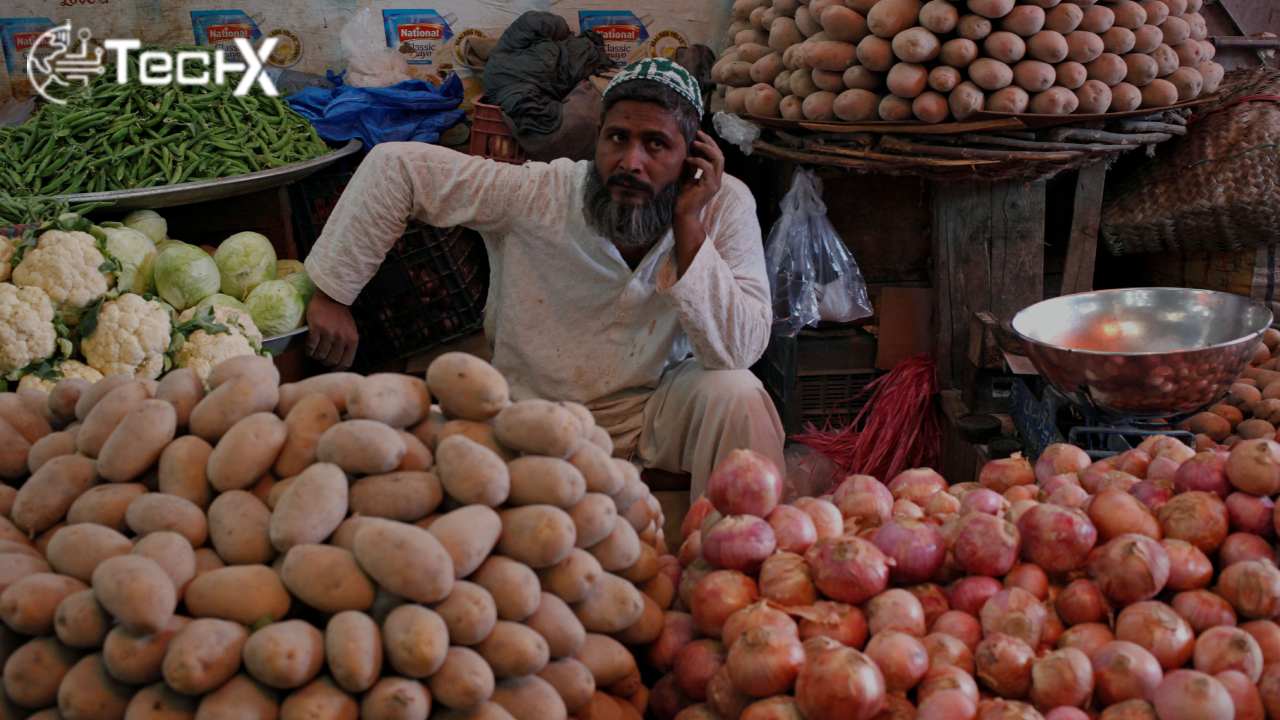
Food inflation is anticipated to decrease by 0.4 percent MoM in February 2025. This decline is primarily driven by a 55 percent drop in tomato prices, a 27 percent reduction in onion prices, and a 21 percent fall in potato prices. However, prices of fresh fruits and sugar are expected to rise by 9-15 percent, offsetting some of the overall decline.
Housing and Utility Costs
The housing, water, electricity, and gas segment is projected to see a 0.2 percent MoM decline. This is attributed to an 8 percent decrease in LPG prices and a 0.5 percent reduction in electricity prices due to higher negative fuel cost adjustments (FCA). These adjustments are helping to ease the burden on households and businesses.
Also Read: Surge in Pakistanis Traveling to UAE Despite Visa Restrictions
Transport Sector Inflation
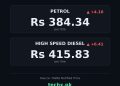
In contrast, the transport sector is expected to experience a 1.2 percent MoM increase in inflation. This rise is linked to a 2-4 percent hike in petrol and diesel prices. Higher fuel costs are likely to impact transportation expenses, affecting both consumers and businesses reliant on logistics.
FY25 Inflation Forecast
Topline Securities has maintained its average inflation forecast for FY25 at 6.0-7.0 percent. This projection reflects the overall stabilization of prices across key sectors. However, the report cautions that any significant deviation in global commodity prices, particularly oil, could alter these estimates.
Impact of Global Commodity Prices
The report highlights that current oil prices at $75 per barrel are a critical factor in inflation projections. Any major fluctuations in oil prices or other global commodities could disrupt the anticipated inflation trajectory. Policymakers will need to monitor these variables closely to ensure stability.
Economic Implications
The projected decline in inflation is a positive sign for Pakistan’s economy. Lower inflation rates can boost consumer purchasing power, encourage investment, and support economic growth. However, sustained efforts are required to address structural issues and maintain price stability in the long term.
Challenges Ahead
Despite the optimistic outlook, challenges remain. Rising fuel prices and potential increases in global commodity costs could exert upward pressure on inflation. Additionally, ensuring consistent food supply and managing utility costs will be crucial to maintaining the projected inflation levels.
Conclusion
Pakistan’s inflation is expected to stabilize at 2-2.5 percent by February 2025, reflecting significant progress compared to previous years. While food and utility costs are projected to decline, rising fuel prices pose a challenge. Policymakers must remain vigilant to sustain this positive trend and ensure economic stability in the face of global uncertainties.