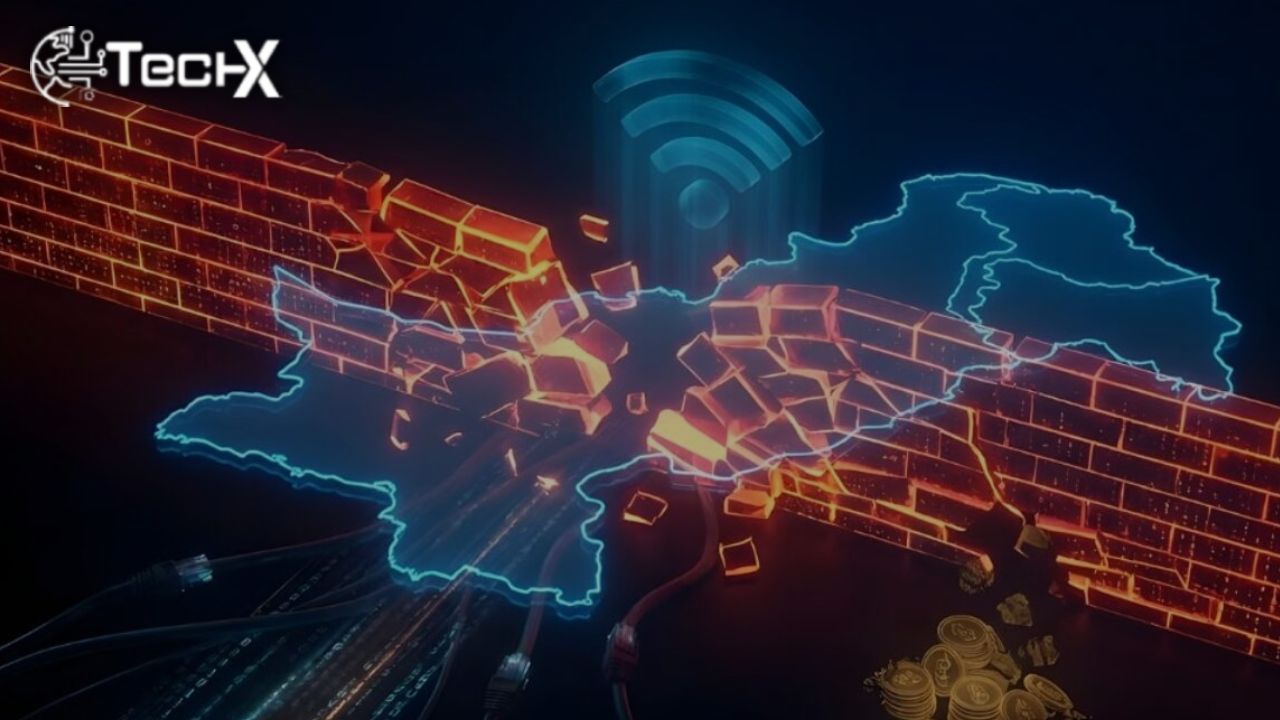
In a major development, the Pakistani government has permanently shut down its controversial social media monitoring firewall. The system, installed in 2024, failed to achieve its goals and instead created serious technical and economic problems. After months of criticism and damage to the digital economy, officials decided to dismantle the project completely.
The move comes at a critical time, as Pakistan prepares for its upcoming 5G spectrum auction. Authorities believe removing the failed system will help restore confidence in the telecom sector.
A Costly Technical Failure
When the firewall was first introduced, experts from the Pakistan Software Houses Association (P@SHA) warned the government about possible economic losses. According to a 2024 Reuters report, internet disruptions could cost the country up to $300 million. Sadly, those warnings proved true.
The firewall was deployed without proper technical planning. It did not properly align with Pakistan’s existing telecom infrastructure. As a result, users across the country faced slow internet speeds, dropped connections, and frequent service outages.
Freelancers, IT companies, software houses, and digital service providers were among the worst affected. Pakistan’s growing IT exports depend heavily on stable internet connectivity. The firewall disrupted online meetings, cloud services, payment systems, and international communication.
Many businesses reported losses, delayed projects, and damaged reputations with foreign clients.
Also Read: Pakistan to Host Indus AI Week 2026
Impact on the IT and Telecom Sector
The IT sector plays a vital role in Pakistan’s economy. Millions of freelancers and thousands of companies rely on smooth internet services for daily work. The firewall’s technical flaws created uncertainty in the market.
Investors became cautious. Telecom companies faced an increase in customer complaints. The overall digital ecosystem suffered badly.
Below is a clear summary of the firewall project and its impact:
| Category | Details |
|---|---|
| Project Type | Social Media Monitoring Firewall |
| Installation Year | 2024 |
| Allocated Budget | Rs 40 Billion |
| Reported Economic Risk | $300 Million (as warned by P@SHA) |
| Major Issues | Internet slowdowns, service disruptions |
| Affected Sector | IT companies, freelancers, telecom operators |
| Current Status | Permanently dismantled |
This table shows how a project intended to control online content became a major economic setback.
Firewall Removed to Save 5G Auction
Officials reportedly decided to scrap the firewall to protect Pakistan’s upcoming 5G spectrum auction. Experts strongly argued that 5G cannot succeed in an unstable digital environment.
A reliable and high-speed network is essential for 5G technology. Any technical bottlenecks could discourage foreign investors and telecom operators from participating in the auction.
By removing the firewall, the government aims to send a positive signal to the telecom industry and international stakeholders. A stable internet system is now seen as necessary for digital growth and economic recovery.
Despite confirmation from government sources, the Ministry of IT has not issued an official public statement.
Public and Political Reaction
The permanent shutdown has triggered strong public and political reactions. Many citizens are questioning how Rs 40 billion of public money was spent on a project that ultimately failed.
Politician Fawad Chaudhry criticized the decision, calling it a heavy blow to the public. He stated that if the reports are true, the nation has suffered another major financial loss. He highlighted that Rs 40 billion were allocated for what he described as a “useless censorship program.”
On social media, many people are demanding accountability. Some are even asking whether refunds or investigations will take place.
A Lesson for the Future
The failure of the firewall project serves as a serious lesson. Large-scale technology projects require proper planning, expert consultation, and transparent execution. Ignoring technical advice can cost billions and damage economic stability.
As Pakistan moves toward its 5G future, stability, openness, and strong infrastructure will be key. The shutdown may mark the end of a costly experiment, but it also opens the door for rebuilding trust in the country’s digital ecosystem.
The nation now looks ahead, hoping that future decisions will strengthen rather than weaken its digital progress.