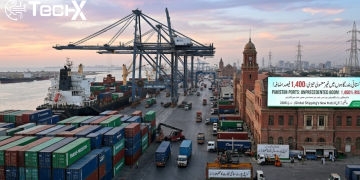
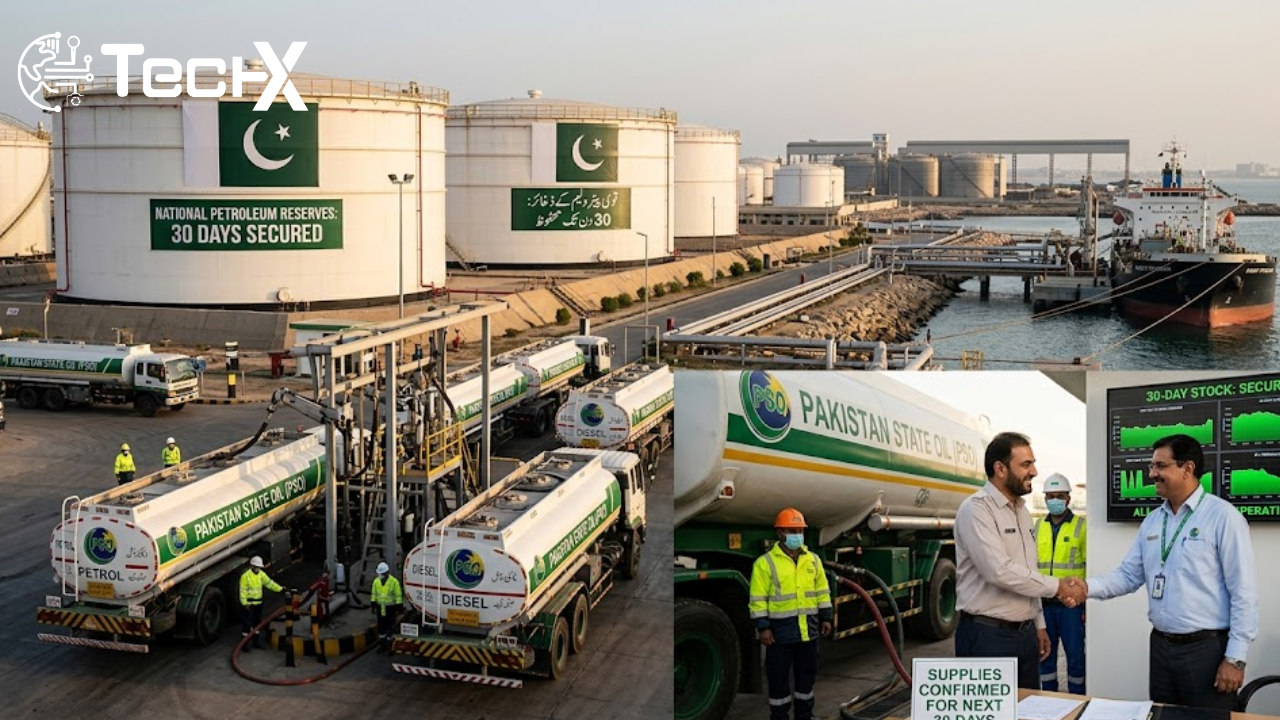
Pakistan has recently taken steps to ensure short-term energy stability by securing petroleum supplies for approximately the next 30 days, lasting until around April 25, 2026. This move comes amid rising regional tensions that have created uncertainty in global oil markets. The government has worked closely with both local refineries and international suppliers to maintain adequate fuel reserves and prevent any immediate shortages across the country.
Role of Local Refineries
A key factor behind this stability is the improved performance of domestic refineries. Facilities such as Pakistan Refinery Limited and Attock Refinery Limited are operating at high capacity levels. This increased output has helped meet local fuel demand and reduced reliance on emergency imports, ensuring smoother fuel availability across Pakistan.
Dependence on Import Routes
In addition to boosting local production, Pakistan has also secured additional fuel imports from friendly countries. Most of these supplies come through routes connected to the Strait of Hormuz, a critical passage for international oil shipments. This route remains essential for Pakistan, as a large portion of its petroleum imports depend on it.
High Reliance on Imported Oil
Despite these efforts, Pakistan continues to face a major challenge due to its heavy dependence on imported oil. The country imports nearly 85–90% of its petroleum needs, making it vulnerable to global price fluctuations and geopolitical tensions. Any disruption in supply routes or international markets can quickly affect fuel availability and prices within the country.
Government Monitoring and Management
To address these risks, authorities have strengthened supply chain management and monitoring systems. Organizations like the Oil and Gas Regulatory Authority are actively overseeing fuel stocks and coordinating with oil marketing companies to ensure timely distribution. These steps are aimed at preventing shortages, hoarding, and panic buying.
Conclusion: Temporary Relief Lon Term Challenge
In conclusion, while Pakistan’s petroleum supplies are secure until approximately April 25, 2026, this is only a temporary relief. The 30-day reserve provides a short-term buffer, but long-term energy security will require diversification of energy sources, improved storage capacity, and investment in alternative energy solutions to reduce reliance on imported fuel.