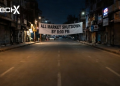
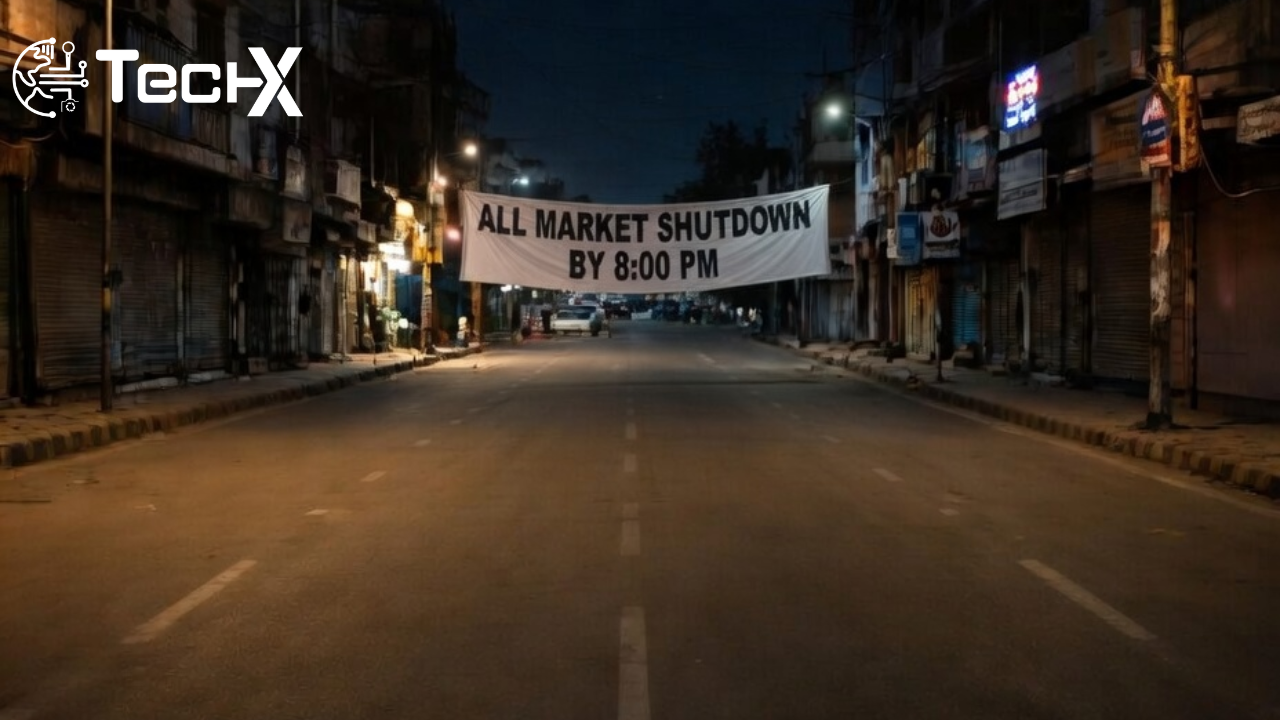
The federal government has announced a significant policy shift to manage the country’s escalating power shortage and rising fuel import costs. Starting April 6, 2026, all commercial markets and business centers across Pakistan will be required to shut down by 8:00 PM sharp. This mandatory closure aims to reduce the national grid’s load during peak evening hours, helping the government save billions in energy costs and stabilize the fragile economic situation.
Impact of Global Crisis and the Strait of Hormuz
These stringent measures are a direct response to the deepening energy crisis in the Middle East, specifically the tensions between Iran and Israel. The strategic blockade of the Strait of Hormuz, a vital passage for 20% of the world’s oil supply, has caused global crude oil prices to skyrocket. Since Pakistan relies heavily on imported petroleum, these international supply disruptions have forced the government to take drastic steps to curb domestic consumption.
Record Hike in Petrol and Diesel Prices
Following international trends, the government has notified a historic increase in fuel prices. Petrol has surged by Rs. 137.24, reaching Rs. 458.41 per liter, while High-Speed Diesel (HSD) has seen an even larger jump of Rs. 184.49, bringing the new rate to Rs. 520.35 per liter. Officials cited record-high global diesel prices, which have crossed $250 per barrel, and the necessity of meeting IMF-mandated fiscal targets as the primary reasons for this hike.
Jet Fuel (JP-1) and the Aviation Crisis
The aviation sector is also facing immense pressure as Jet Fuel (JP-1) prices were increased again by Rs. 40.02 per liter. This marks the sixth price revision within a single month, bringing the new rate to Rs. 517.17 per liter. Such frequent hikes have significantly inflated the operational costs for airlines, making it increasingly difficult to maintain current flight schedules without raising domestic and international airfares or adding heavy fuel surcharges.
Targeted Subsidies for Vulnerable Groups
To protect the lower-income population from this inflationary wave, the government has replaced broad “blanket subsidies” with a Targeted Relief Program. Under this scheme, motorcyclists and intercity transport providers will receive a subsidy of Rs. 100 per liter, while goods transport (trucks) carrying essential food items will be eligible for a direct monthly grant of Rs. 70,000. The goal is to provide relief directly to those most affected while adhering to strict economic constraints.
Strategic Shift to Daytime Business Operations
Planning Minister Ahsan Iqbal has urged the business community to adopt an “Early to Bed, Early to Rise” model to maximize the use of natural sunlight. Businesses are encouraged to shift the majority of their transactions to daytime hours to minimize electricity usage at night. The government maintains that this cultural and operational shift is essential for national survival, as reducing energy demand is the only way to avoid prolonged, unannounced load-shedding during the summer months.