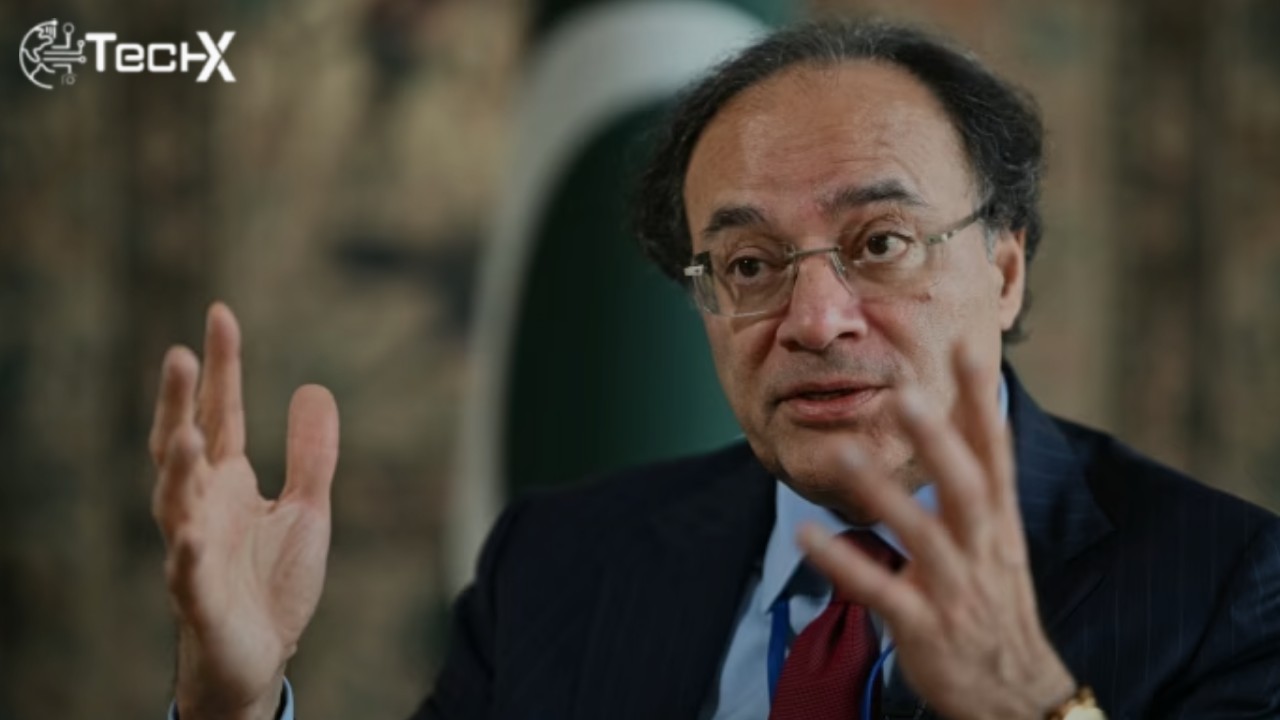
Federal Minister for Finance and Revenue Senator Muhammad Aurangzeb chaired a crucial meeting to advance Pakistan’s digital economy. Held at the Finance Division, the session aimed to reduce cash dependency and modernize financial systems. Senior stakeholders from banks, regulatory bodies, and investment experts attended. The committee was formed to develop recommendations for digital financial transformation.
Stakeholders Collaborate on Digital Solutions
The meeting brought together representatives from commercial banks, development finance institutions (DFIs), and regulatory authorities. Their goal was to formulate actionable strategies for promoting digital payments. Discussions focused on increasing financial inclusion, especially in retail, services, and public sectors. Participants agreed on measures to enhance digital financial services accessibility.
Interoperability and Raast System Highlighted
A key recommendation was improving interoperability among payment platforms. The Raast instant payment system was identified as a vital tool for seamless transactions. Broadening consumer access and ensuring user convenience were emphasized. These steps aim to expand digital transactions nationwide, reducing reliance on cash.
Also Read: NADRA Offices Across Pakistan to Remain Closed on Wednesday
Balancing Incentives for Digital Payments
Stakeholders stressed the need for balanced incentives between digital and cash transactions. Reducing costs linked to digital payment infrastructure was a priority. Lowering merchant acquisition and service fees would encourage small businesses to adopt digital solutions. This approach ensures that underserved communities benefit from financial digitization.
Minister Aurangzeb Endorses Digital Transformation
Senator Aurangzeb endorsed the committee’s proposals, affirming digitalization’s role in economic modernization. He highlighted its potential to enhance transparency, financial inclusion, and efficiency. The minister urged coordinated efforts to build an inclusive digital payments ecosystem. His vision aligns with global trends toward cashless economies.
Policy Frameworks for Technological Adoption
The Finance Minister emphasized aligning technology adoption with robust policy frameworks. Effective regulations will ensure secure and scalable digital financial services. He called for urgent action to implement these reforms. A structured approach will help Pakistan transition smoothly into a digital economy.
Roadmap for Digital Economy Implementation
The meeting concluded with directives for a detailed, time-bound roadmap. The committee will outline strategies to accelerate Pakistan’s digital transformation. This plan will focus on execution timelines and stakeholder responsibilities. The goal is to create a sustainable, user-friendly digital payments ecosystem.
Conclusion: A Digital Future for Pakistan
The high-level meeting marks a significant step toward Pakistan’s digital financial future. With collaborative efforts, the country can reduce cash dependency and enhance economic efficiency. Minister Aurangzeb’s leadership underscores the government’s commitment to modernization. A well-executed digital strategy will drive growth, transparency, and financial inclusion for all Pakistanis.