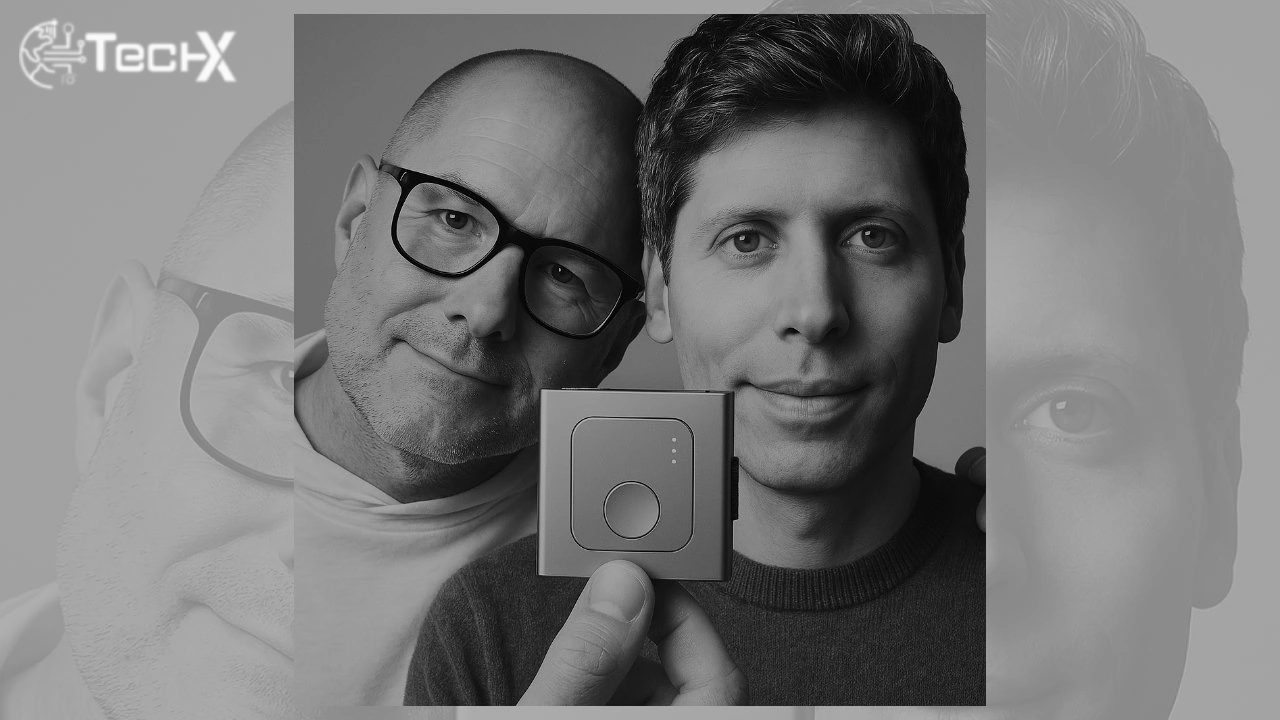
OpenAI’s first AI device is making waves with its unique design and functionality. Inspired by Apple’s iPod Shuffle, it’s a collaboration with ex-Apple designer Jony Ive. The goal is to transform how users interact with AI, moving beyond traditional screens. This wearable, screenless gadget emphasizes voice-first interaction, offering a fresh take on personal technology.
A Screenless, Wearable AI Companion
Unlike smartphones or smart speakers, OpenAI’s device is compact, clip-on, and screen-free. It relies on ChatGPT’s conversational AI for real-time assistance. The focus is on creating an intuitive, natural experience rather than another gadget. By eliminating screens, OpenAI aims to reduce digital distractions while keeping AI-powered help readily accessible. This could redefine on-the-go information access.
Voice-First Interaction with Minimalist Design
The device operates primarily through voice commands and a single button, much like the iPod Shuffle. This minimalist approach encourages fluid, natural conversations with AI. A built-in text-to-speech engine may allow offline functionality, reducing cloud dependency. OpenAI’s vision is clear: make AI interaction effortless, seamless, and screen-independent. Could this be the future of personal assistants?
Backed by OpenAI and SoftBank’s $1 Billion Investment
This project stems from an OpenAI-incubated startup, supported by SoftBank with up to $1 billion in funding. The team includes ex-Apple engineers and designers, ensuring premium hardware quality. Their expertise suggests a strong focus on sleek, user-friendly design. With such backing, the device has the potential to disrupt the AI hardware market significantly.
Launch Timeline and Market Potential
OpenAI aims for a late 2025 launch, with mass production by 2027. If successful, this device could shift tech trends from screens to voice-based AI. While adoption remains uncertain, OpenAI is clearly betting big on AI hardware. If it delivers, this gadget might just become the “iPod of the AI era,” marking a new chapter in personal technology. The future of AI wearables is closer than we think.