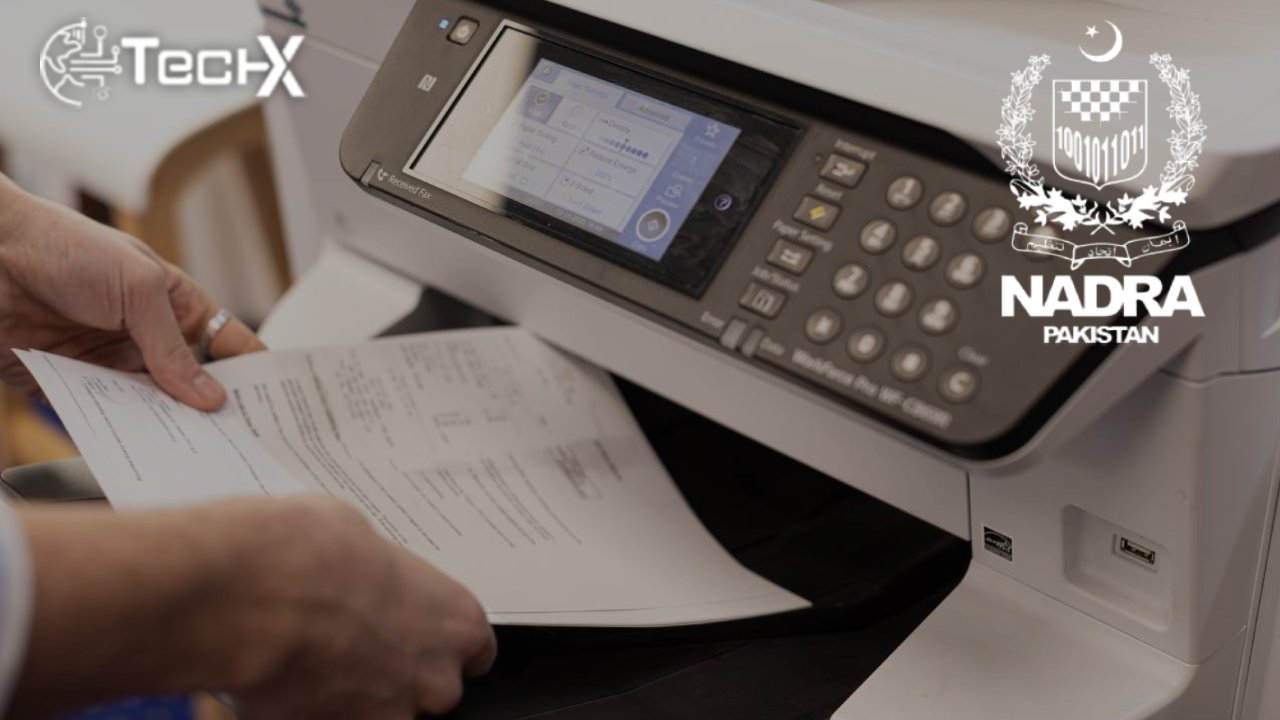
The National Database and Registration Authority (NADRA) has issued a public advisory urging Pakistani citizens to minimize photocopying official documents. This guidance comes as part of NADRA’s ongoing efforts to ensure the security of personal information as the country moves further into the digital age. Only original documents or NADRA-issued identification numbers are typically necessary for transactions at their offices.
Rationale Behind Reduced Photocopying
NADRA explains that for most transactions, the originals or specific ID numbers provided are sufficient. This approach helps streamline processes and reduces the reliance on physical copies, which can be susceptible to misuse. By limiting photocopies, NADRA aims to enhance privacy and reduce administrative burdens.
Specific Documents at Risk
The advisory highlights particular documents that should not be photocopied unnecessarily, including national identity cards (CNICs) and family registration certificates. These documents contain sensitive personal data that, if copied excessively, could become targets for identity theft or other fraudulent activities.
Also Read: NADRA Launches Facial Recognition for Pakistani Seniors
Understanding Security Risks
Excessive photocopying poses substantial risks. Unauthorized copies of important personal documents can lead to identity theft and other forms of fraud. Manipulated or altered photocopies can be used to bypass security measures, putting individual privacy at significant risk.
Guidelines for Safe Document Handling
NADRA recommends using original documents for all official transactions wherever possible. Citizens are advised to avoid photocopying sensitive documents unless absolutely necessary and to maintain vigilance about where and how their documents are being copied.
NADRA’s Commitment to Secure Processes
The authority is committed to maintaining a secure and efficient system for document handling. This advisory is part of a broader initiative to educate the public on safe document management practices, ensuring that personal information is protected against unauthorized access and misuse.
Encouraging Public Cooperation
By following these guidelines, Pakistani citizens can play a crucial role in safeguarding their personal information. NADRA encourages everyone to be proactive in protecting their documents and to report any suspicious copying or mishandling of sensitive information.
Enhancing Document Security with Technology
In addition to minimizing photocopying, NADRA is enhancing document security through the adoption of advanced technological solutions. These technologies include biometric verifications and digital records that provide higher security than traditional paper-based systems. By leveraging such technologies, NADRA ensures that the integrity of personal data is maintained while reducing the need for physical copies.
Also Read: North Korean Hackers Stole $1.3 Billion in Cryptocurrency in 2024
Educational Campaigns and Public Awareness
NADRA also plans to roll out educational campaigns aimed at raising public awareness about the risks associated with improper handling of personal documents. These campaigns will focus on teaching citizens how to safeguard their documents and the importance of relying on digital verifications over physical copies. By educating the public, NADRA aims to foster a culture of security and awareness that will help prevent fraud.
Partnerships for Enhanced Security
To further strengthen document security, NADRA is working in partnership with other governmental agencies and private sector entities. These partnerships aim to create a unified approach to document handling and fraud prevention. Collaborative efforts include sharing best practices, enhancing security protocols, and developing new technologies that can offer better protection against document-related crimes.
Monitoring and Compliance
NADRA is also implementing stricter monitoring and compliance measures to ensure that guidelines regarding document photocopying are followed. Regular audits and inspections will be conducted to assess compliance across various departments and services. These measures are designed to identify and rectify any lapses in document security practices promptly.
The Broader Impact on Society
Adhering to NADRA’s directives not only helps individuals protect their personal data but also supports broader national efforts to combat fraud and identity theft. As Pakistan continues to integrate more digital solutions into everyday life, such protective measures are increasingly important.
Conclusion
NADRA’s advisory is a timely reminder of the importance of careful document handling in the digital age. By reducing unnecessary photocopies, citizens and authorities alike can ensure a higher level of security and efficiency in personal and public transactions. It’s a crucial step toward embracing a more secure and technologically advanced future.