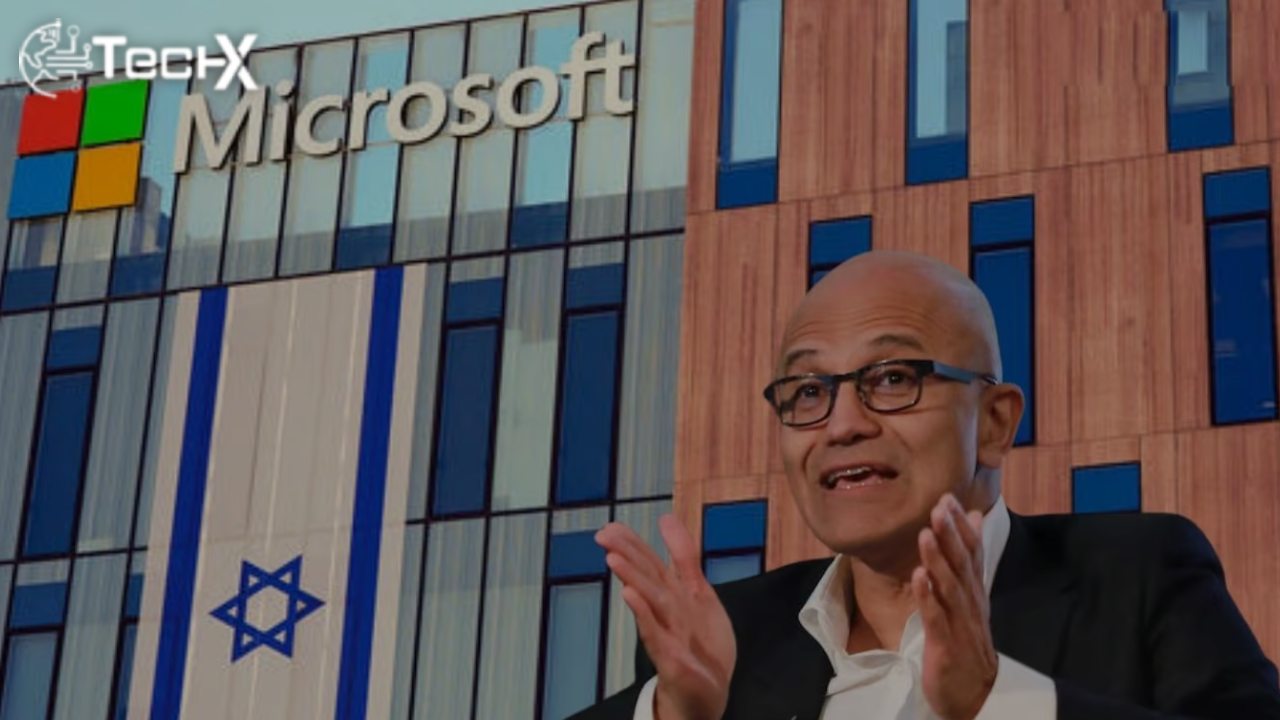
A Microsoft employee group, No Azure for Apartheid, claims the company implemented a silent email filter blocking terms like “Palestine,” “Gaza,” and “genocide” in internal communications. The filter reportedly prevents delivery without notifying senders or recipients. The group discovered the policy last Wednesday, following Microsoft’s Build conference, where employees protested the company’s ties to the Israeli military.
Growing Employee Dissent
Microsoft faces internal backlash for providing cloud services to the Israeli Ministry of Defense amid the Gaza conflict. Leaked documents reveal discounted cloud and AI deals with Israel, making Microsoft a key tech supplier during military operations. While Microsoft hasn’t denied the reports, it claims its services haven’t harmed Gaza civilians. Employees argue that the company enables violence through these contracts.
Selective Censorship in Emails
Despite blocking “Palestine” and “Gaza,” emails containing “Israel” or stylized variations of restricted terms reportedly go through. Microsoft has not commented on the alleged filtering. The discovery intensified tensions, especially after employee protests at the Build event. Critics argue the policy suppresses dissent while avoiding scrutiny over Microsoft’s military partnerships.
Protests Disrupt Microsoft Build Conference
During CEO Satya Nadella’s keynote, an interrupting employee was fired. The next day, another worker confronted Jay Parikh, CoreAI’s head, shouting, “No Azure for apartheid!” before being removed. These incidents highlight growing internal resistance. Employees demand that Microsoft sever ties with Israel, accusing the company of complicity in Gaza’s humanitarian crisis.
Microsoft’s Military Contracts Under Scrutiny
Internal documents show Microsoft pursued Israeli military contracts after the October 7, 2023, attacks, anticipating defense spending hikes. The Israeli military is now among Microsoft’s top global clients. Employees argue these deals implicate Microsoft in warfare, contradicting its public ethics stance. Despite protests, the company maintains its services don’t directly harm civilians, but skepticism persists.
Corporate Silence and Employee Backlash
Microsoft’s refusal to address the email filtering claims fuels frustration. Workers accuse leadership of silencing pro-Palestinian voices while enabling military collaborations. The lack of transparency raises concerns over corporate censorship. As protests continue, pressure mounts for Microsoft to reconsider its partnerships and address employee grievances over free speech and ethical accountability.
The Broader Implications
The controversy reflects wider tech industry struggles over military contracts and free expression. Microsoft’s actions set a precedent for how companies handle dissent amid geopolitical conflicts. Employees vow to keep pushing for change, demanding accountability. The situation underscores the tension between corporate interests, worker activism, and the ethical responsibilities of global tech giants.