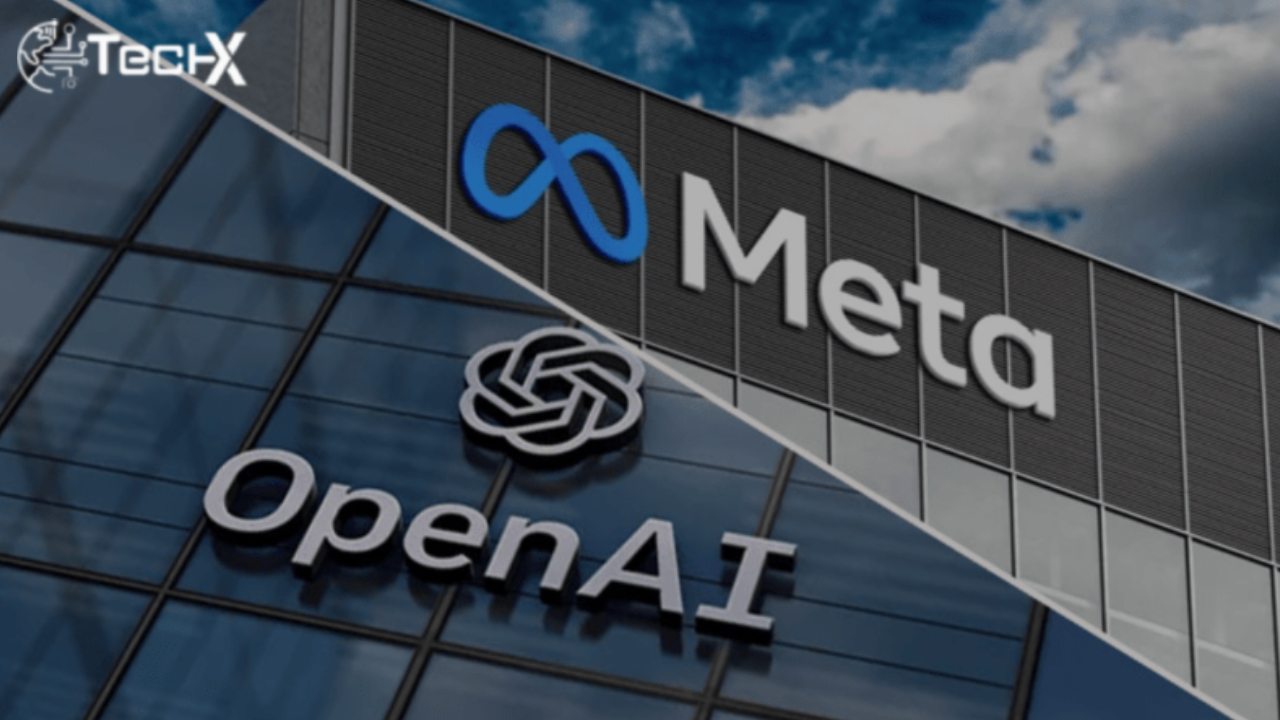
Meta’s attempts to lure top AI talent with massive offers have largely failed, according to OpenAI CEO Sam Altman. On a podcast with his brother, Altman revealed that Meta offered compensation packages exceeding $100 million to OpenAI and Google DeepMind employees. Despite these staggering figures, key targets, including Noam Brown and Koray Kavukcuoglu, declined the offers.
Zuckerberg’s AI Superintelligence Push
Meta CEO Mark Zuckerberg is aggressively expanding AI efforts under Alexandr Wang, former Scale AI CEO. The company is enticing researchers with proximity to Zuckerberg, huge salaries, and signing bonuses. However, despite these incentives, top talent remains hesitant. Meta’s AI ambitions face stiff competition from OpenAI and Google DeepMind, both leaders in AI innovation.
Altman: “None of Our Best People Have Left”
Sam Altman confidently stated that OpenAI’s top researchers have resisted Meta’s lucrative offers. He attributed this loyalty to OpenAI’s mission-driven culture and shared vision of achieving Artificial General Intelligence (AGI). Altman emphasized that while money is a factor, purpose and innovation matter more. OpenAI’s team remains committed, valuing groundbreaking research over financial incentives.
Also Read: TikTok AI Ads Mimic Real Creators And It’s Raising Eyebrows
Culture vs. Compensation
Altman contrasted OpenAI’s innovation-centric environment with Meta’s compensation-heavy approach. He suggested that throwing money at talent doesn’t guarantee breakthroughs. While Meta has made progress in AI, Altman questioned its ability to lead in innovation. He argued that true AI advancements require vision, not just financial muscle. OpenAI’s culture, he believes, fosters long-term success.
Meta’s AI Struggles and New Hires
Despite failing to poach top talent, Meta continues investing in AI. It recently hired Jack Rae (Google DeepMind) and Johan Schalkwyk (Sesame AI). Additionally, Meta invested in Scale AI, Wang’s former company. However, with OpenAI, Google DeepMind, and Anthropic advancing rapidly, Meta remains behind in the AI race. Its setbacks highlight the challenge of competing with mission-driven rivals.
OpenAI’s AI-Powered Social App Hint
Altman teased OpenAI’s potential entry into social networking with an AI-driven app. Unlike traditional platforms, this tool would offer hyper-personalized experiences. Meanwhile, Meta’s AI chatbot faced backlash after users accidentally shared private chats publicly. If OpenAI launches a social product, it could directly challenge Meta’s dominance, intensifying the rivalry.
Altman vs. Zuckerberg: The AI Showdown
The battle between Altman and Zuckerberg extends beyond talent wars. Both leaders are pushing AI-driven social platforms, each with distinct strategies. While Meta relies on financial incentives, OpenAI bets on culture and innovation. As the AI race accelerates, the winner may be determined not just by technology, but by vision and leadership.
The Future of AI: People Over Paychecks
The AI industry’s future hinges on talent, purpose, and innovation. Meta’s high-stakes offers highlight its urgency, but OpenAI’s retention of top minds suggests money isn’t everything. As both companies pursue superintelligence, the real competition lies in fostering environments where breakthroughs thrive. The winner will likely be the one who values people as much as progress.