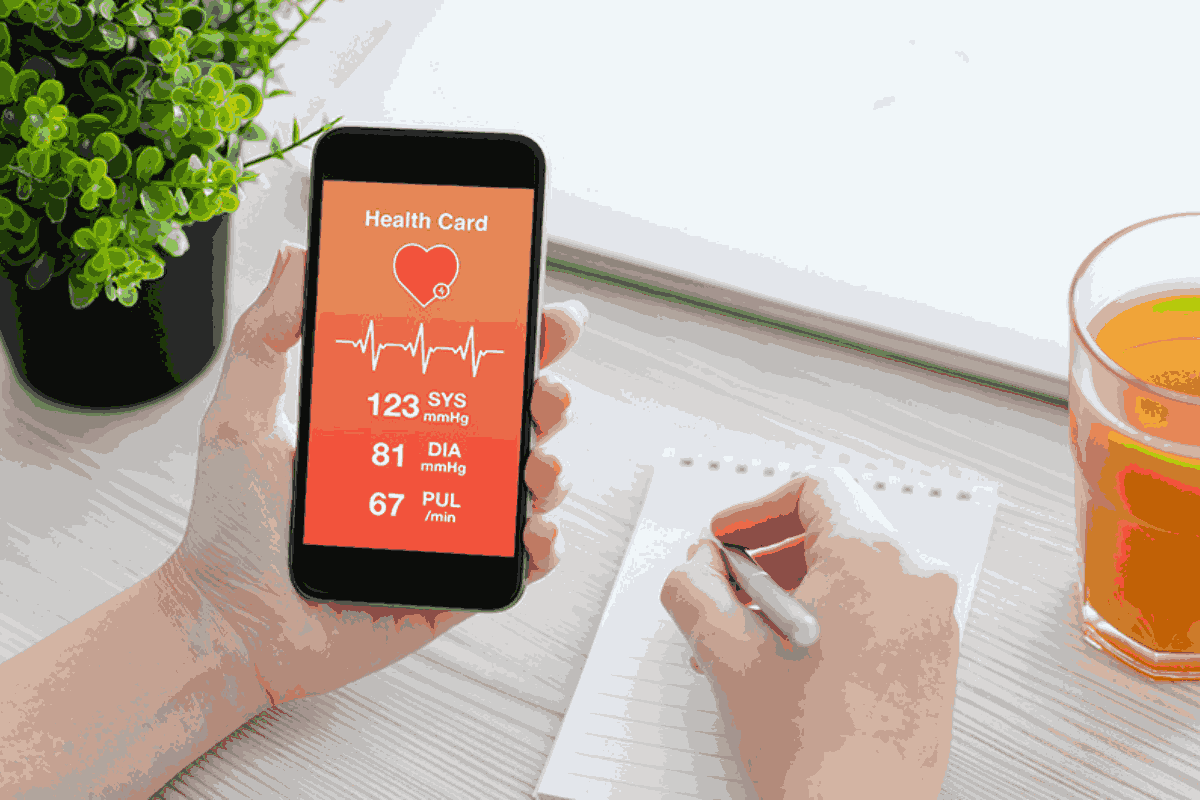
A study by GlobalData reveals a surge in the market for medical and health management apps despite worries over user privacy. Patient care is evolving as a result of widespread digitalization in healthcare, and mobile applications are at the vanguard of this movement.
According to a webinar presented by Elia Garcia, Medical Device Analyst at Medical Device Network parent firm GlobalData, regulated medical apps and specifically health management apps are areas of digital health that are seeing increases in utilization.
Patients can receive more accurate diagnoses and treatments with the help of patient-centered digital health gear and software. It not only makes healthcare available to patients, but also equips doctors with a growing trove of personal health information.
Elia Garcia noted that mobile health applications are typically used in conjunction with medical devices. In most cases, the two technologies work together to combat a particular illness.
According to GlobalData’s forecasts, the market for medical apps that comply with established regulations would grow to $12.1 billion by 2030.
Yet, estimates put the remote patient monitoring market at a much smaller $760m. All of the latest vital sign monitors, implantable monitors, specialized monitors, and wearable devices are built on a platform that can be paired with a smartphone app.
The app typically includes some sort of artificial intelligence (AI) component and can supply either live or historical data in addition to providing functional capabilities.
Medical apps that need to be approved by the government typically target a specific illness. Digital therapies are software applications that have been shown to be effective enough to warrant a prescription from a doctor.
According to the webinar, mobile applications are the most extensively utilized because of consumer demand, despite the fact that this software is typically resilient regardless of the platform it is made available on.
GlobalData estimates that by 2030, the regulated app market would be worth $12.1 billion. This total is split evenly between apps with a focus on clinical outcomes and those that are designed to treat specific conditions.
By 2030, it is expected that the market for clinically-focused applications would be worth $3.9 billion.
The majority of clinical apps cater to nurses rather than doctors. Apps tailored to individual conditions are expected to generate $8 billion by 2030; leading conditions include T2D, obesity, depression, IBS, and type 1 diabetes.
In particular, Elia Garcia notes, the use of applications in health management has increased dramatically. Patients‘ perspectives on healthcare shifted after the Covid-19 outbreak, and many began to take greater responsibility for their own well-being.
Applications like “Calm,” “MyFitnessPal,” and “Flo Ovulation and Period Tracker” saw massive amounts of downloads in 2022.
Medical App Market is Getting Popular
One of the most popular categories of mobile health apps, “Health Management” programs center on patients’ physical and mental well-being.
These kinds of apps can be utilized to assist in tracking and managing numerous ailments such as physical activity, nutrition, sleep, blood sugar, and level of heart rate,” stated Elia Garcia.
And they can help you remember to take your meds, make it to your doctor’s appointments, and gain access to useful health information by setting reminders for you. These apps streamline the process of keeping tabs on one’s health and charting improvement over time.
The majority of healthcare apps fall under this category. According to GlobalData, this is because these apps rely on user input rather than sensor data collection, making them accessible to everyone with a smartphone.
In a recent webinar, GlobalData stressed the significance of addressing customer concerns about data protection. In spite of these reservations, remote patient monitoring and the use of associated apps have grown.
Privacy will become more important to business as the number of users and the number of databases grow.
According to Garcia, “cybersecurity and the ability to secure data from misuse and unauthorized access becomes increasingly crucial as more sensitive health information is acquired through digital applications.”
To read our blog on “Tiny Robotic insects can be used for medical emergencies,” click here.