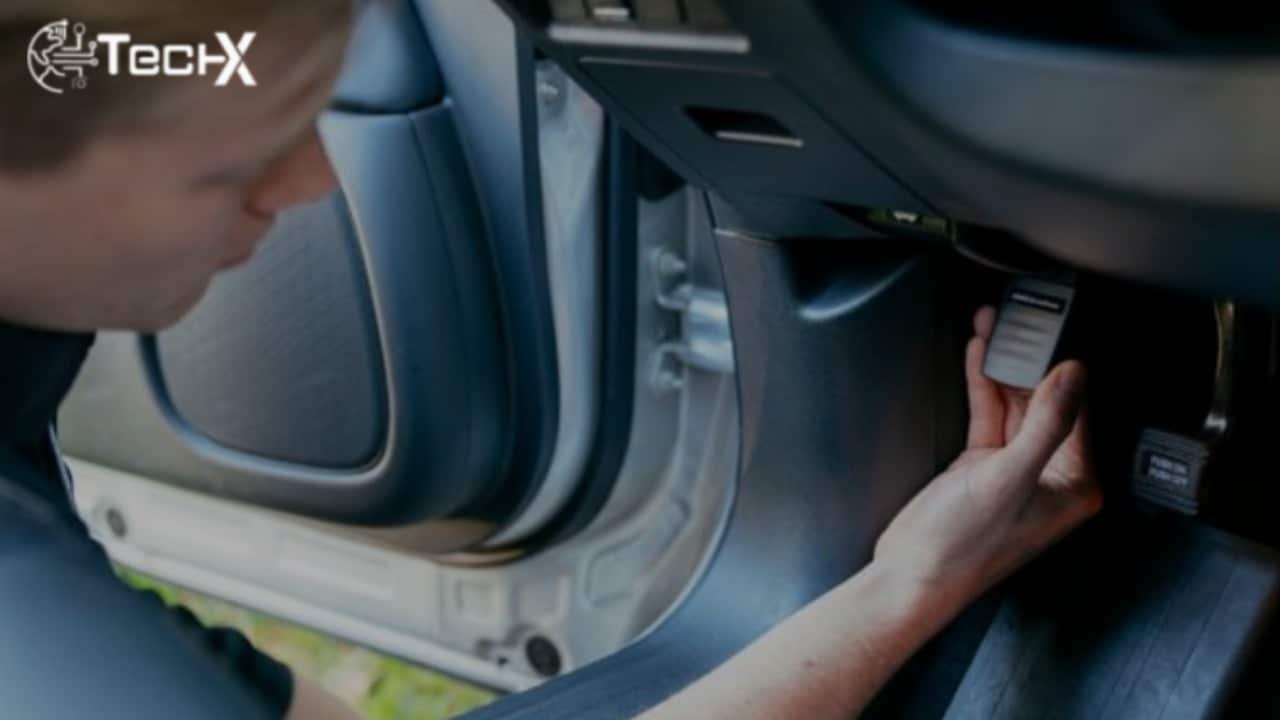
Vehicle trackers have changed how companies manage their fleets, showing where vehicles are and how well they’re doing right away.
But the usage of them brings up huge questions. How can organizations use trackers even while respecting human privacy? This article focuses on the rules regarding automobile monitoring and privacy concerns.
In a world where data is super important, understanding the legal and privacy sides of vehicle tracking systems is really important for companies to do things the right way.
Legal Requirements and Adherence
Legal necessities are vital for companies that use vehicle tracking systems. The collection and use of personal data, including information about vehicle tracking, is governed by laws similar to the GDPR in Europe. Adhering to strict records safety standards is vital to comply with those guidelines.
- Companies that perform in different places must recognize the specific legal guidelines that are relevant to them.
- Obtaining consent from those whose data is being gathered is necessary for compliance.
Assent and Openness
A basic requirement is getting drivers’ or car owners’ express consent before installing a vehicle tracking system. To guarantee informed consent, it is imperative to maintain transparency on the aim, extent, and consequences of vehicle tracking, Alphatrack is the best car tracker company in Pakistan which is maintaining the consequences of vehicle tracking. Businesses need to be very clear about who will be able to access tracking data, how it will be used, and the rights of individuals about their data.
Purpose Restriction
Vehicle tracking data should not be utilized for additional objectives, such as staff monitoring or private activity tracking, but rather for fleet management or operational needs.
- Policies that clearly define the permissible uses of tracking data must be in place.
- Workers ought to be aware of the precise reasons why their information is being gathered.
Retention and Minimization of Data
By gathering only the data needed for operational needs, one can practice data minimization. Overzealous data collection raises the possibility of regulatory non-compliance and privacy violations. Furthermore, by putting standards in place for data deletion and retention, privacy risks are reduced, and vehicle tracking data is kept for no longer than is necessary.
Also Read: Cost Analysis of Car Tracker Services in the Pakistani Market
Safety Precautions
It is vital to protect Epping tracking data against hacks and unwanted admissions. Strong protection techniques that groups can undertake consist of encryption, entry to limits, and intrusion detection systems. Data privacy and security are improved with the aid of recurring safety audits and updates.
- To stop data breaches, personnel have to learn cybersecurity fine practices.
- To stabilize statistics healing in an emergency, ordinary records backups have to be performed.
Handling Sensitive Information
Since location data gathered by vehicle tracking systems can disclose people’s whereabouts and actions, it is considered sensitive information. Businesses need to install methods for dealing with and safeguarding these statistics to make sure it isn’t always abused, leaked to the wrong human beings or used illegally.
Rights to Privacy for Employees
It’s critical to strike a balance between the advantages of car tracking and workers’ privacy rights. It is recommended that businesses create explicit regulations and procedures regarding the usage of vehicle tracking devices in company-owned automobiles. Workers should be made aware of their rights to privacy and data protection as well as the scope of tracking.
Customer Expectations and Trust
Fulfilling client privacy expectancies builds loyalty and self-assurance. Businesses need to allow individuals to view or replace their statistics, directly respond to worries, and be obvious about how they sing. Maintaining private commitments complements an emblem’s standing.
- Transparency is increased through regular consumer communications regarding privacy policies.
- Customer experience is improved by implementing user-friendly interfaces for data management.
- Quickly attending to consumer questions or concerns demonstrates a dedication to trust and reliability.
Audits and Monitoring of Compliance
Tracking systems undergo routine audits and monitoring to guarantee that they comply with legal and regulatory standards. Internal assessments need to be completed using organizations to analyze statistics dealing with processes, spot security holes, and clear up noncompliance issues. To confirm compliance with felony requirements and industry requirements, external audits can also be required.
Changing Environment of Regulations
The laws and procedures related to car tracker pakistan are continuously evolving. Businesses need to adapt to these tendencies and cling to enterprise exceptional practices. Actively conforming to guidelines demonstrates an organization’s difficulty with privacy and allows it to keep away from prison troubles.
- Employees are knowledgeable about evolving regulations through ordinary education periods.
- Working with legal professionals enables a successful interpretation and application of new laws.
- Regular opinions of monitoring guidelines guarantee persistent adherence to converting policies.
Conclusion
In the end, when watching an automobile, it is vital to comply with the regulations and recognize privacy. Businesses that reap this grow in duty, accept it as true with, and integrity, all of which contribute to the functioning of morally and responsibly.
Disclaimer:
This post is part of a paid marketing campaign sponsored by the vendor. TechX Pakistan does not endorse, guarantee, or bear any responsibility for the products, services, or claims made herein. Any purchase, engagement, or use of the mentioned item(s) is solely between the buyer and the vendor. We encourage our audience to perform their due diligence before making any decisions.