
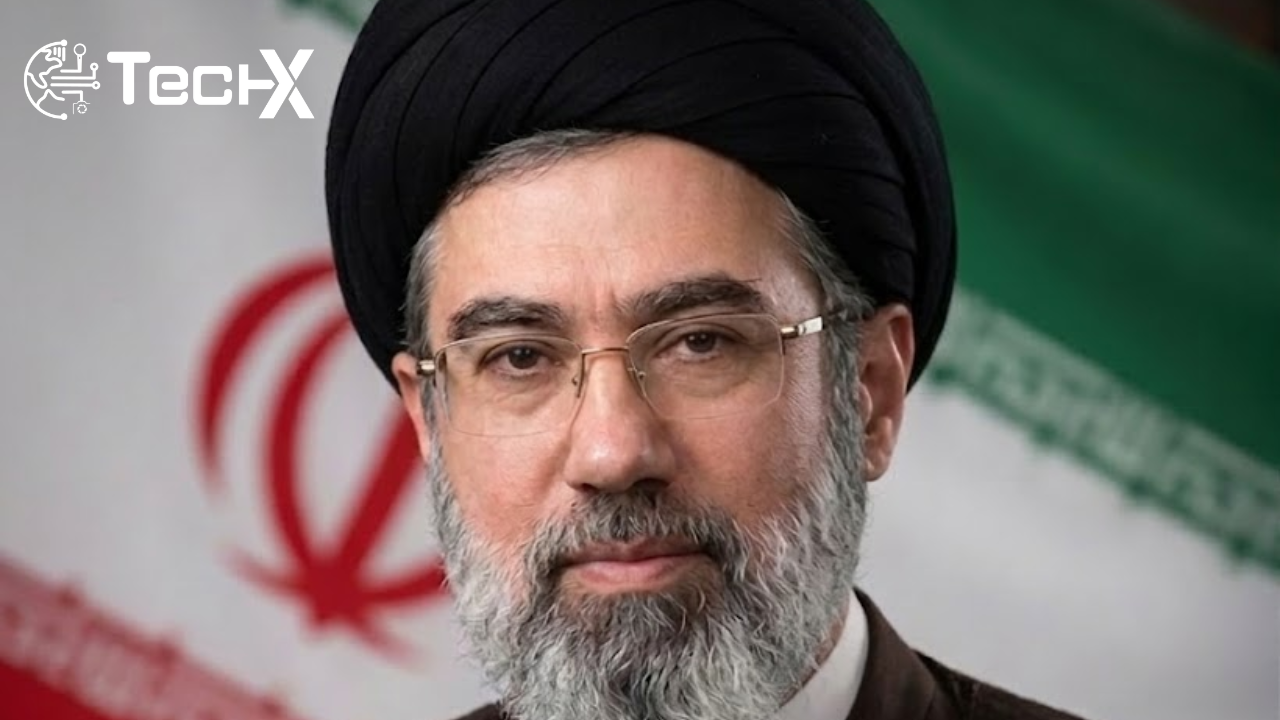
Iran’s newly appointed Supreme Leader Mojtaba Khamenei has made a strong public statement outlining Tehran’s stance toward the United States and its military presence in the Middle East. This message came shortly after he succeeded his father, Ayatollah Ali Khamenei, following a period of intense regional conflict and diplomatic tension.
First Public Message and Context
In his first official message as Supreme Leader, broadcast on Iranian state television, Mojtaba Khamenei declared that the strategic Strait of Hormuz should remain closed as a means of putting pressure on Iran’s adversaries. This reflects a continuation of the confrontational posture seen in recent months and highlights Tehran’s emphasis on resistance against perceived foreign threats.
Statement on U.S. Military Bases
Khamenei also called for all U.S. military bases in the region to be closed, warning that they would be attacked if they remain operational. The comment was framed as a direct challenge to the United States and its allies amid escalating hostilities and concerns about further military escalation.
Reasons Behind the Demand
The demand to close U.S. bases stems from deep‑seated mistrust and long‑standing grievances between Tehran and Washington, particularly over U.S. military actions, sanctions, and support for regional rivals. Iran sees the presence of American forces in neighboring Gulf states as a security threat and a form of foreign interference.
Potential Regional Impact
Such rhetoric from Iran’s leadership has significant implications for regional security. The presence of U.S. bases in countries like Kuwait, Qatar, Bahrain and elsewhere supports American strategic interests, but Tehran’s call for their closure combined with threats of attack could exacerbate tensions and complicate diplomatic efforts aimed at de‑escalation.
Conclusion
In summary, Mojtaba Khamenei’s first public statement as Supreme Leader not only reaffirmed Iran’s hardline position against U.S. influence in the Middle East but also explicitly demanded the closure of all U.S. military bases in the region, with a warning of military retaliation if this demand is unmet. The developments come amid a broader and intensifying conflict, affecting both regional security dynamics and global geopolitical calculations.