
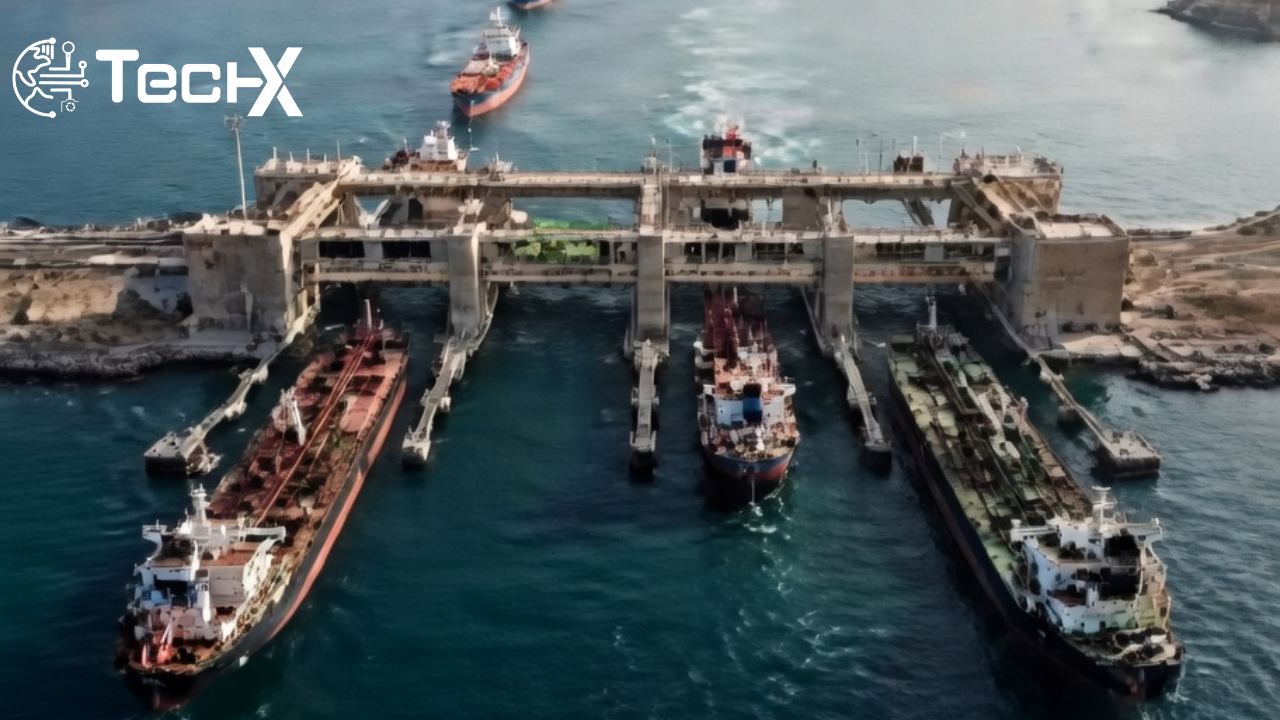
Iran’s parliamentary committee on foreign policy has approved a proposal to impose tolls on vessels passing through the strategic Strait of Hormuz, according to multiple international news outlets. The move is aimed at increasing Tehran’s control over one of the world’s most important maritime routes, crucial for global oil and gas shipments.
Toll System and Financial Framework
Under the approved plan, ships transiting the strait would be required to pay transit fees, or “tolls,” to Iran. Reports indicate that the tolls would be calculated in Iran’s national currency, the rial, and managed through a designated administrative framework. The plan reflects Tehran’s attempt to formalize revenue collection from foreign shipping in its territorial waters.
Restrictions for Certain Nations
The proposal also includes restrictions on passage for ships from specific countries, particularly those that have imposed sanctions on Iran. Reports note that vessels from the United States and Israel would not be permitted to transit the strait under this scheme, highlighting the geopolitical dimension of the measure.
Strategic Importance of the Strait of Hormuz
The Strait of Hormuz connects the Arabian Gulf to the Gulf of Oman and is a key chokepoint for global energy exports. A significant portion of the world’s crude oil and liquefied natural gas (LNG) passes through this narrow waterway daily. Changes to its governance could significantly affect international shipping routes and global energy markets.
Status of the Plan: Not Yet Law
Although Iran’s parliamentary committee has approved the toll plan, it is not yet fully enacted into law. The proposal must still be debated and approved by the full parliament, and then signed into effect by relevant authorities before it becomes legally binding.
Context: Regional Tensions
This development comes amid rising tensions in the Middle East, particularly between Iran and Western countries. Iran’s move to impose tolls and restrict certain nations’ vessels reflects broader diplomatic and security concerns in the region. Observers warn that such measures could influence shipping behavior and may lead to diversion of maritime traffic if fully implemented.