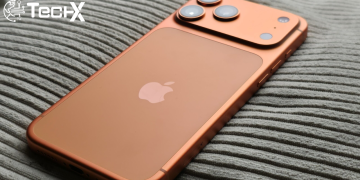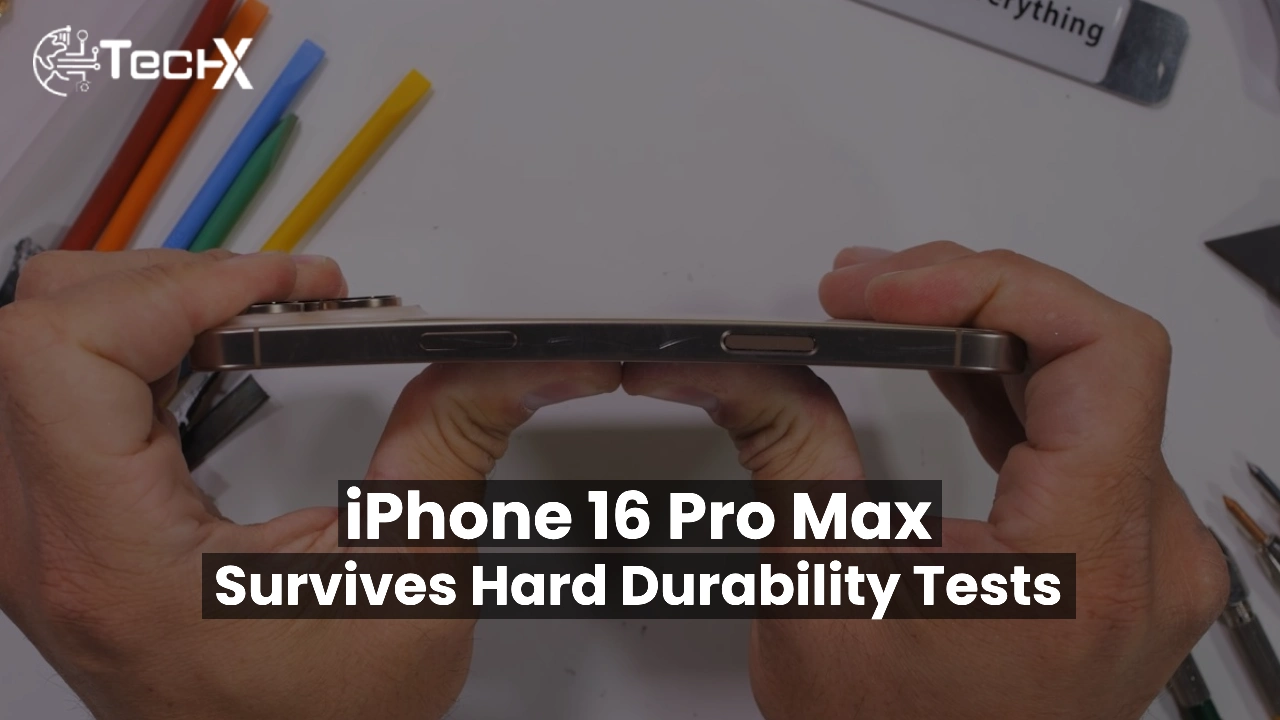
Apple’s latest flagship, the iPhone 16 Pro Max, has recently been subjected to the rigors of JerryRigEverything’s traditional durability tests. Amidst speculations about its structural integrity due to internal changes, the device has demonstrated exceptional resilience, distinguishing itself notably from other high-end gadgets like the M4 iPad Pros, which have shown susceptibility to damage under similar conditions.
Structural Integrity and Design Features
The iPhone 16 Pro Max has shown remarkable structural soundness, a testament to Apple’s commitment to quality. The recent internal modifications had raised concerns among users and experts alike about potential vulnerabilities. However, these concerns were quickly alleviated when the device passed the durability tests without a scratch. This performance sets it apart from devices like the M4 iPad Pros, which have not fared well in similar tests.
Scratch Resistance Assessment
In JerryRigEverything’s evaluation, the iPhone 16 Pro Max’s new camera control button demonstrated high scratch resistance, only succumbing at a level 7 on Mohs hardness scale. This indicates the use of superior materials such as sapphire rather than conventional glass. The body of the phone, composed of titanium and glass, maintained its resilience, reacting to abrasive challenges as expected, with titanium showing similar vulnerability to marks as the anodized aluminum sections.
Heat and Bend Resistance Tests
The durability test included a burn segment, which, while intriguing, isn’t the highlight for most viewers. The real test of structural integrity came with the bend test. Here, the iPhone 16 Pro Max excelled, barely flexing under pressure whether bent from the front or the back. The phone’s ability to withstand repeated bending attempts without damage reaffirms its robust build and design excellence.
Comparison with Previous Models
Apple’s consistent approach to enhancing the durability of its smartphones is evident in the iPhone 16 Pro Max. Like its predecessors, this model combines high-tech aesthetics with rugged durability, a hallmark of Apple’s design philosophy. The titanium used in the newer models offers a slight edge over the older anodized aluminum, providing a subtle yet significant improvement in resistance to everyday wear and tear.
Technological Enhancements for Durability
The choice of materials like sapphire for the camera control button and titanium for the chassis reflects Apple’s forward-thinking strategy in product development. These materials are not only aesthetically pleasing but also provide a practical advantage in terms of durability, setting the iPhone 16 Pro Max apart from competitors and previous iterations.
Market Implications of Durability
The proven durability of the iPhone 16 Pro Max is likely to influence consumer preference, especially among users who prioritize device longevity and resilience. This could steer market trends, prompting competitors to similarly enhance the structural integrity of their products. Apple’s emphasis on durability could also redefine standards for high-end consumer electronics, making ruggedness a key selling point.
Consumer Confidence and Brand Loyalty
The successful pass through hard durability tests boosts consumer confidence in the iPhone 16 Pro Max. Users investing in this high-end device can feel assured of its ability to withstand daily rigors, reinforcing brand loyalty. Apple’s focus on maintaining such quality standards is crucial for retaining trust and satisfaction among its customer base.
Conclusion
In conclusion, the iPhone 16 Pro Max not only meets but exceeds expectations in durability, proving its mettle in the most challenging conditions. Its ability to emerge unscathed from JerryRigEverything’s rigorous tests provides a clear answer to any doubts regarding its robustness. For consumers looking for a reliable, durable, and technologically advanced smartphone, the iPhone 16 Pro Max stands out as an excellent choice. Apple continues to push the boundaries of what consumers can expect in terms of both performance and durability in the high-end smartphone market.