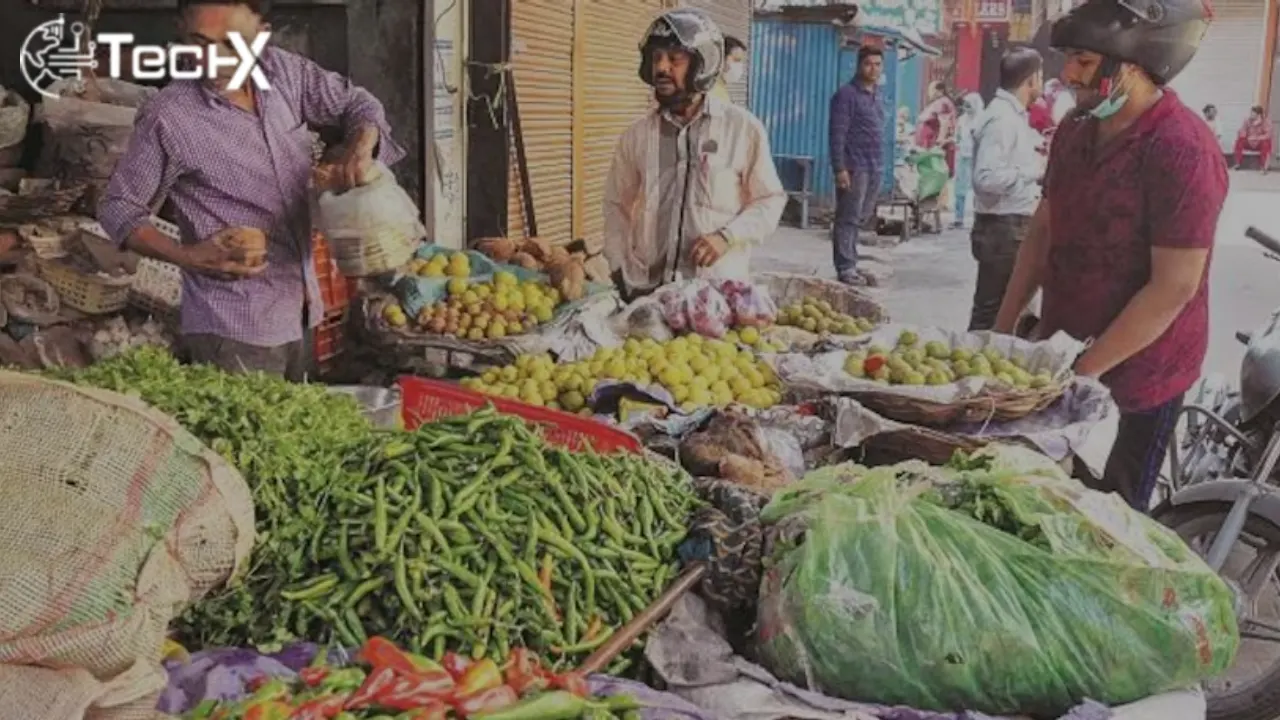
In February 2025, Pakistan’s inflation rate dropped to 1.5% year-on-year (YoY), marking the lowest level since September 2015, according to the Pakistan Bureau of Statistics (PBS). This significant decline reflects the country’s ongoing economic recovery, supported by a $7 billion International Monetary Fund (IMF) programme. The rate was lower than the finance ministry’s forecast of 2-3%.
Urban and Rural Inflation Trends
Urban areas recorded an inflation rate of 1.8%, while rural regions saw a lower rate of 1.1%. The cumulative average inflation for the first eight months of the fiscal year (July-February) stood at 5.85%, a sharp decline from 27.96% during the same period last year. This drop highlights the impact of economic stabilisation measures and favourable base effects from previous high inflation.
Factors Behind the Decline
Waqas Ghani, head of research at JS Global, attributed the decline to last year’s high base effect and easing global commodity prices. However, he cautioned that food inflation could rise during Ramadan, potentially disrupting the downward trend. The IMF-backed stabilisation programme has also played a crucial role in curbing inflation, though authorities anticipate a slight increase to 3-4% by March.
Government Measures to Control Inflation
In response to the inflation trend, Punjab Chief Minister Maryam Nawaz Sharif ordered a comprehensive crackdown on price gouging and hoarding. She directed commissioners and deputy commissioners to launch campaigns against unfair pricing and ensure the display of official price lists. The chief minister emphasised strict monitoring of essential food items’ supply and demand to prevent shortages.
Daily Monitoring and Reporting
Maryam Nawaz instructed the Punjab Chief Secretary to personally supervise the anti-inflation campaign. Daily comprehensive reports on prices and food quality were mandated to ensure transparency and accountability. These measures aim to stabilise prices and protect consumers from exploitation, particularly during periods of high demand like Ramadan.
Economic Outlook and Challenges
While the current inflation rate is a positive indicator, challenges remain. Rising food prices during Ramadan and potential global commodity price fluctuations could pressure the economy. The government’s proactive measures and IMF support will be critical in maintaining stability and ensuring sustained economic recovery in the coming months.
Conclusion
Pakistan’s inflation drop to 1.5% reflects significant progress in economic stabilisation. However, vigilance is required to address potential challenges and maintain this positive trajectory. With effective policies and monitoring, the country can continue its path toward sustainable growth and reduced inflation.