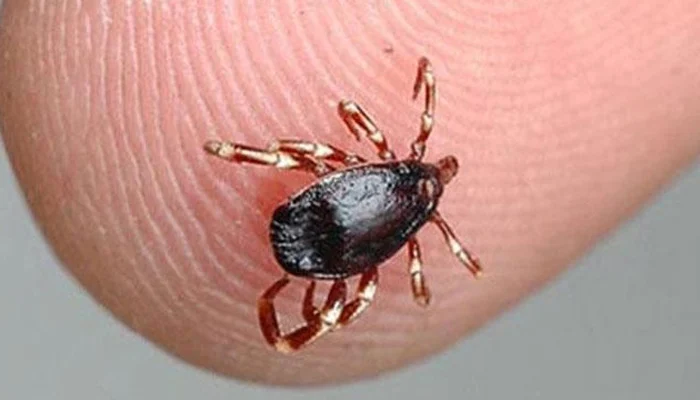
Following the discovery of a case of Crimean-Congo Hemorrhagic Fever (CCHF), heatstroke, sunstroke, and typhoid fever in Khyber Pakhtunkhwa, the National Institute of Health released a number of advises to avoid and control the diseases.
The warnings seek to raise awareness among relevant authorities and improve preparation for dealing with these health hazards.
Monitoring against CCHF
The CDC, which is part of the National Institutes of Health, emphasised the important need for monitoring against CCHF.
Especially with the forthcoming Eid-ul-Azha, which entails higher human-animal interactions. Last year, Pakistan had 101 cases of CCHF.
The CDC emphasised that CCHF, which is caused by the tick-borne Nairovirus.
Is typically spread to humans by tick bites or contact with infected animal blood or tissues, particularly during slaughter.
Human-to-human transmission is also possible by contact with infectious blood, saliva, or bodily fluids.

Heatstroke and Sunstroke Advice
The advise on heatstroke and sunstroke avoidance is in reaction to serious climate change and the regular heatwaves caused by global warming.
The National Institutes of Health stated that the effect Report Phrase of heat waves in Pakistan grows year after year, raising the possibility of death and disability from heat-related disorders.
To avoid heatstroke, the public should avoid direct sunlight, drink plenty of water, eat salty meals, and wear hats and light-colored, loose clothing. Hydration is essential in reducing the complications of heatstroke.
Typhoid Fever Advisory
Pakistan has a high typhoid fever burden, which is aggravated by limited access to safe drinking water, poor hygiene habits, and low immunisation coverage.
The CDC’s advisory emphasised the need of improving water safety, hygiene practices, and immunisation efforts to lower illness burdens.
To read our blog on “Poliovirus spreads swiftly in Pakistan,” click here