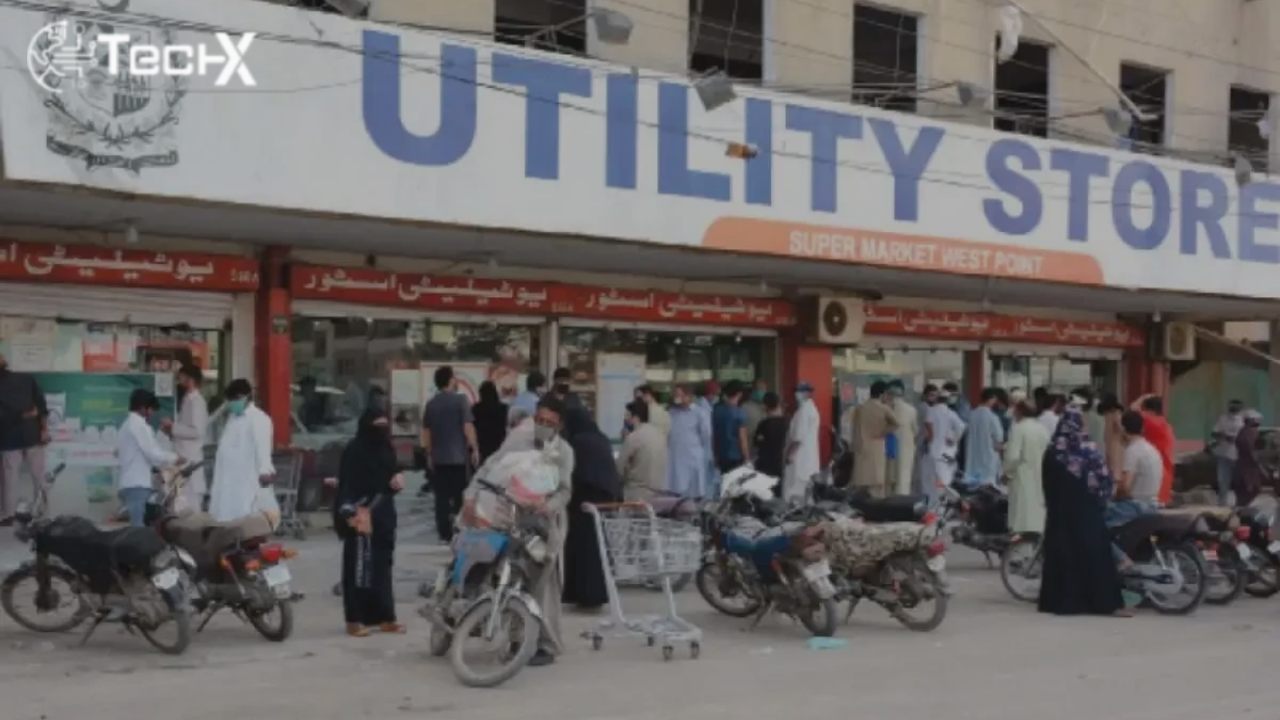
The federal government has announced the permanent shutdown of all utility stores across Pakistan, effective July 10. This drastic move will impact thousands of employees, leaving them uncertain about their future. Over 5,000 workers will be transferred to a surplus pool, where they may opt for a Voluntary Separation Scheme. The decision aims to streamline operations but raises concerns over job losses.
Employees Offered Voluntary Separation
Affected employees will be given the option to leave their jobs under the Voluntary Separation Scheme. While this provides some financial relief, many workers fear long-term unemployment. The government has not yet clarified alternative employment opportunities. Unions are demanding better compensation and reassurances for job security. The move highlights growing economic challenges and the need for sustainable solutions for displaced workers.
Gradual Wind-Down of Operations
Utility stores still in operation will gradually cease business activities. The government plans to systematically close outlets to minimize public disruption. Remaining stock will be relocated to designated warehouses for further processing. This phased approach aims to ensure a smooth transition but leaves consumers questioning future access to subsidized goods. The timeline for complete closure remains under scrutiny.
Also Read: Big Achievement of Pakistan: Leading the UN Security Council
Stock to Be Auctioned or Returned
All remaining goods from utility stores will be moved to central warehouses. Officials state that unsold items may be returned to suppliers or auctioned publicly. This process aims to recover costs and prevent wastage. However, critics argue that auctions could lead to price manipulation. The government has yet to disclose detailed plans, fueling speculation about transparency in the disposal of assets.
Shift in Essential Goods Distribution
The closure marks a significant shift in how essential goods will reach the public. Utility stores previously provided subsidized items to low-income families. The government has not announced an alternative distribution system, raising concerns about inflation and accessibility. Experts urge authorities to introduce a replacement framework swiftly to avoid market instability and public discontent.
Public Reaction and Future Implications
The decision has sparked mixed reactions, with some praising cost-cutting measures while others lament job losses and reduced affordability. Economists warn of broader economic repercussions if no alternative is introduced. The move reflects deeper structural reforms but underscores the need for careful planning. As July 10 approaches, all eyes remain on the government’s next steps.