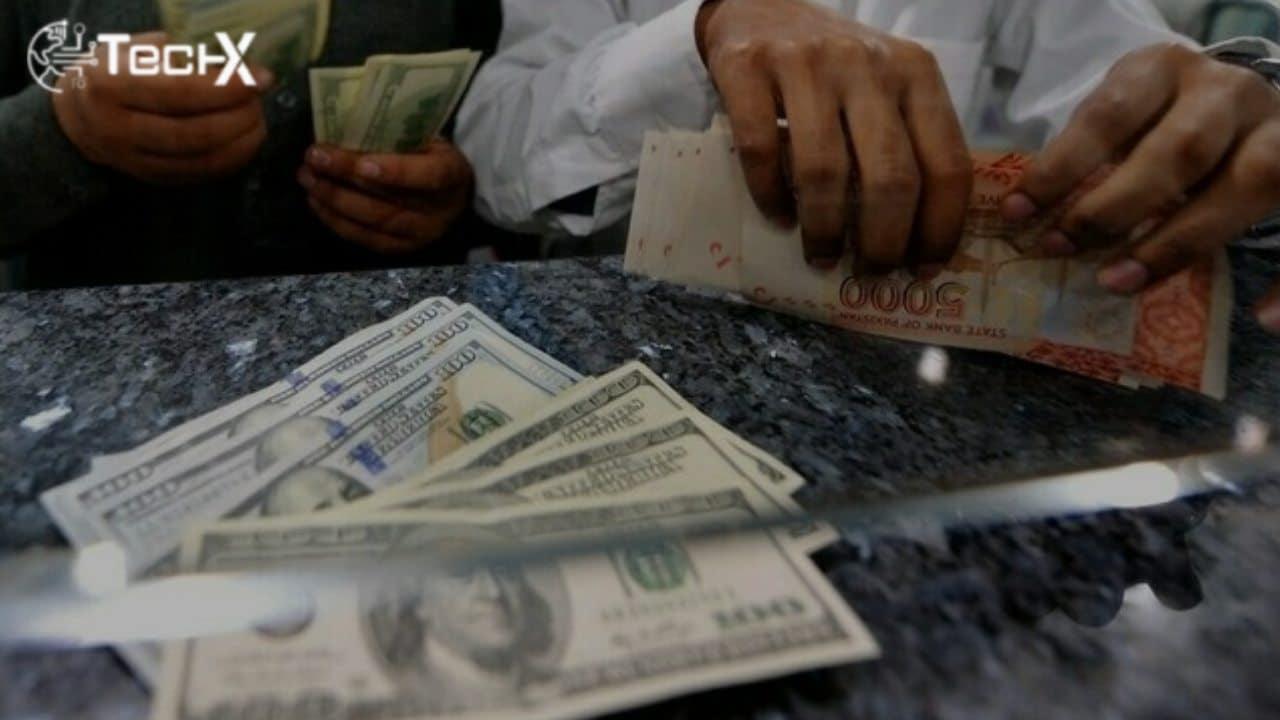
The government has announced a comprehensive review of the Pakistan Remittance Initiative (PRI), a key program encouraging overseas Pakistanis to send money through formal banking channels. This decision follows concerns that while remittances have nearly doubled in a decade, PRI-related payments have quadrupled. Officials aim to assess the scheme’s financial sustainability and effectiveness in curbing informal transfers.
Finance Ministry Proposes Review to ECC
Additional Finance Secretary Amjad Mehmood informed the Senate Standing Committee on Finance that the ministry recommended the review to the Economic Coordination Committee (ECC), which approved it. The Cabinet has also directed a thorough evaluation. The move comes amid rising costs linked to PRI incentives, prompting policymakers to reconsider its structure and financial implications for the national exchequer.
Remittances Rise, But So Do Costs
Senate Committee Chairman Saleem Mandviwalla highlighted that remittances grew from $19 billion to over $36 billion in ten years, while PRI disbursements surged from Rs20 billion to Rs130 billion. This disproportionate increase has raised concerns about fiscal strain. The State Bank acknowledged PRI’s role in formalizing remittances but agreed a review was necessary to balance incentives and costs.
State Bank Defends PRI’s Impact
State Bank Deputy Governor Dr. Inayat Hussain defended PRI, stating it successfully diverted remittances from informal systems like hundi and hawala. Recent adjustments, such as increasing the per-transaction limit from $100 to $200, aimed to further incentivize formal channels. However, he conceded that rising payouts warranted reassessment to ensure long-term viability without discouraging remitters.
Also Read: Nvidia Overtakes Apple, Microsoft to Hit $4 Trillion Benchmark
Expansion of Financial Institutions in PRI
Since its 2009 launch, PRI’s network expanded from 25 to over 50 financial institutions, including conventional and Islamic banks, microfinance providers, and exchange companies. Electronic Money Institutions (EMIs) were recently included to enhance accessibility. The growing participation reflects PRI’s success in broadening formal remittance channels, though cost concerns persist.
Global Partners Increase to Over 400
The number of international institutions linked to PRI rose from 45 in 2009 to over 400 by 2024, with 33 new partners joining last year alone. This expansion has facilitated easier remittance flows, contributing to a 65% increase in formal transfers from $7.8 billion in 2009 to $30.3 billion in FY2024. Despite this growth, rising payouts necessitate a cost-benefit analysis.
Delays in Local Currency Settlement Mechanisms
The committee also addressed delays in implementing local payment solutions. Chairman Mandviwalla noted that while banks issue Visa and Mastercard debit cards, causing $300 million in annual outflows, they neglect Pakistan’s domestic PayPak network. He urged mandatory PayPak inclusion in debit card offerings to reduce reliance on costly international payment systems.
Low Adoption of PayPak Cards
Officials revealed that out of 53 million debit and credit cards issued, only 10 million are PayPak, with 2.5 million co-branded. Visa and Mastercard dominate due to global acceptance, financial incentives for banks, and consumer trust. The State Bank is promoting PayPak to cut transaction costs, but international networks remain preferred for cross-border and online payments.
Efforts to Promote Rupee-Based Alternatives
The State Bank is pushing for low-cost, rupee-based payment solutions to reduce dependency on foreign networks. Initiatives include expanding co-branding for international transactions and regulatory oversight to foster competition. However, Visa, Mastercard, and UnionPay’s entrenched global presence, merchant acceptance, and consumer benefits pose challenges to local alternatives gaining traction.
Conclusion: Balancing Incentives and Fiscal Responsibility
The PRI review reflects the government’s effort to balance remittance growth with fiscal prudence. While the scheme has formalized transfers and expanded banking access, escalating costs demand recalibration. Simultaneously, promoting domestic payment systems like PayPak could reduce outflows and strengthen financial sovereignty. Policymakers must strike a balance to sustain remittance inflows while optimizing expenditure.