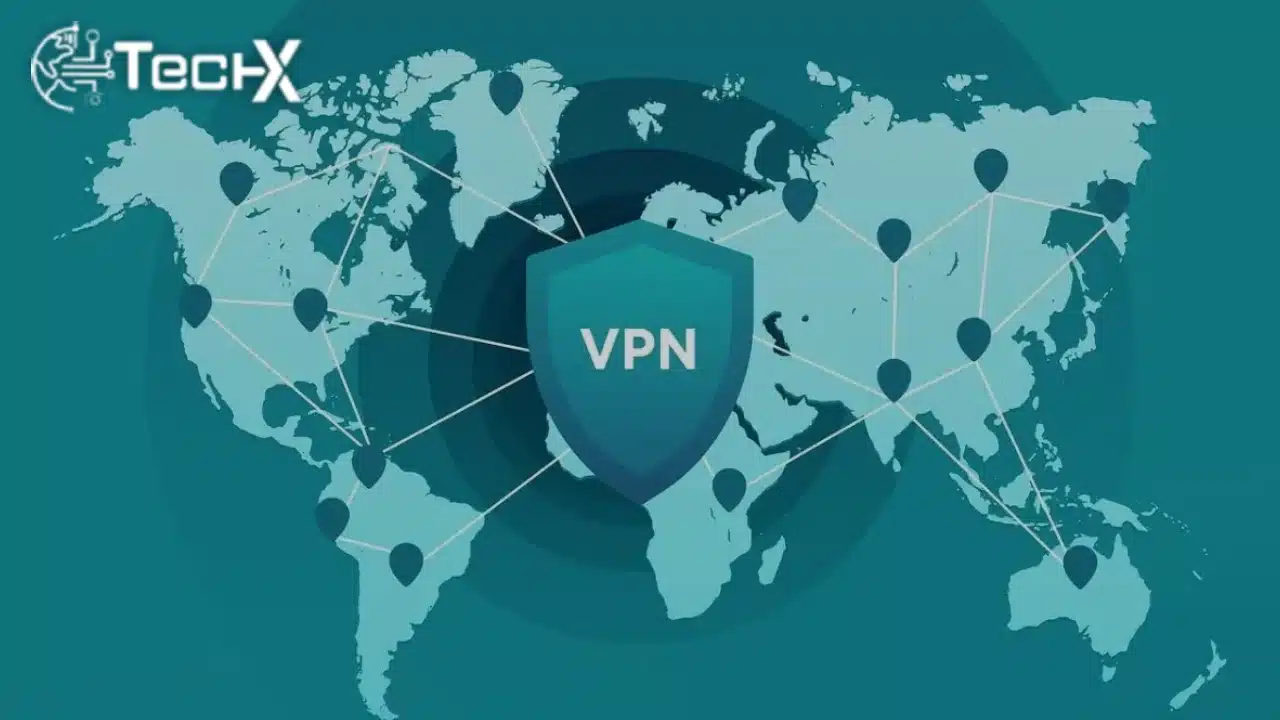
The federal government has recently announced a new deadline to block unauthorized virtual private networks (VPNs) across the nation. This move comes in response to the increasing misuse of VPN technology by criminal elements, including terrorists, who exploit these networks to carry out their activities undetected. The Interior Ministry’s statement highlighted the urgency of this issue, emphasizing the need to curb the escalating threat to public safety.
The Role of VPNs in Cybersecurity Threats
The Interior Ministry has raised concerns about the significant role of VPNs in facilitating illegal activities. “Off late, an alarming fact has been identified, wherein VPNs are used by terrorists to obscure and conceal their communications,” the ministry noted. This anonymity allows terrorists to coordinate operations and conduct financial transactions with heightened secrecy. The misuse extends to accessing prohibited content, including pornographic and blasphemous materials, through these encrypted connections.
Pakistan’s Challenge with VPNs and Prohibited Content
It is not just terrorism that motivates the crackdown on VPNs; the inappropriate use of the internet is also a significant concern. Pakistan ranks as one of the top countries for accessing pornography using VPNs, which circumvent local internet filters and restrictions. This pervasive issue highlights the dual use of VPN technology, serving both as tools for privacy and as enablers of access to illegal content, complicating the challenge for regulators.
Government’s Plan and Deadline for Action
In an effort to address these issues, the government has mandated the blocking of all illegal VPNs. However, recognizing the legitimate needs for privacy and security, the ministry assures that this measure will not affect registered VPN users. To continue using VPN services, users are urged to ensure their VPNs are registered with the Pakistan Telecommunication Authority (PTA) by the newly set deadline of November 30, 2024.
Registration and Compliance Requirements
The call for registration is a part of a broader strategy to distinguish between legitimate and illegal use of VPN technology. By requiring VPNs to register, the government aims to create a controlled environment where legal entities can utilize these services without inadvertently contributing to the country’s cybersecurity issues. This registry will help law enforcement trace any digital activity back to its source when necessary, thereby deterring misuse.
Implications for Users and Providers
This policy has significant implications for both VPN users and service providers. Users must now navigate the registration process to ensure their continued access to VPN services. Providers, on the other hand, face stringent compliance requirements that might affect their operations in Pakistan. Those who fail to meet the new legal standards risk being blocked, impacting their user base in the country.
Looking Forward: Ensuring a Safer Digital Environment
The government’s deadline aims not only to curb illegal activities but also to foster a safer digital environment. By regulating VPN usage, authorities hope to mitigate the risks associated with untraceable internet access, which often leads to criminal activities. This initiative is a step towards enhancing national security while balancing the privacy rights of individuals.
Education and Awareness: Key to Effective Implementation
The effectiveness of the new VPN policy will largely depend on the level of awareness and education among the general populace. To facilitate compliance, the government, in collaboration with the PTA, plans to launch a widespread informational campaign. This campaign will provide clear guidelines on the registration process and explain the importance of using authorized VPN services. Educating users about the legal and security implications of using unauthorized VPNs is crucial for reducing the misuse of these technologies.
Monitoring and Enforcement Strategies
To ensure that the policy is effectively enforced, the government will implement robust monitoring mechanisms. These include the development of advanced software tools that can detect the use of unauthorized VPNs. Additionally, there will be regular audits of VPN service providers to ensure compliance with registration requirements and other regulations. Enforcement agencies will also be equipped with the necessary legal and technical resources to act swiftly against those violating the rules.
Conclusion: Government Sets New Deadline to Block Unauthorized VPNs
As the deadline approaches, it is crucial for all stakeholders, including users, providers, and regulators, to work together towards a secure, transparent, and regulated internet usage landscape. The success of this initiative will depend on the collective effort to adhere to the new regulations and the public’s cooperation in registering and complying with lawful VPN use. Through these measures, Pakistan aims to enhance its cybersecurity framework and protect its citizens from the dangers of unregulated internet access.