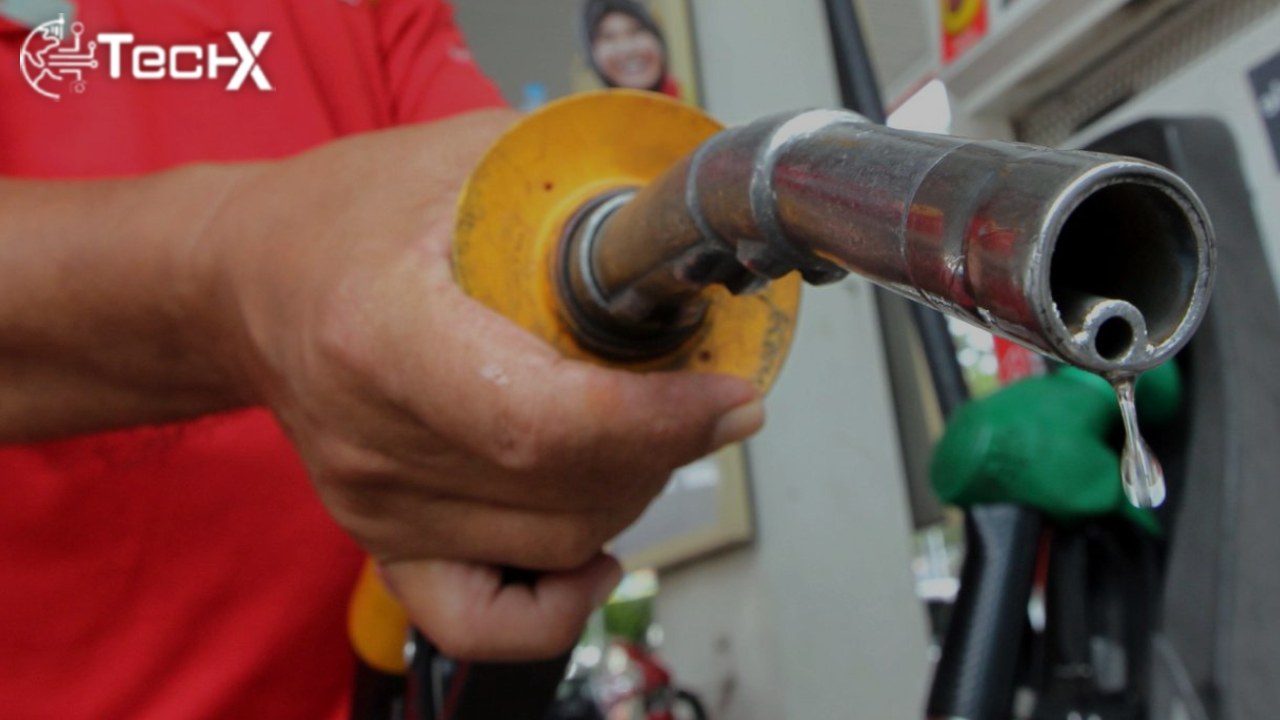
The Pakistani government is set to raise petrol prices by Rs. 4 to Rs. 4.50 per liter starting March 1, 2025. This decision comes amid fluctuating international oil prices and exchange rate pressures. The move is expected to impact consumers significantly, especially with Ramadan approaching, a period when transportation and energy demands typically rise.
Petrol and Diesel Price Adjustments
While petrol prices are set to increase, diesel rates may see a slight reduction. High-speed diesel (HSD) and kerosene prices are expected to drop by less than Rs. 1 per liter. The ex-depot price of petrol is projected to rise based on final calculations on February 28. These adjustments reflect the government’s efforts to balance domestic fuel prices with global market trends.
Factors Behind the Price Hike
The anticipated petrol price hike is primarily due to a minor increase in global oil prices and exchange rate losses against the US dollar. Despite Brent crude oil prices remaining stable over the past ten days, the rupee’s depreciation has contributed to the rise. This highlights the vulnerability of Pakistan’s economy to external market fluctuations and currency instability.
Current Fuel Prices in Pakistan
As of now, the ex-depot price of petrol stands at Rs. 256.13 per liter, while HSD is priced at Rs. 263.95 per liter. Kerosene, officially priced at Rs. 171.65 per liter, is being sold in the market at significantly higher rates of Rs. 300-350 per liter. This disparity underscores the challenges in regulating fuel prices effectively.
Also Read: Petrol Prices in Pakistan Likely to Decrease Starting Tomorrow
Impact on Consumers
The petrol price hike will directly affect consumers, particularly low- and middle-income households. With Ramadan around the corner, increased transportation costs will likely lead to higher prices for essential goods. This could exacerbate inflationary pressures, making it harder for families to manage their budgets during the holy month.
Broader Economic Implications
Rising fuel prices often have a cascading effect on the economy. Transportation costs for goods and services are likely to increase, leading to higher prices across various sectors. This could further strain an already struggling economy, potentially slowing down economic growth and increasing the cost of living for ordinary citizens.
Government’s Balancing Act
The government faces a challenging task of balancing fiscal responsibilities with public welfare. While adjusting fuel prices is necessary to align with global markets, the timing of this hike, just before Ramadan, has drawn criticism. Many argue that the government should explore alternative measures to cushion the impact on vulnerable populations.
Calls for Subsidies and Relief
In light of the impending price hike, there are growing calls for targeted subsidies and relief measures. Experts suggest that the government should consider providing temporary subsidies on essential goods or offering transportation discounts to mitigate the impact on consumers during Ramadan.
Long-Term Solutions Needed
While short-term measures can provide immediate relief, long-term solutions are essential to address the root causes of fuel price volatility. Investing in renewable energy, improving public transportation, and reducing reliance on imported oil could help stabilize prices and ensure energy security in the future.
Conclusion
The government’s decision to increase petrol prices before Ramadan is likely to have far-reaching consequences for consumers and the economy. While global market trends and exchange rate fluctuations play a significant role, the timing of this hike raises concerns about its impact on vulnerable populations. Addressing these challenges requires a balanced approach, combining immediate relief measures with long-term strategies to ensure economic stability.