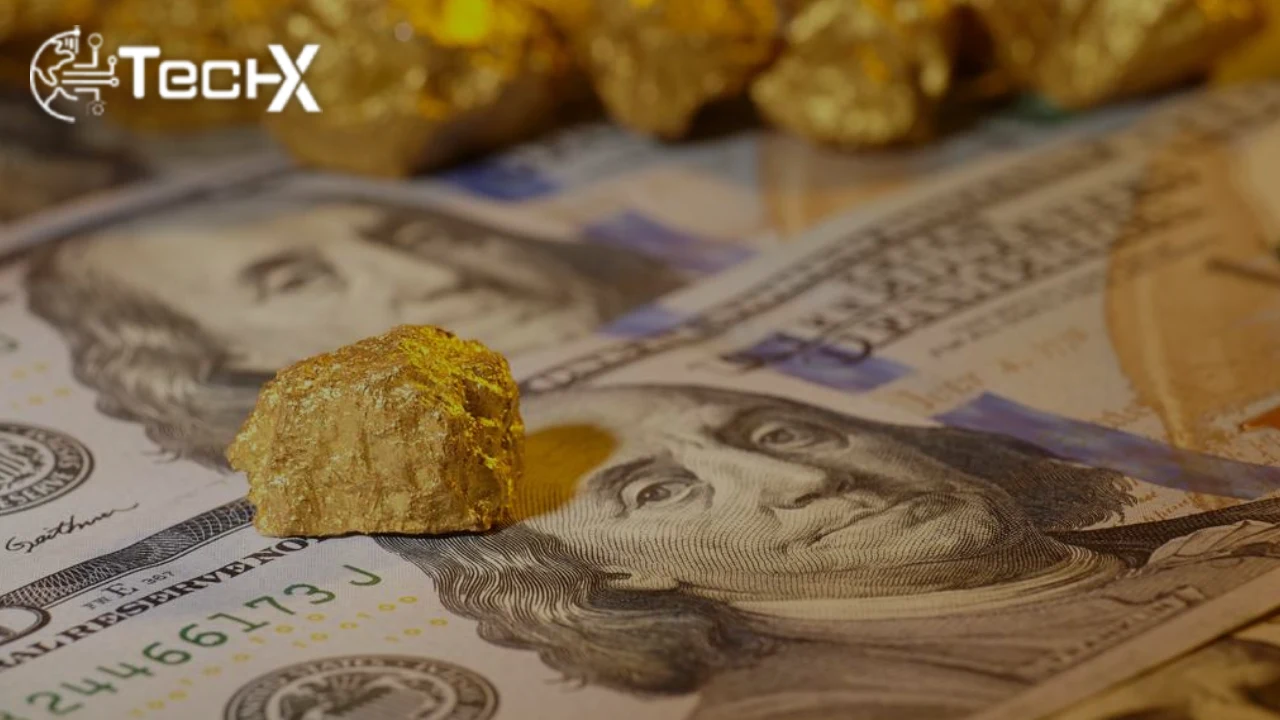
In Pakistan, the financial landscape is significantly influenced by gold rates and currency exchange rates. This article delves into the dynamics of gold pricing and the factors driving currency exchange fluctuations, offering insights into their interrelations and implications for investors and the broader economy.
Also Read Previous Rates: Gold Rates and Currency Exchange Rates in Pakistan as October 31, 2024
Understanding Gold Rate Fluctuations
Gold is deeply entrenched in Pakistan’s socio-economic fabric, serving not only as a popular form of jewelry but also as a crucial investment. The price of gold in Pakistan is influenced by a variety of global and local factors:
- Global Market Trends: International gold prices set the baseline, which fluctuates based on global supply-demand dynamics, geopolitical tensions, and macroeconomic factors such as inflation and interest rates.
- Currency Valuation: Since gold is globally priced in U.S. Dollars, the strength of the Pakistani Rupee against the dollar directly affects local gold prices. A weaker Rupee makes gold more expensive when converted back to the local currency.
- Local Demand: Cultural and economic activities, such as weddings and religious festivals, can spike local demand, influencing gold prices during these periods.
Today Gold Rates Table
Here’s a comprehensive table of the current gold rates in Pakistan across various purities:
| Purity | 1 Gram (PKR) | 10 Grams (PKR) | 1 Tola (PKR) | 1 Ounce (PKR) |
|---|---|---|---|---|
| 18K | 18,473 | 184,730 | 215,464 | 523,700 |
| 20K | 20,526 | 205,260 | 239,409 | 581,902 |
| 21K | 21,552 | 215,520 | 251,376 | 610,988 |
| 22K | 22,579 | 225,790 | 263,355 | 640,103 |
| 24K | 24,505 | 245,050 | 287,289 | 698,277 |
Currency Exchange Rate Dynamics
The exchange rates between the Pakistani Rupee and other currencies are pivotal for economic activities such as trade, remittances, and foreign investments:
- Economic Policies: Decisions by the State Bank of Pakistan regarding interest rates and monetary policy significantly affect the PKR’s strength.
- Political and Economic Stability: Domestic stability and governance can either instill confidence in the currency or lead to depreciation if the outlook is negative.
- Market Speculation: Trading behaviors in the forex market can lead to swift changes in exchange rates based on speculative moves.
Today Currency Exchange rates Table
Here’s a table summarizing today’s currency exchange rates in Pakistan’s open market:
| Currency | Buying Rate (PKR) | Selling Rate (PKR) |
|---|---|---|
| US Dollar (USD) | 277.40 | 278.90 |
| Euro (EUR) | 298.30 | 301.05 |
| British Pound (GBP) | 357.15 | 360.65 |
| Saudi Riyal (SAR) | 73.65 | 74.20 |
| UAE Dirham (AED) | 75.30 | 75.95 |
| Australian Dollar (AUD) | 182.75 | 185.00 |
| Canadian Dollar (CAD) | 200.07 | 202.47 |
| Japanese Yen (JPY) | 1.92 | 1.98 |
| Chinese Yuan (CNY) | 38.88 | 39.28 |
| Kuwaiti Dinar (KWD) | 897.37 | 906.87 |
Interrelation Between Gold Rates and Currency Exchange Rates
An understanding of the interconnectedness between gold prices and currency rates is crucial for investors:
- Direct Correlation: Typically, a depreciation in the Rupee leads to higher local gold prices due to the increased cost of buying dollars for gold purchases.
- Investment Behavior: In times of currency volatility, investors might flock to gold as a safe haven, further driving up its price.
Conclusion
As of November 1, 2024, the financial landscape in Pakistan is marked by the current gold and currency exchange rates, showcasing the interconnectedness of global economics and local market dynamics. Gold prices remain a critical indicator of economic stability and investment trends, with today’s rates reflecting ongoing market evaluations. Simultaneously, the currency exchange rates, particularly for major currencies like the US Dollar, Euro, and British Pound, provide insights into Pakistan’s economic interactions on a global scale. These financial metrics are essential for investors, businesses, and consumers who navigate through the complexities of international trade and investment opportunities, emphasizing the need for constant monitoring of these economic indicators to make informed decisions.