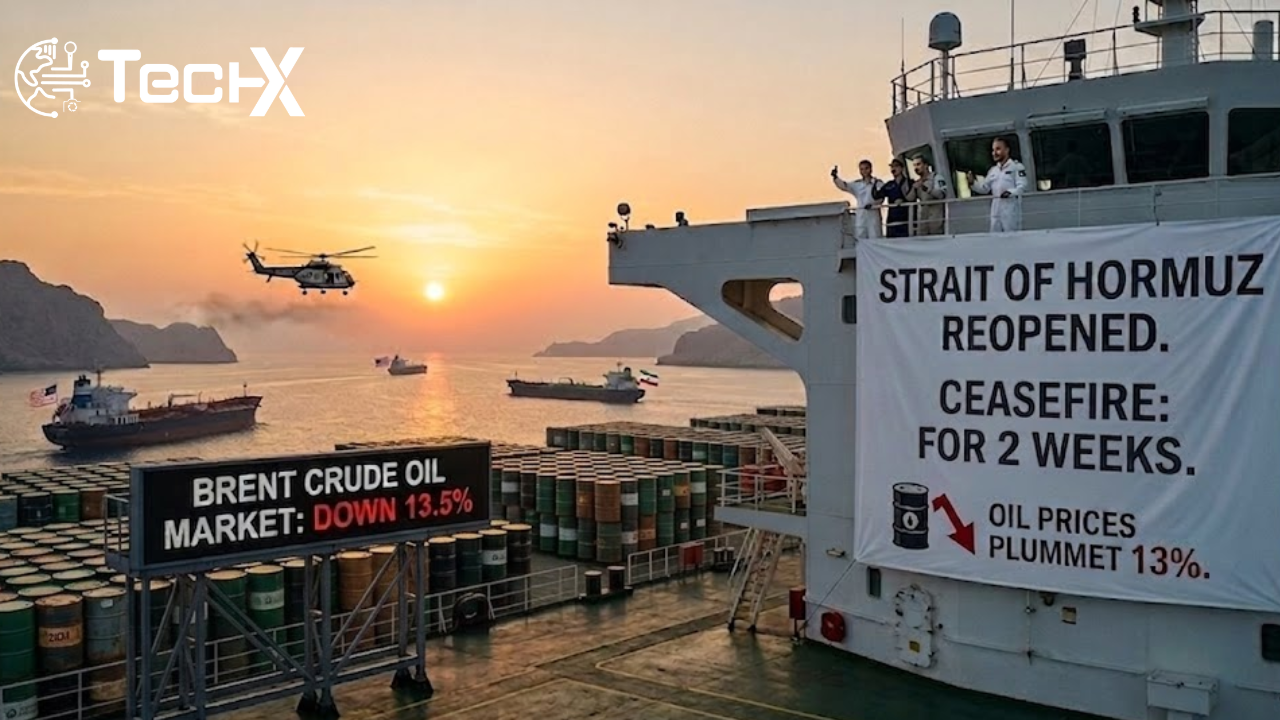
The economic impact of the ceasefire was felt almost immediately in global markets. Oil prices, which had been elevated on fears of supply disruptions, dropped sharply after the truce was announced, while stock markets rallied on optimism about reduced geopolitical risk. Analysts cautioned that long‑term stability would depend on whether the temporary calm could be extended into a lasting agreement.
Tehran Streets Erupt in Celebration
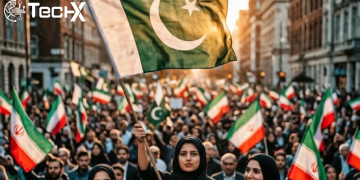
The streets of Tehran erupted in celebrations following the announcement of a two‑week ceasefire between the United States and Iran, a move widely seen as a temporary de‑escalation in a conflict that had raised fears of broader regional war. Citizens filled public squares, families waved flags, youths chanted for peace, and local vendors reported a surge in activity, reflecting a rare sense of relief after weeks of tension.
Pakistan Diplomatic Role
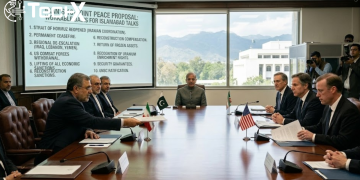
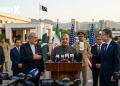
The ceasefire came after intense diplomatic efforts led by Pakistan, with Prime Minister Shehbaz Sharif actively engaging both sides to push for a pause. On his official social media platform X, Shehbaz Sharif wrote that Pakistan had worked “to allow diplomacy to run its course” and emphasized the importance of giving peace efforts a chance to succeed. He also thanked the leaders of both the United States and Iran for agreeing to the temporary halt in hostilities.
PM Shehbaz Sharif Tweet
Shehbaz Sharif’s message highlighted Pakistan’s role as a mediator in the crisis, noting that the ceasefire agreement was a “sagacious gesture” and inviting delegations from Washington and Tehran to Islamabad for further talks aimed at reaching a more lasting settlement. The prime minister’s post underlined that both nations had shown “remarkable wisdom and understanding” in agreeing to the pause and expressed hope that continued dialogue would lead to sustainable peace.
Mixed Reactions in Tehran
Despite widespread celebrations in Tehran, not all segments of the population welcomed the ceasefire. Hardline groups and some protesters took to the streets to express anger at the United States, Israel, and what they viewed as concessions to foreign powers. These demonstrations reflected deep internal divisions over Iran’s foreign relations and highlighted the political sensitivities that still shape public opinion.
International Praise for Pakistan
Pakistan’s diplomatic intervention drew praise from several world leaders, who acknowledged Islamabad’s role in helping avert further escalation of the conflict. Calls for continued dialogue and negotiations were echoed across the region, with hopes that the two‑week window could be used to build momentum toward a more comprehensive peace.
Looking Ahead
As both sides observe the ceasefire, attention now turns to the Islamabad talks scheduled later in the week, where officials will attempt to transform a fragile ceasefire into a more enduring truce. For now, the celebrations in Tehran and the diplomatic activity surrounding the ceasefire underscore a moment of cautious optimism in an otherwise volatile regional landscape.