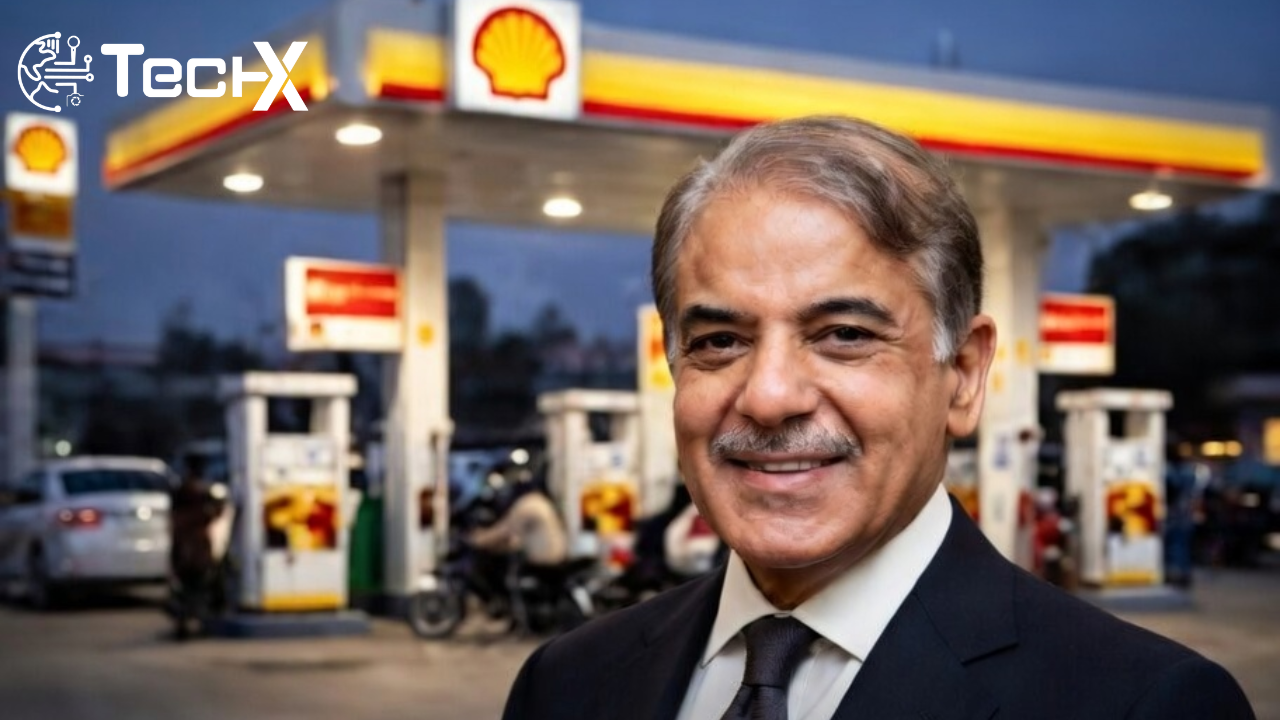
Prime Minister Shehbaz Sharif recently made an important decision regarding fuel prices in Pakistan. Despite strong recommendations from relevant authorities to significantly increase petrol and diesel prices, the government chose not to pass this burden onto the public. This move came at a time when global oil prices are rising sharply due to international tensions, making it increasingly difficult for countries like Pakistan to manage fuel costs.
Proposed Increase in Fuel Prices
According to official details, the recommended increase in petrol and diesel prices was quite substantial. If implemented, it would have caused a major surge in transportation costs, ultimately affecting the prices of everyday goods and services. However, keeping in mind the already high inflation and economic pressure on citizens, the government decided to hold prices steady for now.
Financial Burden on Government
To make this possible, the federal government announced that it would absorb a financial burden of approximately Rs56 billion. This amount represents the difference between the actual cost of fuel in the international market and the price at which it is being sold domestically. Essentially, the government is providing a subsidy to protect the public from immediate price shocks.
Relief for the Public
This decision reflects an attempt to provide short-term relief to the masses. In a country where inflation has already reduced purchasing power, any increase in fuel prices directly impacts daily life. Transport fares, food prices, and utility costs are all closely linked to fuel rates, so controlling them even temporarily can offer some breathing space to the public.
Concerns About Sustainability
However, this approach also raises concerns about sustainability. Continuously absorbing such large financial burdens is not easy for any government, especially one already facing fiscal challenges. Experts believe that while this decision may be beneficial in the short term, it cannot be maintained for a long period without putting pressure on the national budget.
Global Factors Behind Price Hike
Another important factor behind rising fuel costs is the ongoing global situation. International oil prices are heavily influenced by geopolitical tensions, especially in oil-producing regions. As these tensions increase, supply uncertainties push prices higher, making it harder for importing countries like Pakistan to manage expenses.
Future of Fuel Prices
Looking ahead, the future of fuel prices remains uncertain. If global oil prices continue to rise, the government may eventually be forced to revise local fuel rates. Alternatively, if international markets stabilize, there may be some room to maintain or even reduce prices. Much will depend on external factors beyond Pakistan’s direct control.
Conclusion
In conclusion, the government’s decision to not increase fuel prices and instead absorb the Rs56 billion burden is a significant relief measure for the public. While it helps in the short term, it also highlights the economic challenges the country faces. The coming weeks will be crucial in determining whether this relief can continue or if adjustments will become unavoidable.