The convenience store industry is undergoing tremendous change and may lose enormous profits as the country transitions away from fossil fuel-powered vehicles.
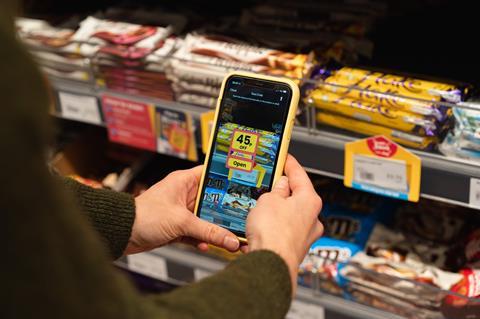
Many retailers and store chains are betting on mobile technology investments to mitigate financial losses by increasing sales to existing customers.
For many convenience stores, fuel sales account for a sizable portion of their revenue.
Instead of being a revenue stream that is expected to grow, the clock is ticking on the day when fossil fuels will no longer be used to power the majority of vehicles in this country. Several individual states, as well as the federal government, have announced target dates.
As a result, many convenience stores are forced to increase revenue elsewhere. Loyalty programs and customer engagement practices are receiving the most attention because they have little new to offer new customers.
Mobile strategies that cover everything from marketing and social media to loyalty programs, ordering, and payment are now required.
VentureBeat spoke with Daniel Kahan, loyalty lead at W. Capra Consulting Group, about convenience store investments in mobile technology and how they will improve the customer experience.
Q&A Sessions
Q1: Venture Beat: What do you believe are the features and capabilities that consumers expect from a mobile tech program at convenience stores?
Daniel Kahan: Payment and loyalty have become barriers to entry. Beyond that, flexibility must be the core of any mobile program. A retailer can offer any fancy features that they want connected car, order ahead. But if they do not allow the consumer to select how and when they wish to receive notifications and offers, how they wish to pay, etc., then the consumer will not leverage that channel.
Q2: Venture Beat: How would you describe the ideal use of mobile tech for marketing by convenience stores?
Kahan: The leaders in our industry are leveraging mobile technology for 1:1 marketing. They understand mobile not as a marketing channel but as a data collection channel that offers marketing opportunities.
This comes with the inherent understanding that the consumer’s screen is precious real estate, not to be spammed. Once a retailer has established a deep enough trust to meaningfully engage a consumer via mobile channels, the opportunities for data collection allow for idealized 1:1 marketing campaign.
Q3: Venture Beat: What is the ideal use of mobile technology for social media by convenience stores?
Kahan: In our view, the role of social media in a mobile program will vary by brand. Social media can often be something that companies participate in because they see their competitors doing so.
But the reality is that it often doesn’t translate to a measurable impact unless the company invests the time to do it right. If social media doesn’t play part in a brand strategy today, attempting to wedge social media into a mobile strategy likely won’t translate into meaningful or measurable conversions.
Q4: Venture Beat: What role can mobile technology best play in customer loyalty programs?
Kahan: The state of the industry is such that mobile and loyalty technology have merged. Though the initial hurdles of implementation have challenged retailers, there’s an ultimate symbiosis to this merging that has propelled the industry forward.
To read our blog on “Mobile App that can detect accurately COVID-19 by voice,” click here