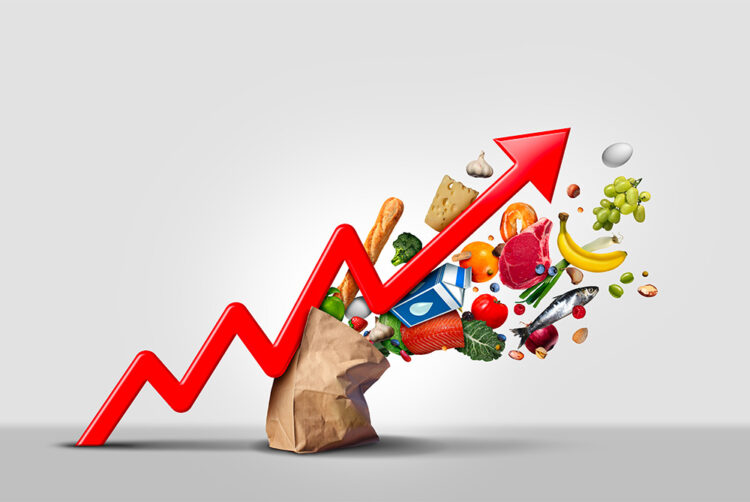
According to the World Bank, food prices in Pakistan have been rising for 11 straight months, significantly reducing household buying power by as much as 38%.
Rising Inflation and its Effects on Households Buying Power
According to the World Bank’s most recent “Food Security Update,” consumer price inflation (CPI) for food in Pakistan reached 47.2% in March 2023 on an annual basis, surpassing Sri Lanka’s 47.6% rate to rank second in South Asia.
CPI has been falling in Sri Lanka during the past few months, whereas it has been increasing in Pakistan.
While Pakistan’s CPI climbed from 45.1% to 47.2% over the same time period, Sri Lanka’s CPI increased from 49% to 47.6% in February.
In Pakistan, the CPI food inflation is predicted by the World Food Program (WFP) Market Monitor Report to be 43% in January 2023, with significant variations between commodities like onions (228%), wheat flour (121%), bananas (90%), rice (81%), eggs (80%), pulses (57-69%), and potatoes (57%).
Since food costs have been rising for 11 straight months, households’ buying power has been considerably impacted.
Government’s Efforts to Stabilize Wheat Market
The government of Pakistan approved a wheat purchase target of 1.80 million tons in February in order to stabilize the wheat market in the face of increased regional demand, constrained carryover supplies, and high domestic wheat prices.
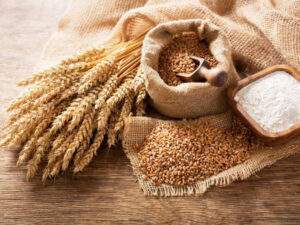
The cost of the uniform procurement was set at 3,900 rupees ($15) for every 40 kg.
The 200,000 tons of wheat that Pakistan got from Russia in response to the 2022 International Wheat Tender is now kept in storage facilities owned by Pakistan Agricultural Storage and Services Corporation Ltd.
Due to the significant burden that growing food costs place on Pakistani households’ ability to increase buying power and purchases, the country’s households need effective ways to reduce inflation and assure food security.
To read our blog on “With 2.89 percent, weekly inflation hits a 16-week high mark,” click here.