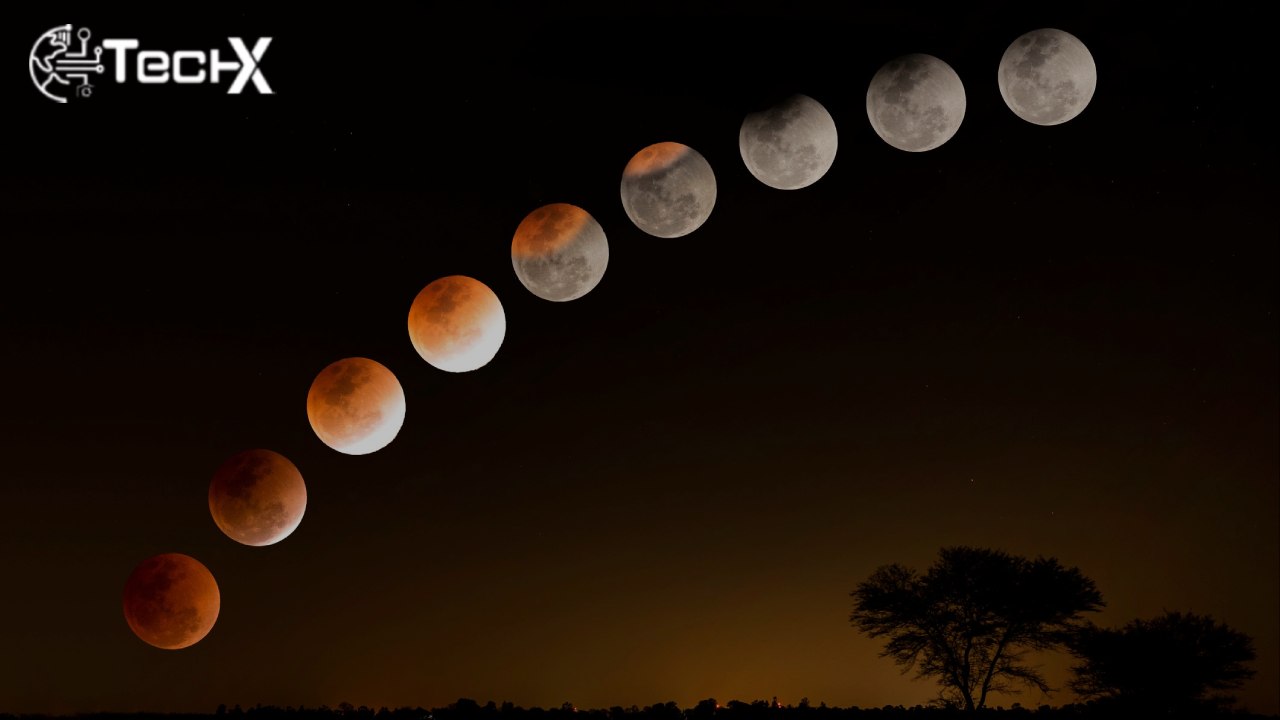
For centuries, people have lifted their eyes to the moon and read stories in its light. In 2026, the sky will offer a special gift once again. Stargazers will be able to watch the blood moon when Earth’s shadow fully covers the full moon. As sunlight passes through our atmosphere, it bends and softens, painting the moon in deep red or coppery brown shades. This slow and silent change creates a breathtaking view that feels both ancient and new. Many skywatchers have waited a long time for this moment, and the 2026 eclipse promises to be a memorable one.
What is a blood moon?
A blood moon happens during a total lunar eclipse. At this time, Earth moves directly between the sun and the moon. Earth’s atmosphere filters the sunlight, scattering blue light and allowing red light to reach the moon. This gives the moon its famous red glow. Nearly 29% of all lunar eclipses are total lunar eclipses. On average, Earth experiences two lunar eclipses each year, making them rare enough to feel special, yet common enough to remind us of the steady rhythm of the cosmos.
| Topic | Details |
|---|---|
| Event Name | Blood Moon |
| Eclipse Type | Total Lunar Eclipse |
| Date | March 2026 |
| Visibility Area | North America |
| Moon Color | Deep red or coppery brown |
| Cause of Red Color | Earth’s atmosphere filters sunlight |
| Duration | Several hours from start to end |
| Rarity | About 29% of lunar eclipses are total |
| Eclipses Per Year | 2 to 4 lunar eclipses worldwide |
| Special Note | Last total lunar eclipse until next year |
Blood Moon 2026 date and visibility
The next blood moon will occur in March 2026. This eclipse will be visible to skywatchers across North America. It is especially important because it will be the last total lunar eclipse visible from Earth until next year. For many people, this makes the event even more meaningful. It is a chance to pause, step outside, and watch the sky perform one of its oldest rituals.
Why does the moon look different each time?
The exact color of a blood moon can change. Volcanic ash, wildfire smoke, and dust in the atmosphere can make the moon appear darker or more intense. According to NASA, two to four lunar eclipses happen each year, and each one can be seen from about half of the planet. This means every blood moon carries its own unique beauty.