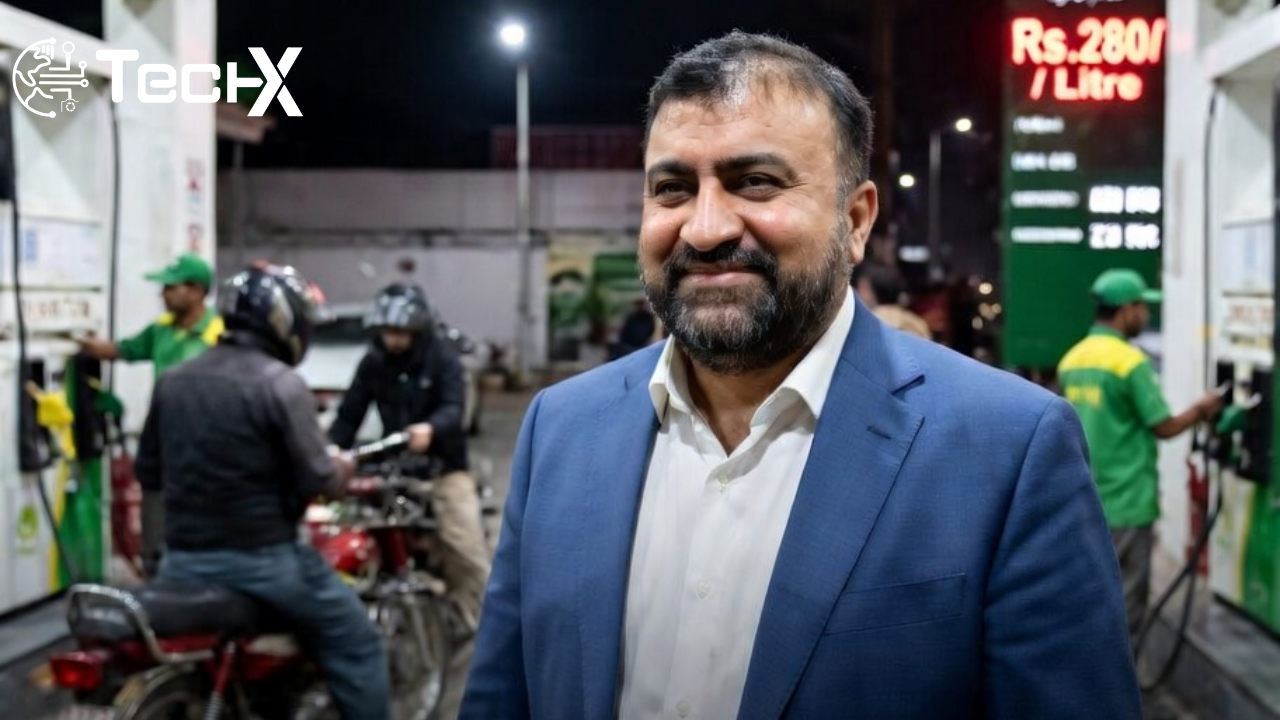
The Government of Balochistan has recently fixed the price of Iranian petrol at Rs. 280 per litre across the province. This step was taken after reports that local sellers were charging much higher rates, sometimes between Rs. 300 and Rs. 360 per litre. By setting a standard price, the government aims to control overpricing and protect consumers from unfair practices.
Source of Iranian Petrol
This petrol is usually brought informally from Iran into border areas of Balochistan. Due to its lower cost compared to officially imported fuel, it is widely used by residents in many districts. However, the absence of proper regulation had led to price manipulation, which forced authorities to intervene.
Government Enforcement Measures
The authorities have clearly stated that strict action will be taken against anyone selling petrol above the fixed rate. Local administration and law enforcement agencies have been directed to monitor the situation and ensure compliance. This shows the government’s seriousness in implementing the decision effectively.
Restriction on Distribution
Another key point of this policy is that Iranian petrol can only be sold and used within Balochistan. Its transportation to other parts of Pakistan has been restricted. This measure is intended to prevent disruption in fuel markets of other provinces and maintain regulatory control.
Impact of Rising Fuel Prices
Fuel prices in Pakistan have increased significantly due to global oil market changes. In comparison, Rs. 280 per litre is much cheaper than official petrol rates in other regions. This price difference explains why Iranian petrol is in high demand, especially in border areas.
Overall Significance of the Decision
Overall, this decision is a short-term measure to stabilize fuel prices and provide relief to the public. While it helps control the local market, long-term solutions would require better regulation of fuel imports and a more structured energy policy across the country.