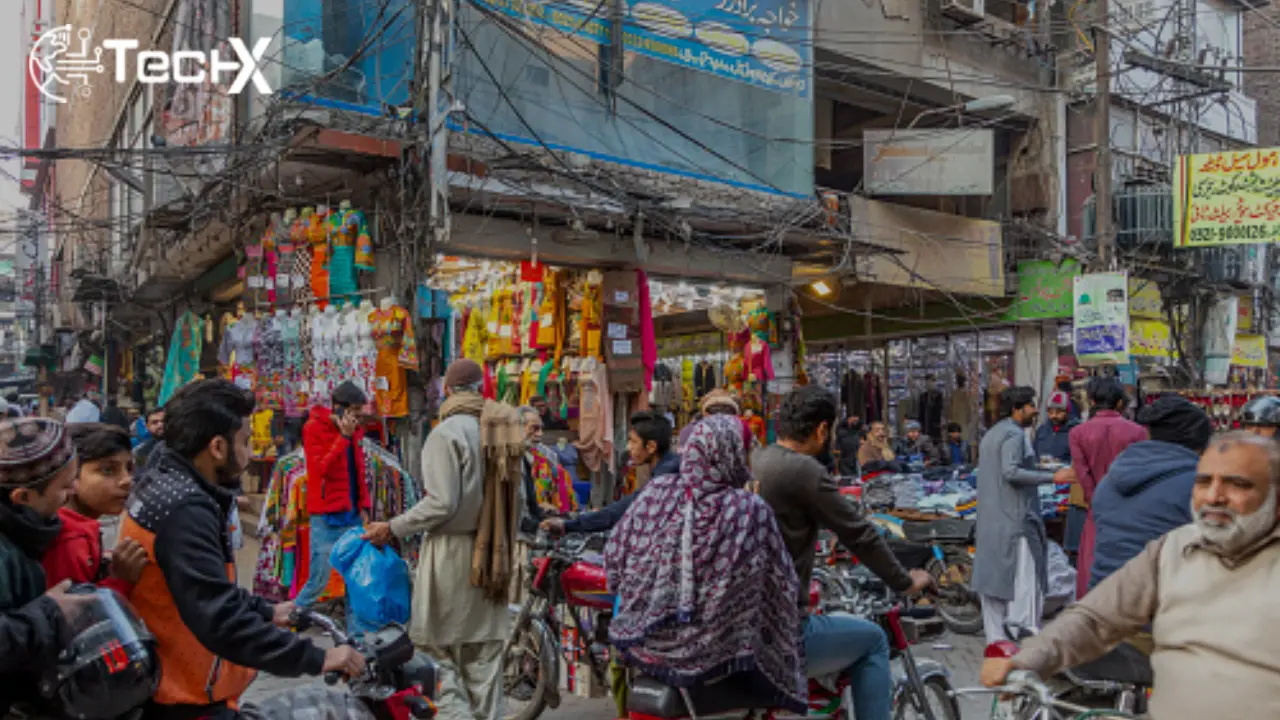
Anarkali Bazaar is not just a shopping place in Lahore; it is a living memory of history. Located in the heart of the city, this bazaar carries the colours, sounds, and stories of centuries. Its narrow streets, old buildings, and busy shops reflect the rich architectural heritage of the Mughal and British periods. Walking through Anarkali feels like stepping into a flowing river of time where the past and present move together in harmony.
Overview of Anarkali Bazaar
Anarkali Bazaar is one of the oldest bazaars in South Asia. It is divided into two main parts: Old Anarkali and New Anarkali. Each part has its own charm and identity, yet both are deeply connected through culture, trade, and history.
Old Anarkali
Old Anarkali is famous for its traditional food. The aroma of spices, fried snacks, and sweet dishes fills the air. Small food stalls and old restaurants serve items that have been loved for generations.
New Anarkali
New Anarkali is well known for shopping. It offers traditional dresses, shoes, jewellery, bangles, sports goods, and handicrafts. Inside New Anarkali, there are smaller market areas such as Bano Bazaar, Dhoni Ram Lane, and Paan Gali, each known for specific items.
Difference Between Old and New Anarkali
| Feature | Old Anarkali | New Anarkali |
|---|---|---|
| Famous for | Traditional food | Clothes, jewellery, handicrafts |
| Atmosphere | Calm and cultural | Busy and colorful |
| Main visitors | Food lovers | Shoppers, especially women |
Mughal Influence on Architecture
The Mughal era left a deep mark on Anarkali Bazaar. The layout of the streets, the arches, and the use of bricks reflect Mughal design. The most important Mughal structure linked to the bazaar is the Tomb of Anarkali.
The Story of Anarkali
According to popular accounts, Anarkali was a slave girl who fell in love with Prince Salim, later Emperor Jahangir. Emperor Akbar did not approve of this relationship and allegedly ordered her to be immured alive. Though some historians doubt this story, it remains deeply rooted in local tradition.
The bazaar is spread around the tomb of Anarkali, which is named after her. It is said that Salim wanted to keep her memory alive, so he laid the foundation of the bazaar around her tomb.
Anarkali Tomb and Mughal Design
The tomb has Mughal architectural features such as symmetry, domes, and detailed brickwork. A Persian couplet attributed to Jahangir is engraved on the tomb, expressing his sorrow and love.
| Mughal Architectural Elements | Description |
|---|---|
| Domes | Rounded and graceful structures |
| Arches | Wide entrances and corridors |
| Brickwork | Strong yet decorative patterns |
British Colonial Touch
During British rule, Anarkali Bazaar saw changes that added a colonial layer to its architecture. The British introduced straight roads, organised shop fronts, and buildings with high ceilings and large windows.
Some shops and structures still show British-style balconies and wooden shutters. This mix of Mughal curves and British straight lines gives Anarkali its unique look.
Blend of Two Eras
The true beauty of Anarkali lies in how Mughal and British designs coexist. This blend tells the story of Lahore’s journey through different empires.
Life Inside the Bazaar
Anarkali Bazaar is always alive. The streets grow more crowded as motorcycles pass through narrow lanes, creating an energetic scene. Shopkeepers welcome visitors with smiles, and bargaining is common and enjoyable.
Also Read: 5StarsStocks.com Review: A Complete Guide for Smart Investors
Women shoppers are especially drawn to the bazaar for clothes, bangles, henna, and shoes. Many stop at famous food points to enjoy Dahi Baray, Fruit Chaat, or fresh juice after shopping.
Daily Scenes of Anarkali
| Common Sight | Description |
|---|---|
| Street vendors | Selling fruits, dates, and snacks |
| Local landmarks | Neela Gumbad mosque with a blue dome |
| Shoppers | Carrying bags, enjoying food and culture |
Cultural Importance
What makes Anarkali special is its authentic atmosphere. It reflects the indigenous bazaar life of Lahore. The sounds of bargaining, the colours of fabrics, and the smell of food create a complete cultural experience.
This bazaar welcomes people from all backgrounds. It shows the length and breadth of Pakistan through its products and people.
Generations of Shopkeepers
Many shop owners in Anarkali belong to families that have worked there for generations. Their shops are not just businesses; they are family legacies. Alongside them, street vendors show great skill in selling their goods with honesty and charm.
Sagheer sahib, who has been selling sweet yams for almost three decades, shared that former prime minister Zulfiqar Ali Bhutto took an interest in preserving the bazaar’s beauty. Former Punjab chief minister Pervaiz Elahi also addressed some market issues. Sadly, in recent years, attention from authorities has declined.
Famous Visitors and Popularity
Wazir, who has worked in the bazaar for about 55 years, recalls seeing many political families shopping here. The families of Nawab Amir Mohammad, Nawaz Sharif, and the Chaudhry brothers visited Anarkali because it was once the city’s main shopping hub.
The charm of old-patterned shops and hardworking people makes visitors fall in love with the place. First-time visitors often appear joyful, enjoying every moment.
Modern Challenges
In recent times, modern shopping malls and branded outlets have opened across Lahore. These places attract the wealthy class, often called the “Burger crowd.” Despite this, Anarkali Bazaar continues to stand strong, offering something malls cannot: history, warmth, and soul.
Conclusion
Anarkali Bazaar is more than a market; it is a mirror of Lahore’s past. Its architectural heritage reflects the grace of the Mughal era and the order of British times. Amid modern changes, Anarkali still breathes with life, tradition, and memory. Like an old song that never fades, it continues to welcome visitors, telling stories through its streets, walls, and people.