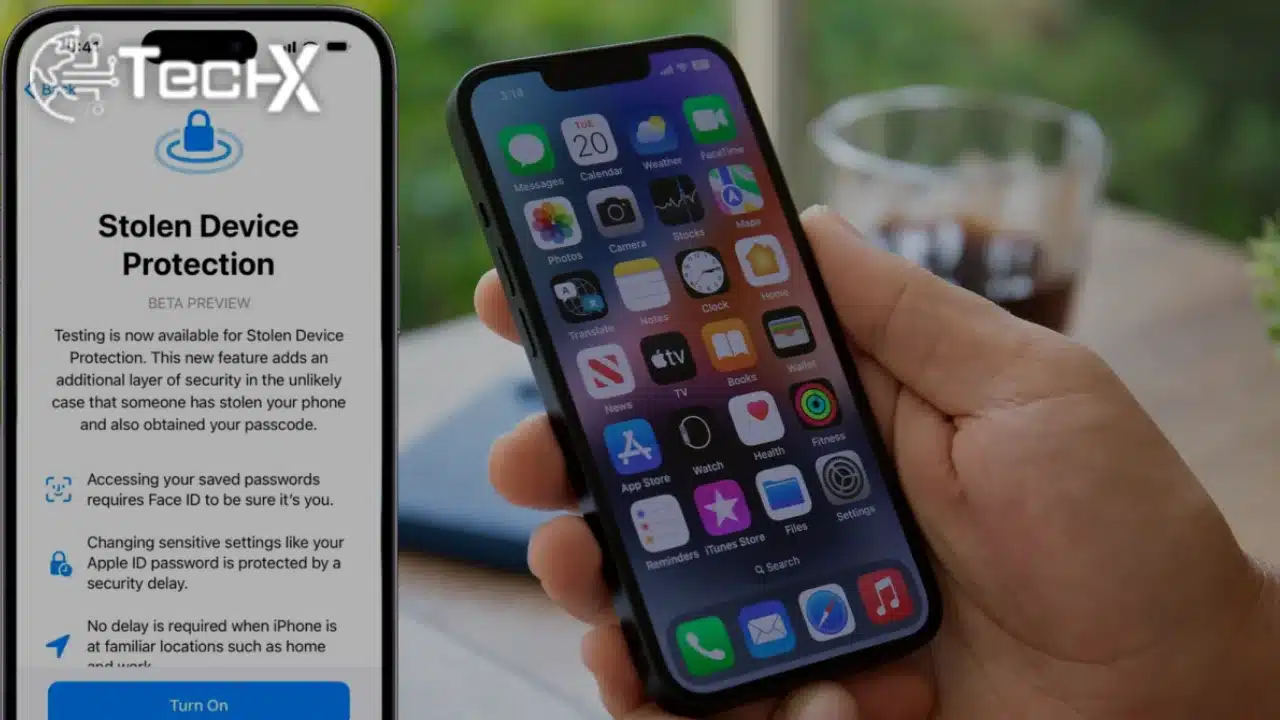
Apple’s iOS 18.1 has introduced an innovative security iPhone feature that reshapes device security by automatically restarting iPhones after extended periods of inactivity. This development, while primarily aimed at deterring theft, also presents new challenges for both criminals and law enforcement .
Unveiling Inactivity Reboot
The feature, known as “inactivity reboot,” activates when an iPhone remains locked for about four days, triggering a system restart. This action propels the device into a “Before First Unlock” (BFU) mode, where access is contingent upon entering the passcode initially used at setup. The inclusion of this feature significantly enhances security by ensuring that all data remains encrypted until the owner enters their passcode.
Law Enforcement’s New Hurdle
Initially unnoticed, law enforcement agencies discovered this feature when iPhones held for forensic analysis began restarting unexpectedly. This automatic reset limits the window during which investigators can access data unless the device is in an “After First Unlock” (AFU) state. Forensic expert Christopher Vance highlights the critical timing for accessing information before the device resets to maximize data retrieval.
A Deliberate Security Strategy
Far from a glitch, this security measure was deliberately integrated into iOS 18.1, confirmed by Dr.-Ing. Jiska Classen’s code analysis. The design is such that it enhances user privacy against potential threats, primarily focusing on preventing theft. The restart not only secures the device but also complicates prolonged unauthorized attempts to access the phone.
Also Read: Apple AI Notification Summaries
Criminals in the Crosshairs
According to Matthew Green, a cryptographer and associate professor, this feature primarily targets criminal activities, not law enforcement. The reset function disrupts the efforts of thieves who aim to exploit stolen devices over extended periods, thwarting common methods used to breach phone security. Green emphasizes the significant impact this feature has in combating phone-related crimes.
The Countdown Begins
Explained by Corellium’s Chris Wade, once an iPhone is locked, a four-day countdown begins, culminating in an automatic reboot. This stringent measure ensures that any unauthorized attempt to unlock the phone without the correct passcode results in a reset, essentially setting a hard stop for accessing the device without proper authentication.
Balancing Security and Investigation
While this update significantly bolsters user privacy and security against theft, it also complicates forensic investigations. Law enforcement agencies now face a tighter timeframe to extract data from seized devices, highlighting a delicate balance between enhancing user security and facilitating legal investigations.
User Reactions and Implications
The introduction of the “inactivity reboot” feature has garnered mixed reactions from iPhone users. While many applaud Apple for enhancing the security and privacy of their devices, others express concerns about the inconvenience of needing to re-enter their passcode after an automatic restart, especially if forgotten. Despite these concerns, the overall sentiment leans positively, appreciating the added layer of protection against potential theft.
Challenges for Accessibility and Everyday Use
Despite the obvious security benefits of the “inactivity reboot” feature, it poses certain challenges for users, especially those who may not regularly interact with their devices or who have cognitive impairments that make remembering complex passcodes difficult. Accessibility advocates have raised concerns that such features, while securing devices from external threats, might unintentionally lock out legitimate users. Apple may need to consider these aspects and possibly introduce alternative authentication methods that maintain security without compromising user accessibility.
Enhancing Security without Compromising Usability
To address potential user frustrations and legal concerns, Apple and other tech companies might need to explore ways to enhance device security while ensuring that devices remain user-friendly and accessible to all. This could involve developing smarter, context-aware security systems that can adapt based on the level of threat or the user’s situation, providing robust security without hindering legitimate use.
Conclusion: Apple’s New iPhone Feature Alerts Thieves
Apple’s “inactivity reboot” feature marks a significant step in smartphone security, specifically targeting theft and unauthorized access. While it introduces new challenges for law enforcement and raises questions about user accessibility and legal implications, it undoubtedly sets a new standard for mobile security. As technology continues to evolve, so will the strategies for protecting it, necessitating ongoing dialogue and innovation to ensure that security enhancements like these effectively balance protection with practicality. Apple’s commitment to user privacy continues to influence the broader tech industry, prompting a reevaluation of how security measures are implemented in our increasingly digital world.