
Pakistan EV policy is moving from paper to road. Three big things happened this week: Bestway Group signed a landmark deal with China’s Geely Auto Group, the federal government confirmed a new Auto Policy for August 2026, and fresh Senate briefings showed Pakistan still has its sights set on 2.2 million electric vehicles by 2030. Together, these moves signal the most active period the country’s car market has seen in years.
Bestway and Geely Team Up to Assemble EVs in Karachi
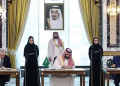
Bestway Group has entered into a strategic partnership with Geely Auto Group for the distribution and assembly of Geely vehicles in Pakistan. Under the agreement, Bestway’s subsidiary, Bestway Automotive (Private) Limited, will act as the sole authorised distributor of Geely products in the country.
The first phase will see Geely vehicles arrive as completely built units (CBUs), letting customers get their hands on the brand before local assembly begins at Bestway’s existing plant in Karachi. This two-step approach is smart: it lets the brand build a name while the local supply chain catches up.
The agreement was signed at Geely’s headquarters in Hangzhou, China.
Which Geely Cars Are Coming to Pakistan?
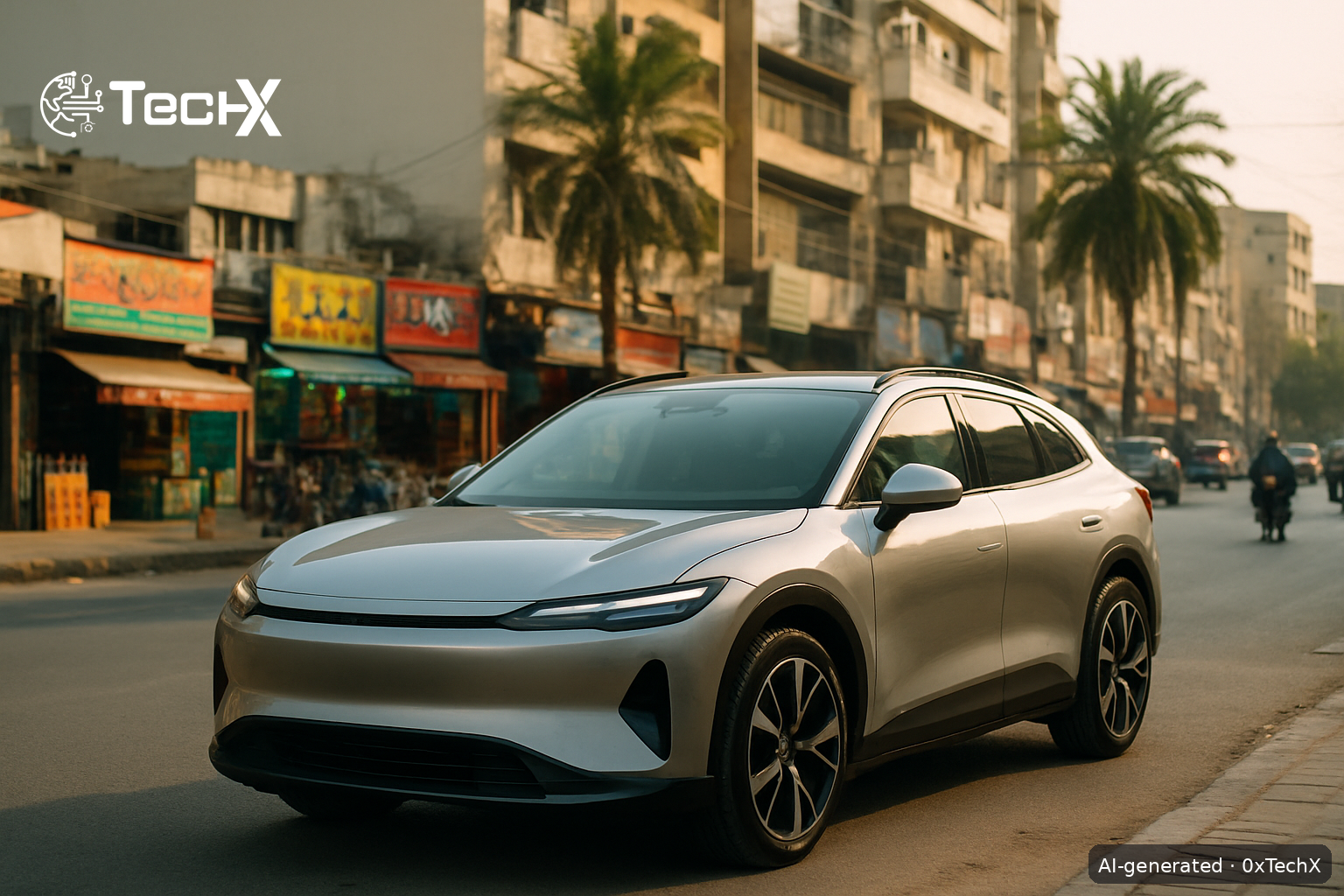
The lineup planned for Pakistan includes the Geely EX5 all-electric SUV, the Geely EX2, China’s best-selling passenger vehicle in 2025, and the Geely Starray EM-i, a plug-in hybrid SUV that holds the Guinness World Record for the lowest fuel consumption in its category.
The EX5 is the higher-end pick. It runs on a 60.2 kWh LFP battery paired with a 160 kW motor. It goes from 0 to 100 km/h in 6.9 seconds and offers a range of up to 530 km under the CLTC cycle. Its battery charges from 10% to 80% in just 20 minutes on a DC fast charger.
The EX2 is the more affordable daily driver. It is a compact EV hatchback that sits under the Geely Galaxy sub-brand. In China, where it is sold as the Geome Xingyuan, it became the country’s best-selling car of any kind in 2025, outselling even the Tesla Model Y. It features a 39.4 kWh LFP battery and a rear-wheel-drive motor producing 85 kW and 150 Nm of torque.
Bestway said the official launch date and pricing for the two models in Pakistan have not yet been finalised and will be announced at a later stage. The expected window, based on company communications, is the third quarter of 2026.
The two companies said the collaboration is expected to expand over the long term, with plans to increase localisation, strengthen Pakistan’s automotive supply chain, promote skills development, and generate employment.
Geely is not a small player. The company is one of China’s largest privately owned automakers and operates a global portfolio that includes brands such as Volvo, Lotus, Zeekr, and Lynk and Co, with investments across automotive and smart mobility technologies. For Pakistani buyers who want a proven global brand, that pedigree matters. Learn more about Geely Auto Group’s global vehicle range on their official site.
A New Auto Policy Arrives in August
The Bestway-Geely news lands at exactly the right time, because the government is also about to rewrite the rules. The federal government is expected to unveil Pakistan’s new Auto Policy in August, with Prime Minister Shehbaz Sharif directing officials to prepare an investor-friendly framework aimed at attracting fresh investment and expanding local vehicle manufacturing.
Officials are planning measures to accelerate the adoption of electric vehicles (EVs), plug-in hybrid electric vehicles (PHEVs), and hybrid vehicles through targeted incentives. The policy is also expected to propose a carbon tax on petrol-powered and hybrid vehicles as part of Pakistan’s broader climate strategy.
The new framework is expected to introduce international safety standards for locally manufactured vehicles to improve quality and align the industry with global practices.
While the final version has yet to be approved by the federal cabinet, industry stakeholders are closely watching the policy, as it could significantly impact vehicle prices, EV adoption, local manufacturing, and consumer choices in the coming years.
What this means for everyday buyers: petrol cars may get more expensive to register and run, while EVs and PHEVs become the cheaper, more supported option. If you are thinking about your next car, the August announcement is worth waiting for before you sign a booking form.
Pakistan EV Policy Goals: 2.2 Million by 2030
Zoom out and the big picture becomes clear. Pakistan is aiming for 2.2 million electric vehicles on the road by 2030, according to a briefing presented to the Senate Standing Committee on Industries and Production. The target is part of the broader New Energy Vehicle (NEV) Policy 2025-30, which seeks to accelerate EV adoption, reduce fuel imports, and strengthen local manufacturing.
Under the NEV Policy, the government is targeting 30% of all new vehicle sales to be electric by 2030. Officials estimate the transition could save 2.07 billion litres of fuel annually, generate around $1 billion in foreign exchange savings each year, and reduce carbon emissions by 4.5 million tonnes.
The numbers on the ground show real but early momentum. More than 12,800 electric vehicles and nearly 160,000 electric motorcycles have already been manufactured in Pakistan, reflecting the growing momentum of the country’s emerging EV industry. Most of that growth has come from two- and three-wheelers, not cars. The Bestway-Geely deal is one of the first serious pushes into the four-wheel EV space.
What About Charging?
Getting EVs on the road is one challenge. Charging them is another. To support the growing EV fleet, the government is expanding charging infrastructure. The policy envisions 3,000 EV charging stations nationwide by 2030, alongside battery-swapping facilities and updated building codes requiring EV charging points.
Senators raised a pointed concern during the committee briefing. One senator noted that Karachi alone would require approximately 4,000 to 5,000 charging stations, well above the 3,000 planned for the whole country. That gap is one of the sharpest coverage gaps in the current plan, and it is something the incoming Auto Policy will need to address.
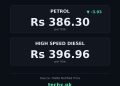
The good news on running costs: EVs cost around PKR 840 per 100 km compared to PKR 2,600 per 100 km for petrol vehicles. That saving is real and immediate for any buyer who switches.
Subsidies Already in Play
To encourage adoption, the government has allocated Rs 9 billion in subsidies for two- and three-wheeler electric vehicles. The payback period for an electric bike, despite a higher initial cost, is estimated at just under two years due to fuel cost savings, for example, if an electric bike costs Rs 150,000 more than its petrol counterpart, that extra cost can be recovered within 22 months through savings on fuel.
For the bigger picture on Pakistan’s government EV targets, you can read the official NEV Policy briefing on the Pakistan Information Division website.
What This All Means for Pakistani Car Buyers
Three forces are now pushing in the same direction at the same time. A global brand (Geely) has picked a local partner (Bestway) with an existing Karachi plant. A new Auto Policy in August will likely make petrol cars more expensive to own and EVs cheaper. And a national target of 2.2 million EVs gives industry confidence that the government is serious.
The missing piece, and the one to watch, is charging infrastructure. Until charging is as easy as filling up with petrol, many buyers will hesitate. The August Auto Policy and the NEV Policy’s 3,000-station target are both steps in the right direction, but Karachi alone may need more stations than the whole national plan currently covers. That is the real test of whether Pakistan’s EV push becomes a full market shift or stays limited to early adopters.
Frequently Asked Questions
What Geely cars are coming to Pakistan?
Geely plans to bring three models: the EX5 all-electric SUV, the EX2 electric hatchback (China’s best-selling car in 2025), and the Starray EM-i plug-in hybrid SUV. The EX5 and EX2 will arrive first, expected in Q3 2026, as CBU imports. Local assembly at Bestway’s Karachi plant will follow.
What is the new Pakistan Auto Policy in August 2026?
The government is expected to release a new Auto Policy in August 2026, covering EV and PHEV incentives, international safety standards for local cars, and a proposed carbon tax on petrol-powered vehicles. The final version still needs cabinet approval before it becomes law.
What is Pakistan’s EV target for 2030?
Pakistan’s NEV Policy 2025-30 targets 2.2 million electric vehicles on the road by 2030, with 30% of all new vehicle sales being electric by that year. The government also plans 3,000 EV charging stations nationwide to support the fleet.
How does the Pakistan EV policy help regular buyers?
Subsidies of Rs 9 billion have been set aside for electric two- and three-wheelers. Electric motorcycles cost about Rs 840 per 100 km to run versus Rs 2,600 for petrol bikes. Customs duty and sales tax exemptions on EV parts are already in place, and the coming Auto Policy is expected to add more incentives for four-wheel EVs and PHEVs.