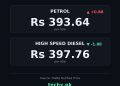

Pakistan’s economic landscape is currently facing a severe strain as the national weekly oil import bill has officially surged to $800 million. This figure represents a staggering increase from the previous baseline of approximately $300 million per week. Prime Minister Shehbaz Sharif confirmed these figures during a federal cabinet meeting in late April 2026, highlighting the immense pressure this places on the national treasury.
Impact of Middle Eastern Geopolitical Conflict
The primary catalyst for this financial burden is the escalating conflict in the Middle East, which has caused major disruptions to global energy supply chains. Specifically, tensions and military strikes affecting the Strait of Hormuz have paralyzed the flow of oil, leading to a historic supply shock. As a country heavily reliant on imported energy, Pakistan is directly bearing the brunt of these international market fluctuations.
World Bank 2026 Global Projections
The April 2026 Commodity Markets Outlook by the World Bank supports these local findings, projecting that global energy prices will surge by 24% this year. This is expected to be the largest oil supply shock on record, pushing prices to their highest levels since the 2022 energy crisis. These global trends are the driving force behind the near-tripling of Pakistan’s weekly fuel expenditures.
Strain on Foreign Exchange Reserves
This sudden spike in costs has significantly impacted the economic stability Pakistan worked to achieve over the past two years. The necessity of paying $800 million every week is depleting foreign exchange reserves at an accelerated rate. This development poses a fresh challenge to the government’s efforts to manage inflation and maintain currency stability amidst an increasingly volatile global market.
Domestic Fuel Supply and Government Outlook
Despite the high financial costs, the government has stated that the domestic supply of fuel remains “satisfactory” for the time being. This is partly due to a global decline in consumption and strategic management of the supply-demand balance within the country. However, the long-term outlook remains dependent on the resolution of regional conflicts and the stabilization of international oil prices.