
The International Monetary Fund (IMF) has advised Pakistan to ensure that all public sector entities maintain their funds within a Treasury Single Account (TSA). This recommendation is part of broader efforts to improve fiscal discipline and strengthen financial management in the country.
Table of Contents
TogglePurpose of the Treasury Single Account
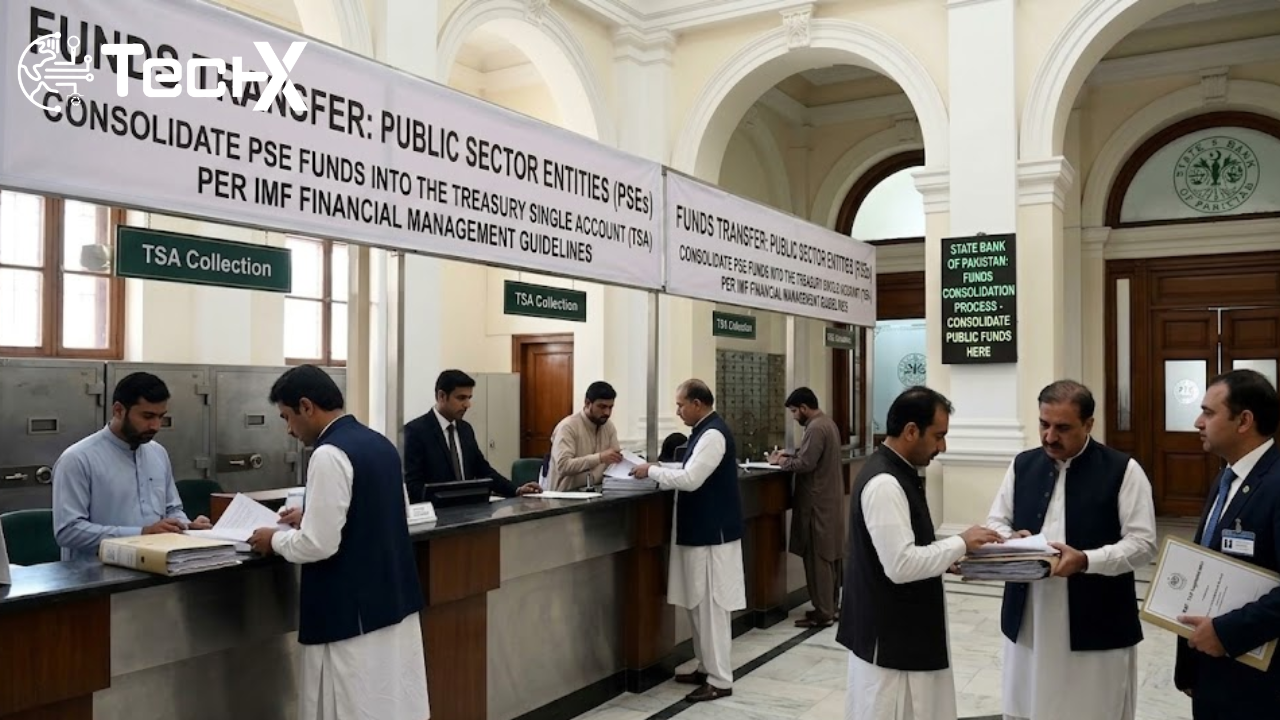
The Treasury Single Account system requires government institutions to keep all their financial resources in a centralized account, typically managed by the State Bank of Pakistan. This helps the government maintain better control over cash flows and reduces the fragmentation of public funds across multiple commercial banks.
Improving Transparency and Accountability
One of the key objectives of the TSA system is to enhance transparency in public financial management. By consolidating government funds, authorities can more effectively monitor spending, reduce idle balances in commercial banks, and ensure that public money is used more efficiently.
IMF Focus on Fiscal Discipline
The IMF has consistently emphasized the importance of fiscal discipline in Pakistan’s ongoing economic reform program. Implementing the TSA system is seen as a crucial step toward improving budget control, reducing inefficiencies, and strengthening overall governance in the financial sector.
Current Status of Implementation
Pakistan has already made progress in implementing the Treasury Single Account framework, but full compliance across all public sector entities is still in progress. Some institutions continue to hold funds in separate accounts, which limits the effectiveness of centralized cash management.
Conclusion
Overall, the IMF’s recommendation reflects its focus on improving financial discipline and transparency in Pakistan’s public sector. The full implementation of the TSA system is expected to enhance efficiency in government spending and strengthen economic stability in the long term.