
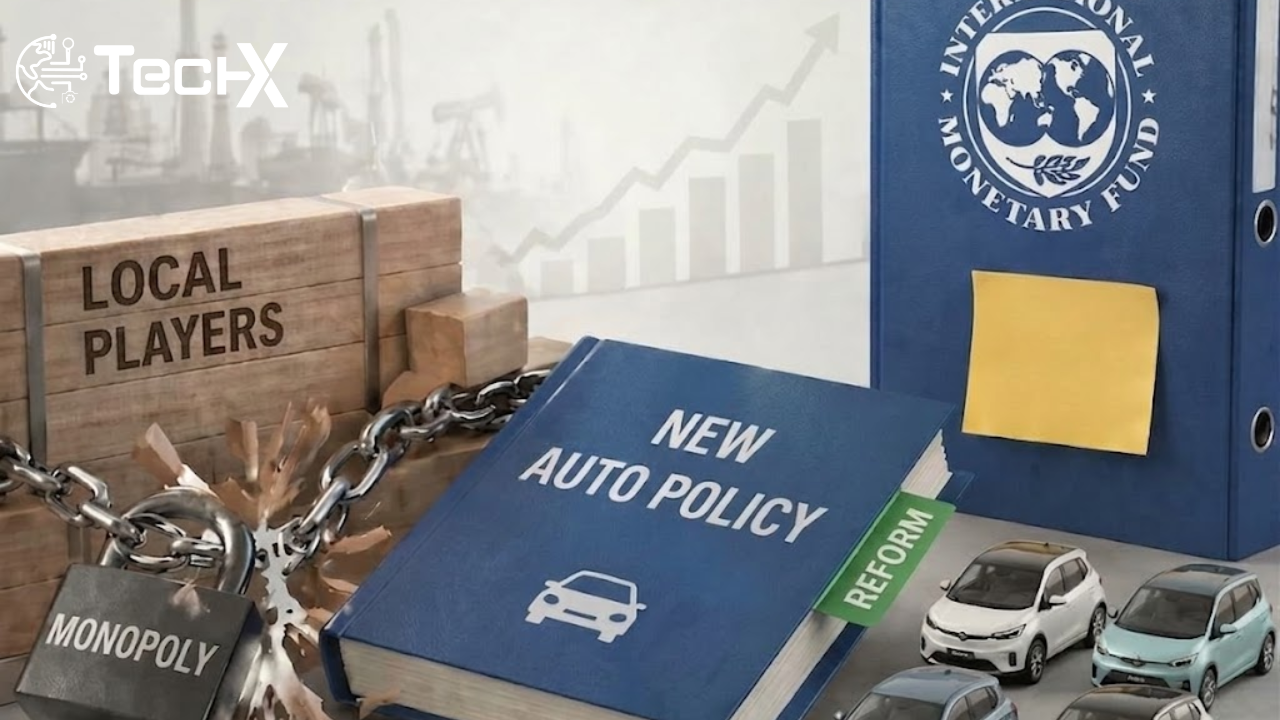
The International Monetary Fund (IMF) has mandated a complete overhaul of Pakistan’s vehicle import system as part of the current economic reform program. The primary objective is to replace informal “backdoor” import channels with a transparent, legally documented commercial framework. This move is designed to curb tax evasion and ensure that every vehicle entering the country contributes fairly to the national exchequer.
Abolishing the Personal Baggage and Gift Scheme Loopholes
One of the strictest measures introduced is the total abolition of the Personal Baggage Scheme. Previously, commercial dealers exploited this facility to import used cars under the names of overseas Pakistanis. To prevent further misuse, the government has also tightened the Gift and Transfer of Residence (TR) schemes:
-
One-Year Resale Ban: Imported vehicles cannot be sold within the first year of arrival.
-
Country-Specific Sourcing: Vehicles must be sourced only from the country where the sender is currently residing.
-
Increased Waiting Period: The gap between importing two consecutive vehicles has been increased from 700 to 850 days.
Phasing Out High Regulatory Duties by 2030
To make the market more competitive, the IMF has demanded a gradual reduction in the financial barriers that currently make imported cars unaffordable. The plan includes a strategic phase-out of the 40% Regulatory Duty (RD) currently applied to used cars.
-
Annual Reductions: The RD will be decreased year-on-year, aiming for 0% by the year 2030.
-
Customs Duty Cap: Customs duties for finished (CBU) units are expected to be capped at a maximum of 15%.
Mandatory International Safety and Quality Standards
While the taxes are being lowered, the technical requirements for imports are becoming much stricter. Under the new Motor Vehicle Development Act, all imported cars must now meet rigorous international safety and environmental benchmarks.
-
Compliance Certificates: Every used vehicle must possess a valid certificate proving it is roadworthy and meets global emission standards.
-
Consumer Protection: These measures ensure that imported cars provide better value and safety than the outdated models often produced by local monopolies.
Expansion of the Used Car Age Limit
In a significant shift that favors consumers, the government is planning to relax the age limit for imported used cars. Currently restricted to three years, the limit is set to increase to seven years starting after June 2027. This change, supported by the IMF’s push for market liberalization, will allow a wider variety of high-quality, affordable international brands to enter the Pakistani market, provided they pass the new strict safety inspections.
Impact on Local Monopoly and Market Competition
The ultimate goal of these IMF-led reforms is to break the long-standing monopoly of local car assemblers who have historically sold low-feature vehicles at premium prices. By making it legally easier but technically stricter to import cars, the policy creates a “level playing field.” Local manufacturers will now be forced to:
-
Improve Build Quality: Match international safety features to compete with imports.
-
Competitive Pricing: Reduce prices or offer better features to retain their market share.
-
Innovation: Shift toward modern, fuel-efficient, and eco-friendly vehicle technology.