

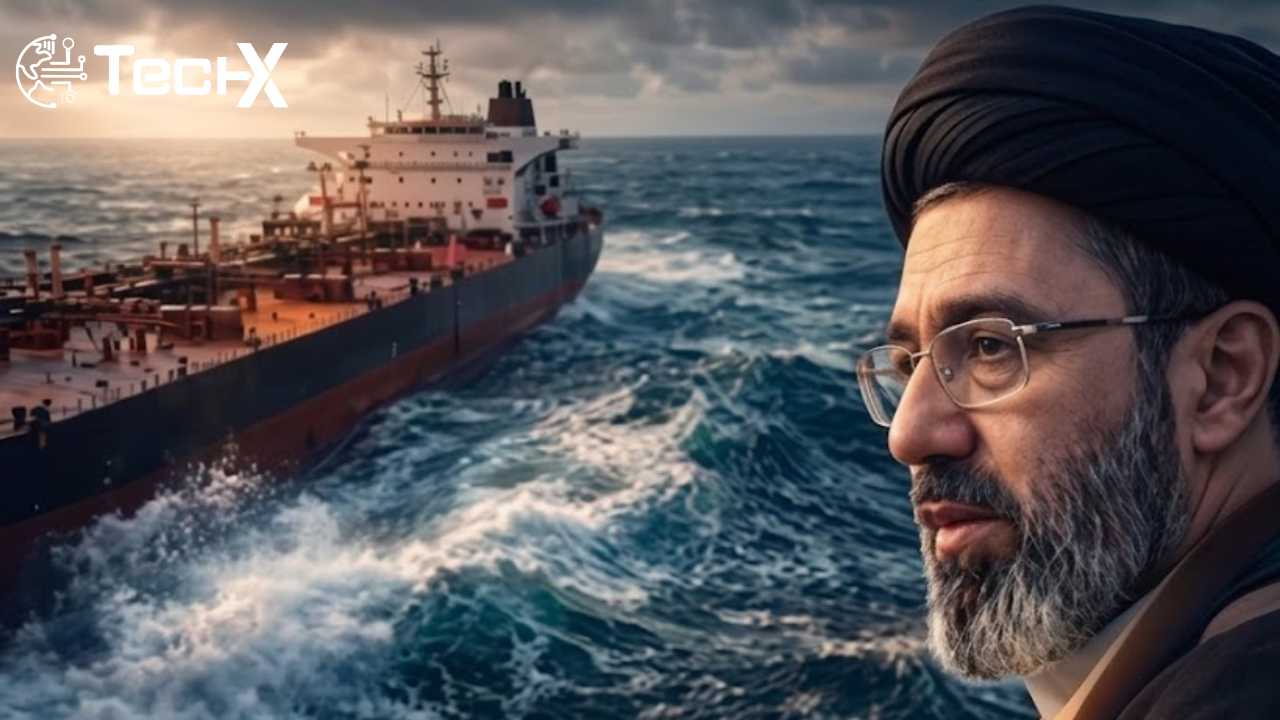
Iran has officially commenced the collection of transit fees from commercial vessels passing through the Strait of Hormuz, one of the world’s most vital maritime chokepoints. This development was confirmed by Iran’s Parliament Deputy Speaker, Hamidreza Haji Babaei, who announced in April 2026 that the initial revenues from these tolls have already been deposited into the Iranian Central Bank. This move marks a historic shift in how Tehran asserts its authority over the waterway, through which approximately 20% of the world’s petroleum and 35% of its liquefied natural gas (LNG) flow.
Variable Pricing and Revenue Collection Mechanisms
The fee structure is not based on a flat rate but is instead calculated based on the vessel’s size, the nature of its cargo, and the perceived security risk. According to maritime industry reports, large oil tankers are being charged between $1 million and $2 million per transit. To bypass international banking sanctions, Iran initially explored payments in Chinese Yuan and cryptocurrencies; however, recent state reports indicate that the first successful collections were processed in cash currency and officially recorded in Iranian Rials.
Legal Justification and Sovereign Claims
Tehran justifies these fees by framing them as “Security Service Charges,” claiming they are necessary to compensate for the cost of maintaining regional stability and repairing damages from recent military tensions. Legally, Iran argues that the shipping lanes fall within its territorial waters. While the international community cites the UN Convention on the Law of the Sea (UNCLOS) to guarantee “innocent passage,” Iran maintains that since it is not a full signatory to certain aspects of the convention, it has the sovereign right to charge for passage through its waters.
Enforcement by the Revolutionary Guard (IRGC)
The enforcement of this new toll regime is being handled by the Islamic Revolutionary Guard Corps (IRGC) Navy. Iranian naval units are reportedly monitoring all traffic entering the strait and requiring documentation of toll payments before allowing ships to proceed. Vessels that refuse to comply face the risk of being intercepted or detained. This active enforcement has turned the Strait of Hormuz from a free-access international waterway into a strictly controlled maritime border, raising the stakes for global shipping companies.
Global Economic Repercussions and Oil Prices
The immediate impact of these transit fees has been a sharp rise in global energy costs, with crude oil prices surging toward $100 per barrel. Shipping companies are now faced with a difficult choice: pay the expensive Iranian tolls or reroute their vessels around the Cape of Good Hope in Africa. Rerouting adds approximately 10 to 14 days to the journey and significantly increases fuel costs, which further fuels global inflation and disrupts the delicate balance of the international supply chain.
Geopolitical Tensions and Future Outlook
This move has escalated tensions with the United States and its allies, who have labeled the fees as “maritime piracy” and a violation of international law. The U.S. has responded by increasing its naval presence in the region, leading to fears of a direct military confrontation. Iran’s successful collection of this revenue serves as a powerful geopolitical statement, demonstrating its ability to leverage its geographic position to exert pressure on the global economy and counter international sanctions.