

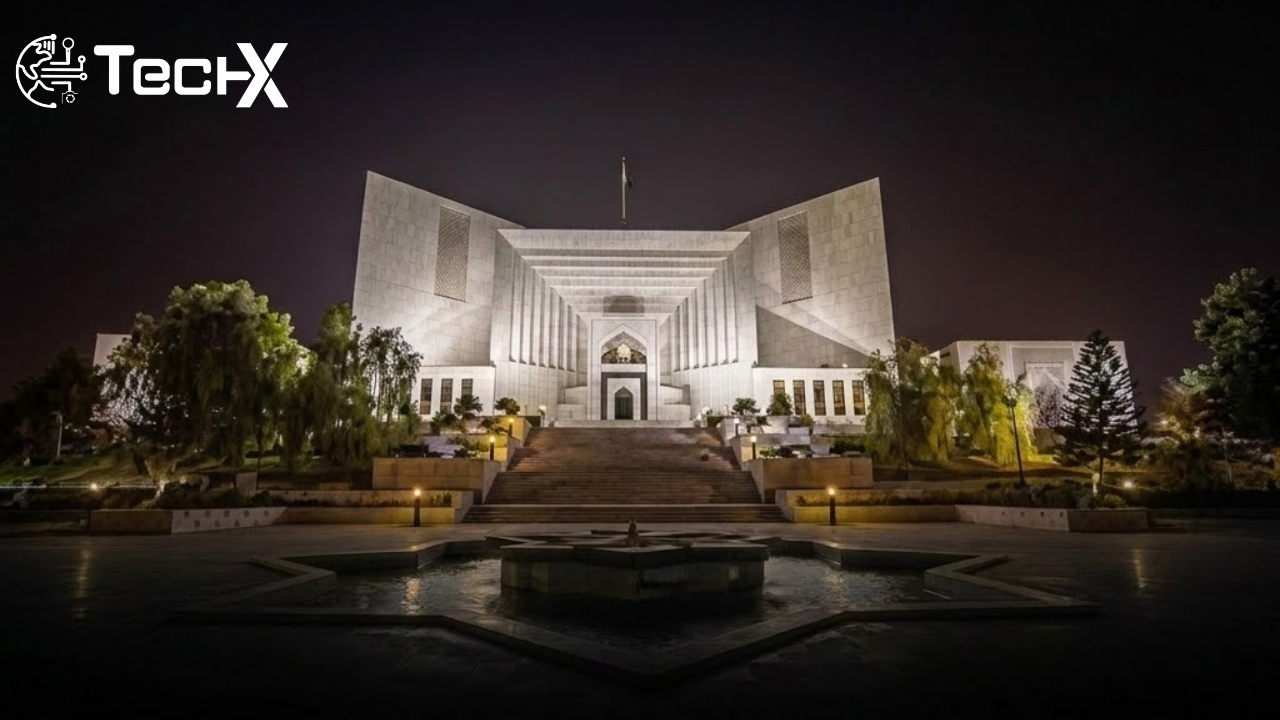
The Supreme Court of Pakistan has officially transitioned to a “Digital-First” judicial model to eliminate the massive case backlog. By replacing the 45-year-old regulatory framework with the Supreme Court Rules, 2025, the court has made electronic filing mandatory for all legal practitioners. This shift ensures that every petition is instantly digitized, categorized, and tracked through a secure central database.
Virtual Hearings and Provincial Integration
To enhance accessibility, the court has operationalized a high-tech Virtual Hearing System across all provincial registries. Judges at the Principal Seat in Islamabad can now conduct live, simultaneous proceedings with lawyers appearing from Karachi, Lahore, Peshawar, and Quetta. This integration has significantly reduced the financial burden on litigants who previously had to travel long distances for short hearings.
Real Time Data and Judicial Dashboard
A critical pillar of this modernization is the National Judicial Dashboard, which provides real-time analytics on case pendency. By using data-driven insights, the Chief Justice and administrative committees can identify bottlenecks in the legal process and redistribute resources where needed. This transparency is designed to restore public trust by making the status of every case visible to the citizens.
Artificial Intelligence in Case Management
The judiciary is also exploring the integration of Artificial Intelligence (AI) to assist in legal research and case categorization. AI tools are being tested to summarize lengthy historical records and flag urgent constitutional matters for immediate bench formation. This automated sorting helps judges focus on high-priority cases while routine administrative tasks are handled by the software.
Sustainable Infrastructure and Solar Power
To ensure these digital systems remain uninterrupted, the Supreme Court has initiated a massive Green Energy Project. Most courtrooms and server rooms are being shifted to solar power to prevent data loss during regional power outages. This infrastructure support is vital for maintaining the 24/7 e-filing portals and the digital evidence management systems now in use.
Paperless Archiving and Record Security
Finally, the shift toward a Paperless Environment has reached its peak with the barcoding of millions of legacy files. Every physical document is now linked to a digital twin, preventing the loss of records and making file retrieval instantaneous for court staff. This comprehensive modernization marks a new era where technology serves as the backbone of swift and transparent justice in Pakistan.