
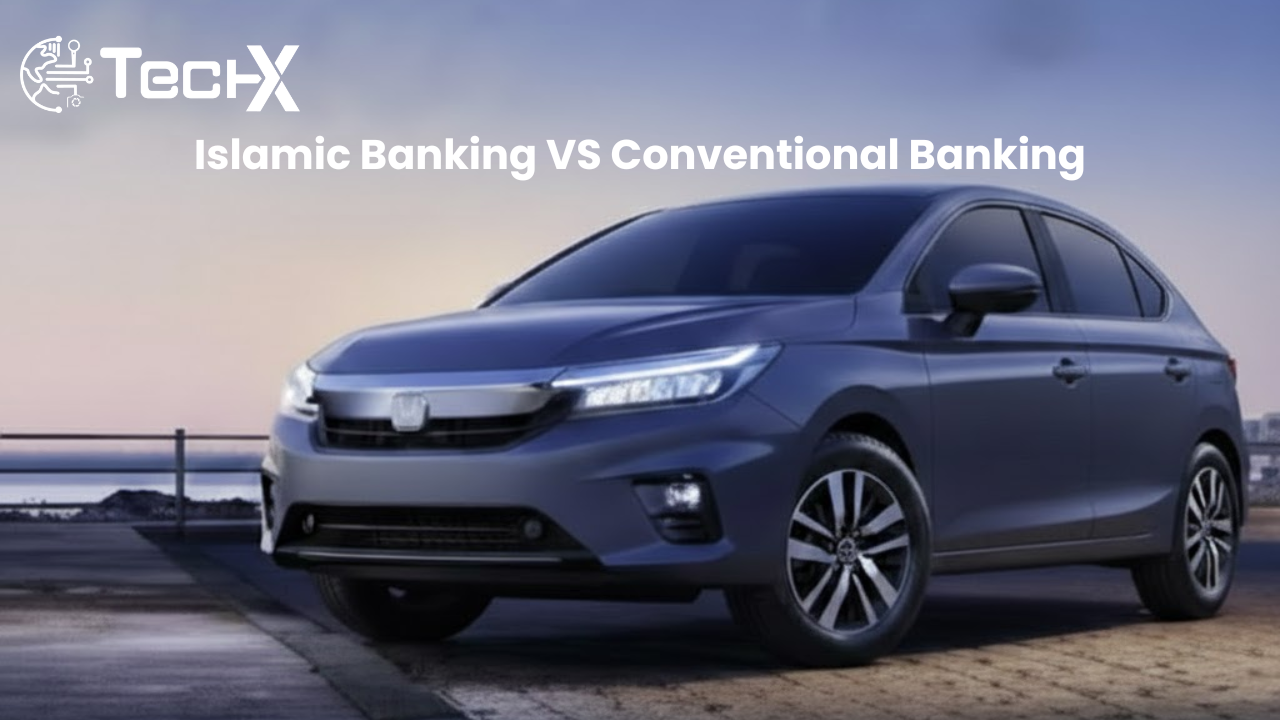
Car financing is very common in Pakistan, and banks offer two main systems Conventional and Islamic (Shariah-compliant). Both allow you to buy a car without paying full cash upfront, but their structure, charges, and rules are different.
Conventional Car Financing
- How it works: The bank gives you a loan to buy a car and charges interest (riba) on the borrowed amount.
- Repayment: You pay the loan in fixed monthly installments, which include principal + interest.
- Flexibility: Interest rate may be fixed or floating depending on the bank’s policy.
- Example Banks in Pakistan: HBL, MCB, UBL, Standard Chartered.
Advantages of Conventional Financing
- Easy and fast approval.
- Flexible repayment terms.
- Widely available across all banks
Disadvantages of Conventional Financing
- Interest may make the total cost higher.
- Not Shariah-compliant for those avoiding riba.
Islamic (Shariah-Compliant) Car Financing
- How it works: Instead of interest, banks use Murabaha (cost-plus sale) or Ijara (leasing) contracts
- Murabaha: Bank buys the car and sells it to you at a pre-agreed profit. You repay in installments.
- Ijara: Bank leases the car to you for a fixed rental. Ownership may transfer after the lease.
- Repayment: Fixed installments based on profit or lease rent; no interest charged.
- Example Banks in Pakistan: Meezan Bank, Bank Islami, Dubai Islamic Bank Pakistan, Habib Metro Islamic Banking.
Advantages of Islamic Financing
- Shariah-compliant, avoids riba.
- Transparent profit margin no hidden charges.
- Popular among religiously conscious customers.
Disadvantages of Islamic Financing
- Slightly more paperwork than conventional loans.
- Profit rate may be higher than conventional interest in some cases.
Key Differences Between Conventional and Islamic Car Financing
| Feature | Conventional Financing | Islamic Shariah Financing |
|---|---|---|
| Basis | Loan with interest riba | Sale or lease contract Murabaha or Ijara |
| Charges | Interest charged on loan | Profit margin agreed upfront |
| Ownership | Immediately owned by buyer | Owned by bank initially in Ijara or immediately in Murabaha |
| Shariah Compliant | Not compliant | Fully compliant |
| Repayment | Principal plus Interest | Fixed installment based on profit or lease rent |
| Availability | All banks | Only Islamic banks or Islamic windows of banks |
| Total Cost | Can vary with interest rates | Fixed and transparent depends on profit margin |
Additional Considerations
When choosing between the two, consider your financial situation and personal preference. Conventional financing may be suitable if you want quick approval and flexible options, while Islamic financing is better for those who want ethical, Shariah-compliant financing with fixed and predictable payments.
Another important factor is hidden fees and insurance policies. Some conventional loans include processing fees, late payment penalties, or higher interest if the payment is delayed. Islamic financing is generally more transparent, with profit margins set upfront and fewer surprise charges.
Which One Should You Choose?
Choose Conventional if you want
- Easier approval and flexible bank options.
- Less paperwork and faster processing.
- You are okay paying interest.
Choose Islamic if you want
- Shariah-compliant financing without riba.
- Transparent profit rates and ethical banking.
Willing to follow slightly longer process and specific bank policies.
Conclusion
In Pakistan, both systems are widely available, and the choice depends on your financial preference and religious considerations. Islamic car financing avoids interest and follows Shariah law, while conventional financing is simpler but involves interest charges. Knowing the difference and comparison helps you make an informed decision before buying a car.