

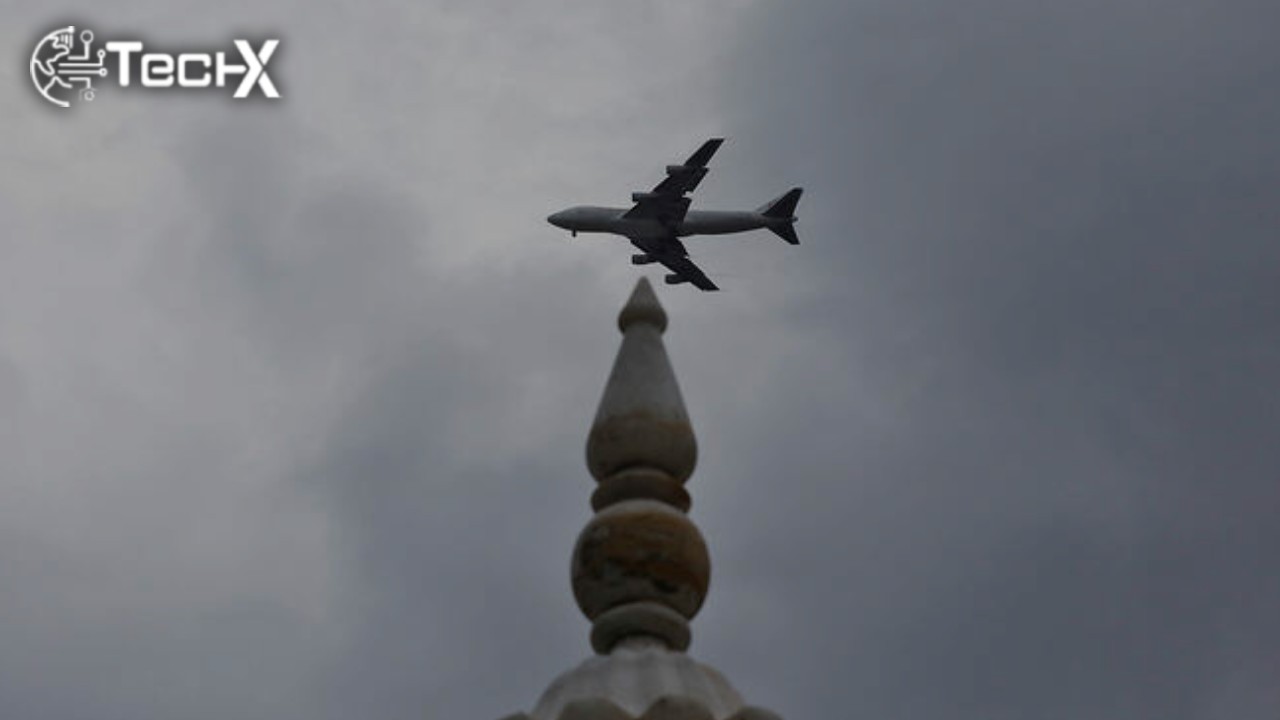
Pakistan has extended its ban on Indian aircraft until March 23. The decision applies to both civil and military planes. According to the Pakistan Airports Authority, the restriction covers the Karachi and Lahore Flight Information Regions. This means Indian aircraft are not allowed to use Pakistan’s airspace in these areas.
The ban continues to affect commercial flights and international air traffic between the two neighboring countries. Airlines now have to take longer routes, which increases travel time and fuel costs.
Why the Ban Was Imposed
The airspace closure was first announced after a deadly attack in India-held Kashmir in April 2025. The incident caused serious tensions between the two countries. After that, both sides closed their airspace to each other’s aircraft.
In May 2025, the situation became even more serious. Pakistan and India were involved in one of their most intense military conflicts in decades. Reports claimed that Pakistan shot down seven Indian jets during the clashes. Since then, relations have remained tense, and the airspace ban has continued.
Impact on Airlines and Passengers
The continued closure has disrupted normal air traffic. Airlines flying between India and other countries often use Pakistan’s airspace because it is the shortest route. Now, they must fly longer paths, which means higher fuel costs and longer travel times.
For example, Air India has started using alternative routes over Chinese airspace in Xinjiang. This helps reduce travel time and manage costs, but it still adds pressure on airline operations.
Passengers may also face higher ticket prices due to increased operational expenses. The aviation sector in Pakistan has also been affected by fewer international flights using its airspace.
Key Details at a Glance
| Detail | Information |
|---|---|
| Ban Extended Until | March 23 |
| Affected Aircraft | Civil and Military |
| Affected Regions | Karachi FIR and Lahore FIR |
| First Imposed | April 2025 |
| Reason | Kashmir attack and rising tensions |
| Major Impact | Flight delays, higher costs, and route changes |
What It Means Going Forward
The extension of the ban shows that air connectivity between Pakistan and India remains fragile. Until diplomatic relations improve, flight operations between the two countries are likely to stay limited. For now, airlines and passengers must continue adjusting to the new travel routes and higher costs.