
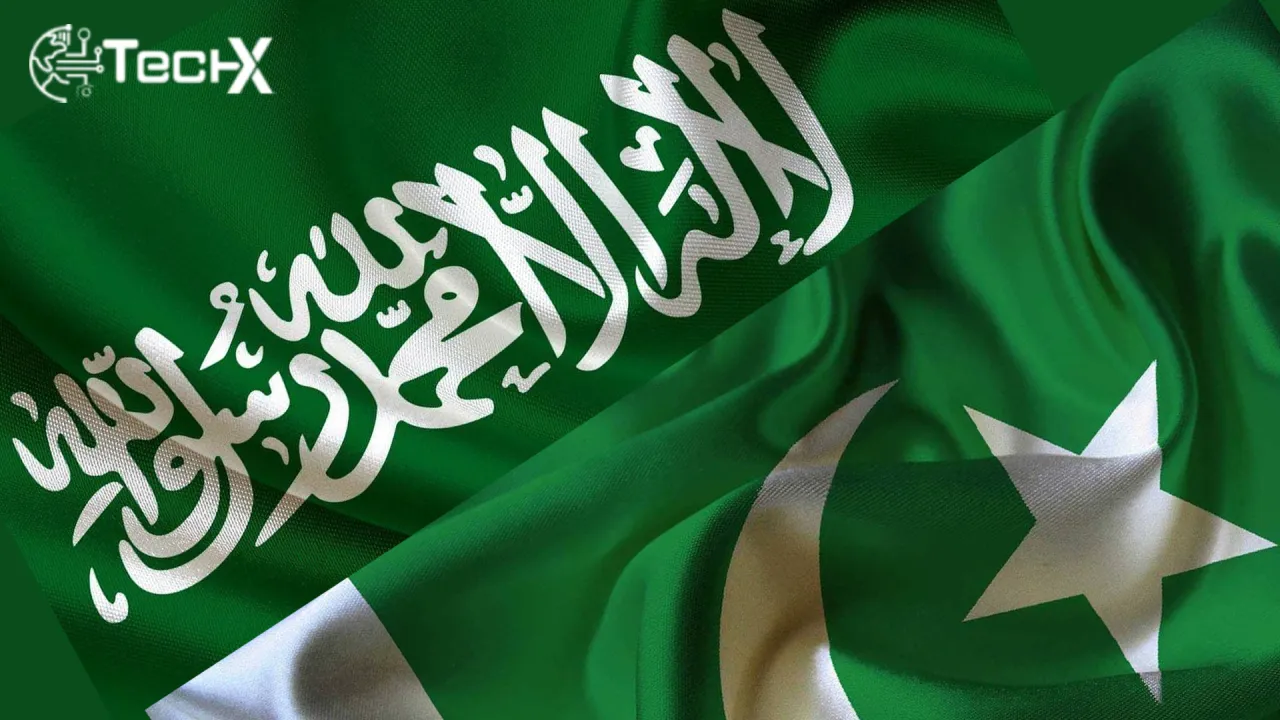
Pakistan is opening a fresh chapter with Saudi Arabia, seeking dignity of work and doors of learning for its people. Under the Saudi-Pakistani Economic Cooperation Framework, the federal government has asked all stakeholders to provide clear action plans. The aim is simple and lasting: to prepare workers and students for real demand while building trust, order, and shared growth between both nations, working ahead together.
Ministry Leads a Unified National Effort
At the heart of this effort stands the Ministry of Overseas Pakistanis and Human Resource Development. After steady talks with Saudi authorities, the ministry is shaping one unified plan focused on labor movement and student mobility. This careful approach respects the tradition of overseas work, yet looks forward, matching skills, ethics, and discipline with Saudi priorities under SPECF for stable progress in the coming years ahead together.
Clear Roles for Institutions and Regulators
To turn vision into action, all concerned bodies have been clearly guided. Federal secretaries, regulators, technical education boards, and professional councils must submit plans within their own duties. Each plan must show training paths, placement methods, and checks. This shared responsibility reflects an old belief that when institutions move together, the nation walks steadily toward opportunity abroad with hope, patience, purpose, balance, honour, skill, care, and resolve.
Also Read: Prime Minister Shehbaz Sharif Unveils Vision to Establish Pakistan as Regional IT Hub
Fair Recruitment and Skill Recognition
A major step within the policy is matching skills with Saudi demand. Mutual recognition of qualifications will help doctors, engineers, and technicians move smoothly. At the same time, recruitment reforms will promote fairness through licensing requirements, fee limits, audits, and strict enforcement against violators. Such an order protects workers, restores faith in the system, and echoes time-tested values of justice and accountability for all involved, always.
Stronger Protection for Overseas Workers
Worker welfare remains central to the plan. Joint labor dispute response cells will be formed by both countries. These cells will address complaints quickly and fairly, offering guidance rather than silence. For many families back home, this promise matters deeply. It blends modern systems with an old moral duty, to stand by those who earn abroad with honesty, patience, respect, trust, care, balance, pride, and hope.
Expanded Pathways for Pakistani Students
Students are also placed firmly within the vision. Plans call for smoother visa processes, set enrollment quotas, and single window digital systems linking both states. Young minds will gain clearer paths to learning. Language courses, bridge programs, and exchanges will prepare them well, honouring the past value of education while equipping them for modern classrooms and shared futures built on respect, culture, discipline, patience, and purpose.
Long-Term Support Beyond Placement
Beyond entry, long-term support is planned. Awareness drives, pre-departure training, and apprenticeships will reduce fear and confusion. Alumni networks and mentorship platforms will link graduates with employers across the Saudi-Pakistan corridor. Such ties grow quietly, like roots. They favour continuity over noise, ensuring careers mature steadily, and cooperation deepens with time and shared understanding, trust, patience, vision, balance, honour, skill, respect, and unity.
A Lasting Bond for Shared Prosperity
Taken together, the framework seeks more than short-term gains. It aims for lasting integration of people, skills, and systems. By aligning human capital with Saudi goals, Pakistan strengthens a historic bond. Jobs, education, and dignity move side by side. In this careful blend of tradition and progress, cooperation becomes a pillar, supporting families, economies, and friendships for generations to come with shared purpose, patience, and hope.