
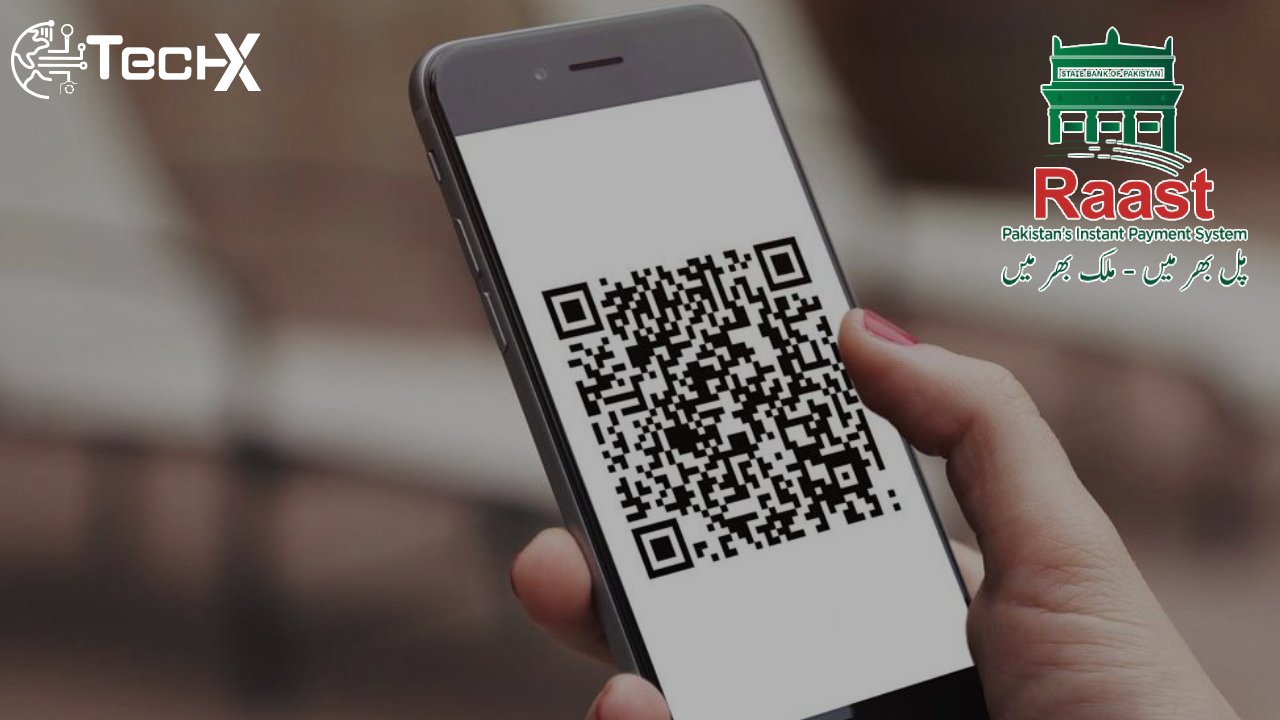
Pakistan is preparing for a major change in how people pay for goods and services. The government plans to make Raast QR payments legally mandatory at retail outlets nationwide. This decision marks a major step toward creating a cashless economy. Officials believe that this move will help accelerate digital adoption and promote transparency in financial transactions.
Drafting Legal Changes for Raast Adoption
A newly formed sub-committee is working on a draft amendment to the Payment Systems and Electronic Fund Transfers Act, 2007. This amendment will make it a legal requirement for all retailers to accept at least one form of digital payment. The main goal is to ensure that every shop or business is equipped with Raast QR payment options for smoother transactions.
Empowering Local Governments for Implementation
One of the key points of the amendment is to give local governments the power to enforce the rule. By linking the requirement to trade licenses, authorities can ensure that retailers follow the new policy. This approach will help speed up implementation in large cities like Karachi, Lahore, and Islamabad, where digital payment systems are already gaining popularity among consumers.
Immediate Steps for Retailers Nationwide
While the new law is still being finalized, local governments and regulators are not waiting. They have been instructed to issue temporary notifications that require retailers in their areas to start accepting Raast QR payments right away. This proactive move will help create momentum and allow both small and large businesses to prepare for the upcoming legal changes.
A Step Toward a Cashless Future
This initiative shows Pakistan’s determination to modernize its financial system. Making Raast QR payments compulsory will not only make buying and selling faster but also reduce the risks linked with handling cash. It will encourage transparency, improve tax collection, and help bring more people into the formal economy. The move signals a bright future for digital finance in Pakistan, empowering both consumers and businesses alike.