

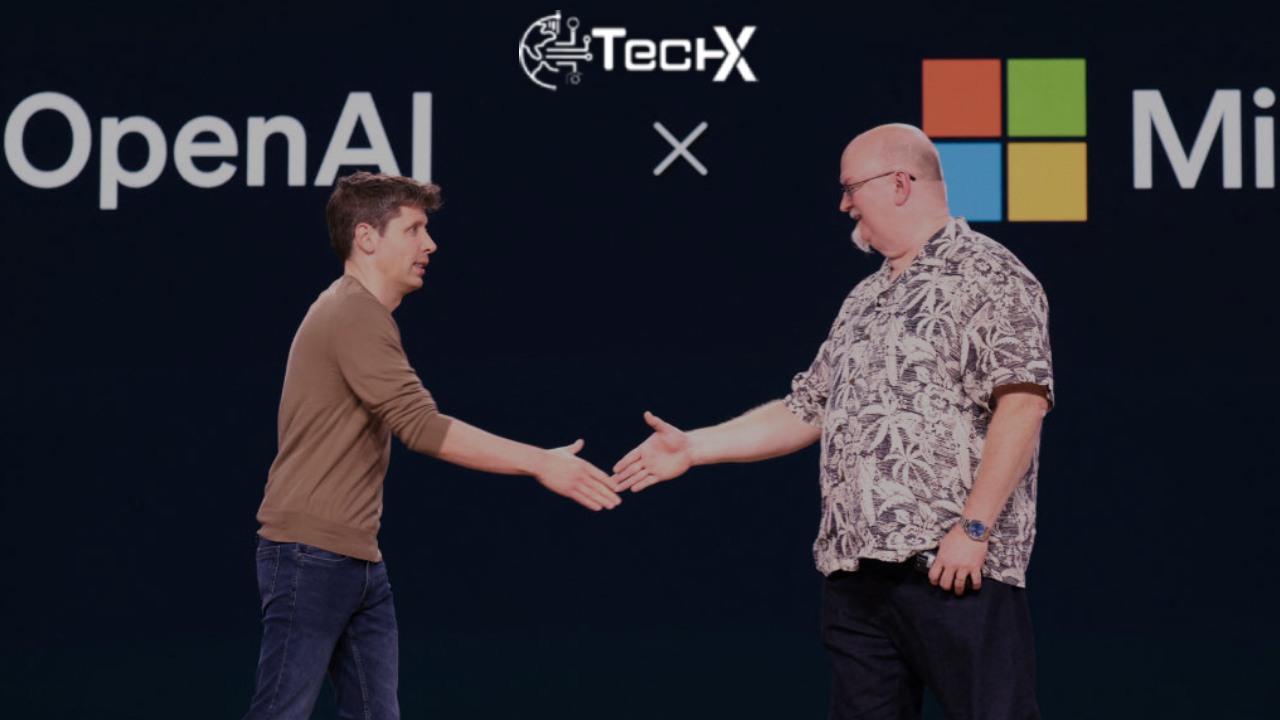
The Microsoft–OpenAI partnership is undergoing significant renegotiations, focusing on corporate restructuring and future AI technology access. OpenAI recently revised its strategy, transitioning into a for-profit public benefit corporation while keeping nonprofit board control. Microsoft, a key investor with $13 billion committed, must approve these changes, making its stance crucial for the restructuring’s success.
Equity and Access at the Core
Central to the discussions is Microsoft’s equity stake in OpenAI’s new for-profit division. The tech giant may relinquish some existing shares in exchange for prolonged access to OpenAI’s AI advancements beyond 2030. This move highlights Microsoft’s strategic interest in securing long-term benefits from OpenAI’s innovations, ensuring it remains competitive in the rapidly evolving AI landscape.
Tensions Over Competing Interests
The negotiations face complications as OpenAI’s expanding enterprise business and Stargate project increase its competition with Microsoft. While Microsoft relies on OpenAI’s models for its AI services, OpenAI’s independent ambitions create friction. Balancing collaboration with competition is a delicate task, requiring careful restructuring to align both companies’ goals without stifling innovation.
Also Read: Skype is Officially Dead After 20 Years of Service
Microsoft’s Strategic Position
Microsoft’s $13 billion investment underscores its reliance on OpenAI’s cutting-edge AI capabilities. However, as OpenAI grows more self-sufficient, Microsoft seeks to safeguard its interests. Extending technology access beyond 2030 would ensure Microsoft retains a competitive edge, especially as AI becomes integral across industries. The renegotiation reflects Microsoft’s proactive approach to maintaining influence in the AI sector.
OpenAI’s Evolving Business Model
OpenAI’s shift to a for-profit public benefit corporation marks a pivotal change. While it aims to scale commercially, its nonprofit board ensures ethical oversight. This hybrid model seeks to balance profitability with mission-driven AI development. Microsoft’s approval is vital, as its financial backing and cloud infrastructure support OpenAI’s growth, making mutual agreement essential for future progress.
The Stargate Project’s Impact
OpenAI’s Stargate, a massive AI infrastructure initiative, further complicates negotiations. The project positions OpenAI as a formidable competitor, potentially reducing its reliance on Microsoft’s Azure cloud services. This shift could strain their partnership, necessitating revised terms that accommodate OpenAI’s autonomy while preserving Microsoft’s strategic benefits from the collaboration.
Future of AI Collaboration
The Microsoft-OpenAI renegotiation could set a precedent for AI industry partnerships. As AI firms grow, balancing independence with investor interests will be critical. The outcome will influence how tech giants and AI startups structure alliances, ensuring both innovation and commercial viability. A successful agreement could reinforce their leadership in AI, while failure might reshape the competitive landscape.
Conclusion: A Defining Moment
The Microsoft-OpenAI partnership stands at a crossroads. With equity, technology access, and competition at stake, the renegotiation will shape both companies’ futures. A balanced agreement could strengthen collaboration, while misalignment might spur rivalry. As AI continues transforming industries, this deal will be a benchmark for how major players navigate cooperation and competition in the age of artificial intelligence.