

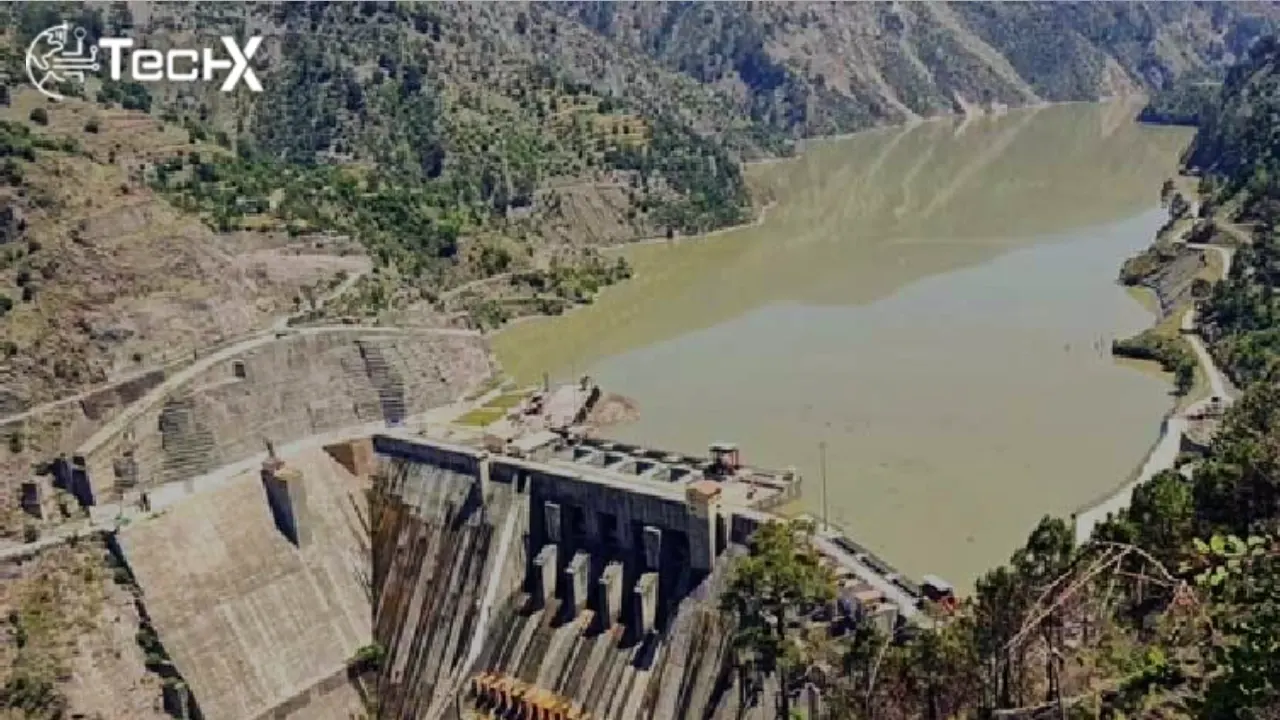
India has stopped water flow to Pakistan from the Baglihar dam on the Chenab River. The move follows its decision to restrict water sharing under the Indus Water Treaty (IWT). Officials confirmed that sluice gates were closed after de-silting operations, reducing downstream flow by up to 90%. Similar measures are planned for the Kishanganga dam on the Jhelum River.
Pakistan’s Missile Test Triggers Response
India’s decision came hours after Pakistan tested a surface-to-surface ballistic missile. The government also banned Pakistani-flagged ships from Indian ports. These actions signal escalating tensions between the two nations. The water blockade is seen as a strategic response, leveraging India’s control over rivers flowing into Pakistan under the IWT framework.
Maintenance Work Disrupts Water Supply
Officials stated that Baglihar’s reservoir needed refilling after de-silting, necessitating gate closures. Kishanganga dam will soon undergo similar maintenance, halting downstream flow. Pakistan has previously objected to both dams’ designs, claiming violations of the IWT. India, however, asserts its right to utilize water resources within treaty provisions.
Also Read: Pakistan Bans IPL 2025 Streaming Following India’s PSL Ban
Indus Water Treaty Suspended
India paused the IWT after terrorists killed tourists in Kashmir’s Pahalgam on April 22. The treaty, already strained by disputes, allows India control over eastern rivers (Ravi, Beas, Sutlej) while Pakistan gets western rivers (Indus, Chenab, Jhelum). Officials confirmed exploring ways to maximize water usage for Indian citizens following the suspension.
Plans to Boost Water Supply to Northern States
The Jal Shakti Ministry updated the Home Ministry on measures to enhance water supply from Indus rivers to northern states. Nearly 50 NHPC engineers are overseeing operations in Jammu & Kashmir. India aims to optimize water usage for domestic needs, reducing dependency on shared resources.
Hydropower Projects to Strengthen India’s Control
India is advancing four hydropower projects on the Chenab and its tributaries—Pakal Dul (1,000 MW), Kiru (624 MW), Kwar (540 MW), and Ratle (850 MW). These projects, set for completion by 2027-28, will generate 10,541 million units annually. Progress ranges from 19% (Kwar) to 66% (Pakal Dul).
Pakistan’s Objections and Inspections
Pakistan protested against Ratle and Kishanganga projects, alleging IWT violations. In June 2024, a Pakistani delegation and a World Bank-appointed neutral expert inspected the Ratle project. India maintains that these projects comply with treaty provisions while enhancing energy security.
Jammu & Kashmir’s Untapped Hydropower Potential
J&K has an estimated 18,000 MW hydropower potential, with 11,283 MW in the Chenab basin. Only 23.81% has been harnessed so far. The new projects aim to boost renewable energy output, reducing reliance on fossil fuels and strengthening regional infrastructure.
Strategic Implications of Water Control
India’s water blockade underscores its strategic leverage over Pakistan. By controlling river flows, India can exert pressure amid diplomatic tensions. The move aligns with broader efforts to prioritize national interests while challenging Pakistan’s water dependency.
Conclusion
India’s decision to restrict water flow marks a significant shift in Indus water management. With hydropower projects progressing and treaty terms under review, India is asserting greater control over shared resources. The developments highlight water as a critical geopolitical tool in India-Pakistan relations.