


If you ask ChatGPT to propose spots in Mallorca that aren’t yet overwhelmed by tourists, it will recommend well-known sights and traditional cafes that appear in every travel guide.
The chatbot recommends seeing Palma’s cathedral, the popular and attractive town of Soller, and the centuries-old ice cream parlour Ca’n Joan des’Aigo.
In other words, if you’re looking for off-the-beaten-path jewels, don’t rely on ChatGPT.
According to ChatGPT:
When it comes to insider tips, it usually comes down to personal preferences and experiences that I don’t have as an AI model. If you need more specific and personalized recommendations, my advice is to consult local guides or locals who can give you insider tips.
There is no silver bullet
ChatGPT, on the other hand, shines at simpler, more straightforward enquiries.
When asked how to get to Placa d’Espanya Square in Palma’s centre via bus, the chatbot responds quickly and accurately. Similarly, asking ChatGPT about sobrasada, a classic paprika sausage from Mallorca, yields the same right answer.
The same can be said for my question regarding whether tipping is common on the island – it is, and 10% is regarded pretty generous.
It won’t be long until tourism-specific chatbots guide us through cities,” said Wolfram Höpken, a professor of business informatics at Ravensburg-Weingarten University of Applied Sciences in southern Germany, adding that “the technology is definitely advanced enough.” Not only that, “AI applications are already being used quite extensively in other areas of tourism.
Here are four ways it will change civilization:
AI is Already Widespread
Artificial intelligence is mostly used today to optimize company operations, though travelers will not always be aware of this. Airlines, for example, use AI to predict how many passengers will cancel or forfeit their flights.
Other companies rely on such technology to detect fraudulent online bookings. In Venice, it’s even being used for crowd control.

“There already are AI applications used by travelers, service providers, tourist destinations, and online travel platforms,” said Höpken.
Holidaymakers or people simply planning vacations might have encountered systems in other contexts, too.
Often, these days, contacting a large tour operator will likely put you in touch with an online chatbot, as opposed to a real person.
Then there are intelligent systems, which are used by hotel booking platforms, for example, to present clients with offers that are personalised to their unique needs and interests.
Last but not least, robots are gradually taking over activities previously performed by hotel and restaurant personnel.
The Nakoyashi restaurant in Cologne has a bot
However, robots that gather dirty dishes from restaurant tables and transport them to the kitchen are not very smart. According to Höpken, such robots cannot explore restaurants automatically.
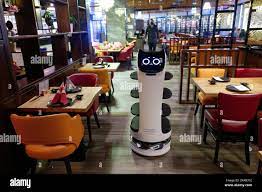
Aside from that, not all patrons may want to interact with automatons. As a result, the applications will be deployed in some sections of the tourism commerce and hospitality sector but not others, according to the professor.
Don’t rely on ChatGPT blindly
Höpken believes that technology like ChatGPT will become increasingly significant. Inaccurate or erroneous chatbot responses are usually less significant or harmful than in other professions, particularly when it comes to tourist enquiries.
ChatGPT itself does not seem to think it will be taking over any time soon: “Although I can be useful as a digital assistant, I don’t think I can build on the experience and opinions that travel guides and locals offer.”
Anyone who follows ChatGPT’s recommendation to visit Mallorca’s Marivent Palace — the royal family’s vacation retreat — on the outskirts of Palma, for example, will be disappointed because the building is not open to the public. It remains to be seen whether chatbots will truly replace trusted guidebooks or human trip advisers.
To read our blog on “How To make ChatGPT a Siri Shortcut on iPhone or iPad,” click here