
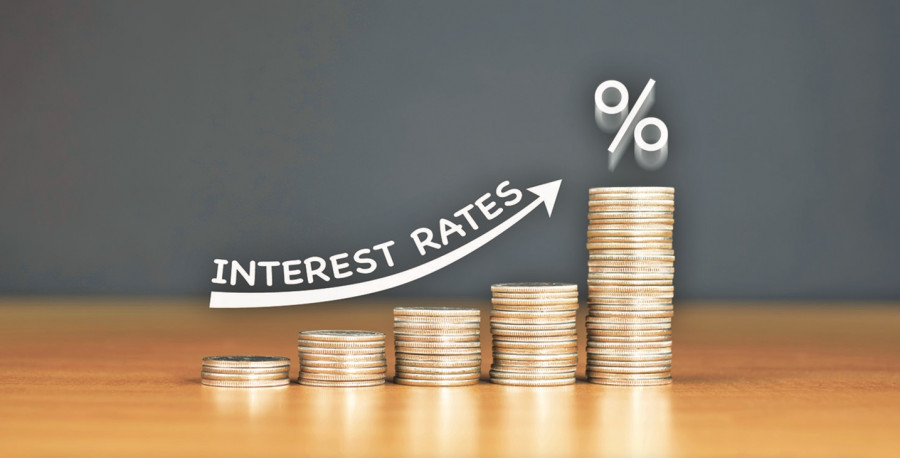
Pakistan agreed on Saturday before the International Monetary Fund (IMF) to raise the policy rate by 2% as one of the requirements to secure the Fund’s bailout package, as the economic crisis in Pakistan worsens with depleting foreign currency reserves that are now barely enough to pay for three weeks’ worth of imports.
According to sources with knowledge of the situation, virtual conversations with the IMF went on until late at night, and representatives from the international lender were “painstakingly reviewing” every detail.
Increase In Policy Rate
According to the sources, Pakistan has consented to increase its policy rate by 2%. It is currently at 17%.
The sources further stated that the details of the power sector changes are being finalized and that a staff-level agreement (SLA) will be signed following the settlement.
The power sector has continued to be a problem since it has turned into one of the key points of contention between Pakistan and the IMF.
According to the sources, Pakistan has also given the lender a thorough briefing on its foreign financing up to June.
According to the sources, the IMF is also holding discussions with those nations to obtain assurances. The political climate in Pakistan is not being discussed, they continued.
Talks with IMF
Since early February, Pakistani authorities and the IMF have been in talks about policy framework issues. They hope to reach a staff-level agreement that will open the door for further funding from other bilateral and multilateral lenders.
The lender will release a tranche of more than $1 billion from the $6.5 billion bailout arrangement agreed to in 2019 once the agreement is completed.
Pakistan has previously implemented a number of steps, such as switching to a market-based exchange rate, raising fuel and electricity prices, eliminating subsidies, and increasing taxation to raise money to close the fiscal deficit.
The tight measures could cause the inflation, which was 27.50% in January, to increase and the economy to further contract.
The South Asian nation’s economy has been in disarray and is in in need of outside funding; its foreign exchange reserves have dropped to only $3 billion, which is hardly enough to cover three weeks’ worth of imports.
To read our blog on “Interest rate may raise by SBP to 19% because of IMF,” click here.