

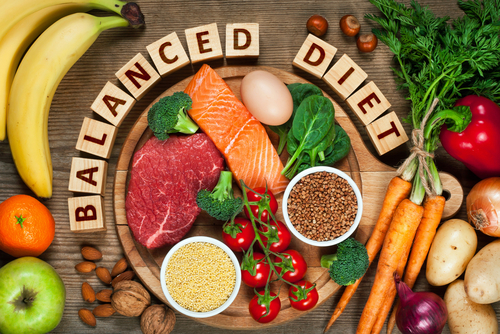
Diabetes comes in many forms, and no two diabetics are alike. As a result, it is often difficult to specify or generalize about the best diet for a diabetic.
However, there are some general dietary tips you can use to help you make healthier choices that will have an inherently positive impact on your overall health and condition.
- Consume More Healthful Carbohydrates
Carbohydrates have a significant impact on your blood glucose levels. As a result, it is critical to determine which foods contain healthy carbs. When eating foods that are high in carbohydrates, you should be mindful of the size of your portion.
Fruit, vegetables, whole grains, unsweetened yogurt, and milk are all examples of healthier carbohydrates.
White bread, for example, is high in fiber and should be avoided or limited.
White rice is also regarded as a highly processed cereal. If you are unsure, always read food labels before purchasing carbohydrate-containing foods.
- Reduce your use of salt
Reducing your salt intake can significantly raise your risk of developing high blood pressure, which in turn raises your risk of developing heart disease.
When you are diagnosed with diabetes, you are at a higher risk of developing these conditions. As a result, it is critical that you reduce your salt intake.
It’s a good idea to limit your salt intake to no more than one teaspoon per day. However, you should also carefully read food labels before consuming food products, as many food products already contain a lot of salt.
Cooking from scratch allows you to control how much salt you consume. You can always substitute salt for other spices to give your food a kick.
- Consume Less Processed Meat
If you are reducing your carbohydrate intake, you may be tempted to eat more meat in order to properly fill your stomach. However, if you have diabetes, you should avoid replacing carbs with red or processed meat.
This is due to the fact that these meats have been linked to heart disease and cancer. As a result, replace these meats with fish, pulses, eggs, turkey, and unsalted nuts.
Fiber is abundant in lentils, peas, and beans. They also have no negative impact on your blood glucose levels, making them an excellent substitute for red meat. Oily fish such as mackerel and salmon are also excellent substitutes for red meat.
These fish are also high in omega-3 oil, which has been shown to protect the heart. If you have diabetes, you should try to eat two portions of oily fish per week.
- Eat more fruits and vegetables
Consuming plenty of fruits and vegetables is always a good idea. This is because fruits and vegetables are high in vitamins, fiber, and minerals, which help your body and keep you healthy.
You may be wondering if you should avoid fruit due to its high sugar content. The answer is that whole fruit is good for you whether you have diabetes or not. This is because fruit contains natural sugar, which is very different from the sugar found in cookies and cakes.
It is always preferable to consume whole fruits rather than fruit juices because fruit juices contain added sugar. Eat whole fruits in small portions throughout the day rather than in large quantities.
- Select healthy fats
We get our energy from fat. Different types of fat, however, have different effects on the body. Foods with healthier fats include seeds, avocados, oily fish, olive oil, sunflower oil, and unsalted nuts.
Saturated fats are far less healthy for your body because they raise your cholesterol levels, which increases your risk of developing heart disease. Saturated fats are commonly found in butter, biscuits, pies, pastries, ghee, and processed meat products.
It is strongly advised that you use less oil when cooking. Instead of frying your food, you should grill, steam, or bake it.
To read our blog on “Study finds that coffee, especially ground and caffeinated coffee, reduces the risk of cardiac issues and early mortality,” click here